19
20
20
Cameras in the Courtroom Act
7/10/2026, 3:21 PM
Summary of Bill S 1146
Bill 119 s 1146, also known as the "Televising Supreme Court Proceedings Act," is a proposed piece of legislation that aims to allow for the televising of Supreme Court proceedings. The bill seeks to increase transparency and accessibility to the highest court in the United States by allowing the public to view oral arguments and other proceedings through televised broadcasts.
If passed, the bill would require the Supreme Court to permit the televising of all open sessions, including oral arguments and the announcement of opinions. The bill also includes provisions to ensure that the televising of proceedings does not interfere with the administration of justice or compromise the integrity of the court.
Supporters of the bill argue that televising Supreme Court proceedings would provide the public with a better understanding of the judicial process and increase accountability of the court. They believe that allowing the public to view proceedings would promote transparency and trust in the judicial system. Opponents of the bill, however, raise concerns about the potential negative impact of televising Supreme Court proceedings. They argue that televising proceedings could lead to sensationalism, distortions of the legal process, and compromise the impartiality of the court. Overall, Bill 119 s 1146 is a controversial piece of legislation that seeks to increase transparency and accessibility to the Supreme Court through televised broadcasts. The bill has sparked debate among lawmakers, legal experts, and the public about the potential benefits and drawbacks of televising Supreme Court proceedings.
If passed, the bill would require the Supreme Court to permit the televising of all open sessions, including oral arguments and the announcement of opinions. The bill also includes provisions to ensure that the televising of proceedings does not interfere with the administration of justice or compromise the integrity of the court.
Supporters of the bill argue that televising Supreme Court proceedings would provide the public with a better understanding of the judicial process and increase accountability of the court. They believe that allowing the public to view proceedings would promote transparency and trust in the judicial system. Opponents of the bill, however, raise concerns about the potential negative impact of televising Supreme Court proceedings. They argue that televising proceedings could lead to sensationalism, distortions of the legal process, and compromise the impartiality of the court. Overall, Bill 119 s 1146 is a controversial piece of legislation that seeks to increase transparency and accessibility to the Supreme Court through televised broadcasts. The bill has sparked debate among lawmakers, legal experts, and the public about the potential benefits and drawbacks of televising Supreme Court proceedings.
Congressional Summary of S 1146
Cameras in the Courtroom Act
This bill requires the Supreme Court to permit television coverage of all open sessions of the Court unless it decides by majority vote that allowing such coverage in a particular case would violate the due process rights of any of the parties before the Court.
Read the Full Bill
Current Status of Bill S 1146
Bill S 1146 is currently in the status of Bill Introduced since March 26, 2025. Bill S 1146 was introduced during Congress 119 and was introduced to the Senate on March 26, 2025. Bill S 1146's most recent activity was Placed on Senate Legislative Calendar under General Orders. Calendar No. 445. as of June 23, 2026
Bipartisan Support of Bill S 1146
Total Number of Sponsors
1Democrat Sponsors
1Republican Sponsors
0Unaffiliated Sponsors
0Total Number of Cosponsors
3Democrat Cosponsors
2Republican Cosponsors
1Unaffiliated Cosponsors
0Policy Area and Potential Impact of Bill S 1146
Primary Policy Focus
LawPotential Impact Areas
- Broadcasting, cable, digital technologies
- Due process and equal protection
- Judicial procedure and administration
- Supreme Court
- Television and film
Alternate Title(s) of Bill S 1146
A bill to permit the televising of Supreme Court proceedings.
A bill to permit the televising of Supreme Court proceedings.
Comments

Ocean Epstein
1,064
2 months ago
This bill is a disaster.
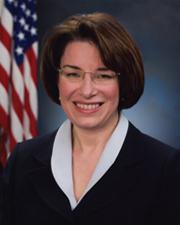
Sponsors and Cosponsors of S 1146



Latest Bills
TRAPS Act
Bill HR 4936September 18, 2026
Apples to Apples Comparison Act of 2025
Bill HR 4093September 18, 2026
American Lending Fairness Act of 2026
Bill HR 7866September 18, 2026
Civil Investigative Demand Reform Act of 2025
Bill HR 1653September 18, 2026
American Reserve Modernization Act of 2026
Bill HR 8957September 18, 2026
Preventive Health Savings Act
Bill HR 4464September 18, 2026
PEARL Act
Bill HR 9327September 18, 2026
Medically Tailored Home-Delivered Meals Program Pilot Act
Bill HR 5439September 18, 2026
To designate the facility of the United States Postal Service located at 117 West Lovett Street in Charlotte, Michigan, as the "Francis C. Flaherty Post Office Building".
Bill HR 9570September 18, 2026
To designate the facility of the United States Postal Service located at 1019 Avenue H in Fort Madison, Iowa, as the "Martin L. Graber Post Office".
Bill HR 4707September 18, 2026
Cameras in the Courtroom Act
Bill HR 2361April 11, 2025