4
3
3
Paycheck Fairness Act
4/21/2025, 12:24 PM
Summary of Bill S 1115
Bill 119 s 1115, also known as the Paycheck Fairness Act, aims to amend the Fair Labor Standards Act of 1938 in order to provide better remedies for individuals who have experienced discrimination in their wages based on their gender. The bill seeks to address the gender pay gap by ensuring that employees are paid fairly and equally for their work, regardless of their gender.
Specifically, the Paycheck Fairness Act would require employers to prove that any pay disparities between male and female employees are based on legitimate factors such as education, experience, or performance, rather than gender. It would also prohibit employers from retaliating against employees who discuss or inquire about their wages, in an effort to promote transparency and accountability in pay practices.
Additionally, the bill would enhance the enforcement mechanisms available to individuals who have experienced wage discrimination. It would allow for the recovery of compensatory and punitive damages in cases of wage discrimination, as well as strengthen the ability of the Equal Employment Opportunity Commission to investigate and enforce violations of the law. Overall, the Paycheck Fairness Act seeks to address the systemic issue of gender-based wage discrimination and provide more effective remedies for victims of such discrimination. By promoting equal pay for equal work, the bill aims to create a more fair and equitable workplace for all employees.
Specifically, the Paycheck Fairness Act would require employers to prove that any pay disparities between male and female employees are based on legitimate factors such as education, experience, or performance, rather than gender. It would also prohibit employers from retaliating against employees who discuss or inquire about their wages, in an effort to promote transparency and accountability in pay practices.
Additionally, the bill would enhance the enforcement mechanisms available to individuals who have experienced wage discrimination. It would allow for the recovery of compensatory and punitive damages in cases of wage discrimination, as well as strengthen the ability of the Equal Employment Opportunity Commission to investigate and enforce violations of the law. Overall, the Paycheck Fairness Act seeks to address the systemic issue of gender-based wage discrimination and provide more effective remedies for victims of such discrimination. By promoting equal pay for equal work, the bill aims to create a more fair and equitable workplace for all employees.
Current Status of Bill S 1115
Bill S 1115 is currently in the status of Bill Introduced since March 25, 2025. Bill S 1115 was introduced during Congress 119 and was introduced to the Senate on March 25, 2025. Bill S 1115's most recent activity was Read twice and referred to the Committee on Health, Education, Labor, and Pensions. as of March 25, 2025
Bipartisan Support of Bill S 1115
Total Number of Sponsors
5Democrat Sponsors
5Republican Sponsors
0Unaffiliated Sponsors
0Total Number of Cosponsors
0Democrat Cosponsors
0Republican Cosponsors
0Unaffiliated Cosponsors
0Policy Area and Potential Impact of Bill S 1115
Primary Policy Focus
Labor and EmploymentAlternate Title(s) of Bill S 1115
A bill to amend the Fair Labor Standards Act of 1938 to provide more effective remedies to victims of discrimination in the payment of wages on the basis of sex, and for other purposes.
A bill to amend the Fair Labor Standards Act of 1938 to provide more effective remedies to victims of discrimination in the payment of wages on the basis of sex, and for other purposes.
Comments
Sponsors and Cosponsors of S 1115
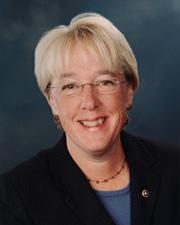
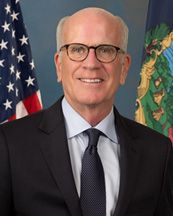

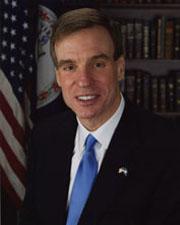

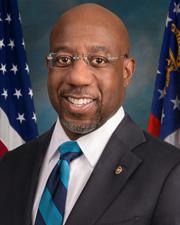
Latest Bills
TRAPS Act
Bill HR 4936September 18, 2026
Apples to Apples Comparison Act of 2025
Bill HR 4093September 18, 2026
American Lending Fairness Act of 2026
Bill HR 7866September 18, 2026
Civil Investigative Demand Reform Act of 2025
Bill HR 1653September 18, 2026
American Reserve Modernization Act of 2026
Bill HR 8957September 18, 2026
Preventive Health Savings Act
Bill HR 4464September 18, 2026
PEARL Act
Bill HR 9327September 18, 2026
Medically Tailored Home-Delivered Meals Program Pilot Act
Bill HR 5439September 18, 2026
To designate the facility of the United States Postal Service located at 117 West Lovett Street in Charlotte, Michigan, as the "Francis C. Flaherty Post Office Building".
Bill HR 9570September 18, 2026
To designate the facility of the United States Postal Service located at 1019 Avenue H in Fort Madison, Iowa, as the "Martin L. Graber Post Office".
Bill HR 4707September 18, 2026
Salary History Question Prohibition Act
Bill HR 2219April 6, 2025