0
0
0
Federal Initiative to Guarantee Health by Targeting Fentanyl Act
3/5/2025, 10:08 AM
Summary of Bill HR 920
Bill 119 hr 920, also known as the Fentanyl Scheduling Act, aims to make fentanyl-related substances classified as schedule I controlled substances under the Controlled Substances Act. This means that these substances would be considered highly dangerous and have a high potential for abuse, with no accepted medical use.
The bill seeks to address the growing crisis of fentanyl-related overdoses and deaths in the United States. Fentanyl is a powerful synthetic opioid that is 50 to 100 times more potent than morphine and has been responsible for a significant increase in overdose deaths in recent years.
By classifying fentanyl-related substances as schedule I controlled substances, the bill aims to restrict their availability and reduce the likelihood of misuse and abuse. This classification would also make it easier for law enforcement to crack down on the illicit production and distribution of these dangerous substances. In addition to scheduling fentanyl-related substances, the bill also includes provisions for other purposes related to combating the opioid crisis. These may include increased funding for addiction treatment programs, enhanced penalties for trafficking fentanyl, and improved access to naloxone, a medication used to reverse opioid overdoses. Overall, the Fentanyl Scheduling Act is a crucial piece of legislation aimed at addressing the devastating impact of fentanyl-related substances on communities across the United States. By taking proactive measures to classify these substances as schedule I controlled substances, the bill seeks to protect public health and safety and prevent further loss of life due to opioid overdoses.
The bill seeks to address the growing crisis of fentanyl-related overdoses and deaths in the United States. Fentanyl is a powerful synthetic opioid that is 50 to 100 times more potent than morphine and has been responsible for a significant increase in overdose deaths in recent years.
By classifying fentanyl-related substances as schedule I controlled substances, the bill aims to restrict their availability and reduce the likelihood of misuse and abuse. This classification would also make it easier for law enforcement to crack down on the illicit production and distribution of these dangerous substances. In addition to scheduling fentanyl-related substances, the bill also includes provisions for other purposes related to combating the opioid crisis. These may include increased funding for addiction treatment programs, enhanced penalties for trafficking fentanyl, and improved access to naloxone, a medication used to reverse opioid overdoses. Overall, the Fentanyl Scheduling Act is a crucial piece of legislation aimed at addressing the devastating impact of fentanyl-related substances on communities across the United States. By taking proactive measures to classify these substances as schedule I controlled substances, the bill seeks to protect public health and safety and prevent further loss of life due to opioid overdoses.
Congressional Summary of HR 920
Federal Initiative to Guarantee Health by Targeting Fentanyl Act
This bill places fentanyl-related substances as a class into schedule I of the Controlled Substances Act. A schedule I controlled substance is a drug, substance, or chemical that has a high potential for abuse; has no currently accepted medical value; and is subject to regulatory controls and administrative, civil, and criminal penalties under the Controlled Substances Act.
Additionally, the bill prohibits the application of a mandatory minimum prison term for certain drug offenses involving fentanyl-related substances.
Current Status of Bill HR 920
Bill HR 920 is currently in the status of Bill Introduced since February 4, 2025. Bill HR 920 was introduced during Congress 119 and was introduced to the House on February 4, 2025. Bill HR 920's most recent activity was Referred to the Committee on Energy and Commerce, and in addition to the Committee on the Judiciary, for a period to be subsequently determined by the Speaker, in each case for consideration of such provisions as fall within the jurisdiction of the committee concerned. as of February 4, 2025
Bipartisan Support of Bill HR 920
Total Number of Sponsors
1Democrat Sponsors
0Republican Sponsors
1Unaffiliated Sponsors
0Total Number of Cosponsors
1Democrat Cosponsors
1Republican Cosponsors
0Unaffiliated Cosponsors
0Policy Area and Potential Impact of Bill HR 920
Primary Policy Focus
Alternate Title(s) of Bill HR 920
To amend the Controlled Substances Act to list fentanyl-related substances as schedule I controlled substances, and for other purposes.
To amend the Controlled Substances Act to list fentanyl-related substances as schedule I controlled substances, and for other purposes.
Comments
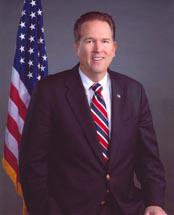
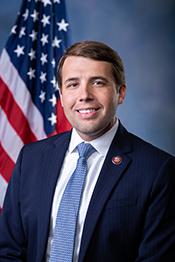
Sponsors and Cosponsors of HR 920
Latest Bills
TRAPS Act
Bill HR 4936September 18, 2026
Apples to Apples Comparison Act of 2025
Bill HR 4093September 18, 2026
American Lending Fairness Act of 2026
Bill HR 7866September 18, 2026
Civil Investigative Demand Reform Act of 2025
Bill HR 1653September 18, 2026
American Reserve Modernization Act of 2026
Bill HR 8957September 18, 2026
Preventive Health Savings Act
Bill HR 4464September 18, 2026
PEARL Act
Bill HR 9327September 18, 2026
Medically Tailored Home-Delivered Meals Program Pilot Act
Bill HR 5439September 18, 2026
To designate the facility of the United States Postal Service located at 117 West Lovett Street in Charlotte, Michigan, as the "Francis C. Flaherty Post Office Building".
Bill HR 9570September 18, 2026
To designate the facility of the United States Postal Service located at 1019 Avenue H in Fort Madison, Iowa, as the "Martin L. Graber Post Office".
Bill HR 4707September 18, 2026