0
0
0
To amend title 18, United States Code, to prohibit the unlawful disposal of fetal remains.
1/24/2025, 9:20 AM
Summary of Bill HR 686
Bill 119 HR 686, also known as the Unlawful Disposal of Fetal Remains Act, aims to amend title 18 of the United States Code to prohibit the improper disposal of fetal remains. The bill seeks to address the issue of fetal remains being discarded inappropriately, whether through improper disposal methods or for malicious purposes.
The legislation is designed to ensure that fetal remains are treated with dignity and respect, regardless of the circumstances surrounding their disposal. By prohibiting the unlawful disposal of fetal remains, the bill aims to protect the rights of the unborn and uphold the sanctity of life.
If passed, the Unlawful Disposal of Fetal Remains Act would establish penalties for individuals or entities found guilty of unlawfully disposing of fetal remains. These penalties could include fines, imprisonment, or other forms of punishment as determined by the court. Overall, Bill 119 HR 686 seeks to address a sensitive and important issue surrounding the proper treatment of fetal remains. By prohibiting their unlawful disposal, the legislation aims to uphold ethical standards and ensure that the rights of the unborn are respected.
The legislation is designed to ensure that fetal remains are treated with dignity and respect, regardless of the circumstances surrounding their disposal. By prohibiting the unlawful disposal of fetal remains, the bill aims to protect the rights of the unborn and uphold the sanctity of life.
If passed, the Unlawful Disposal of Fetal Remains Act would establish penalties for individuals or entities found guilty of unlawfully disposing of fetal remains. These penalties could include fines, imprisonment, or other forms of punishment as determined by the court. Overall, Bill 119 HR 686 seeks to address a sensitive and important issue surrounding the proper treatment of fetal remains. By prohibiting their unlawful disposal, the legislation aims to uphold ethical standards and ensure that the rights of the unborn are respected.
Congressional Summary of HR 686
Protecting the Dignity of Unborn Children Act of 2025
This bill establishes a new federal criminal offense for recklessly disposing of or abandoning fetal remains in a landfill or in any navigable waters of the United States.
The term fetal remains means any part (except a cremated part) of a deceased human fetus following an abortion.
A violator is subject to a fine, up to three years in prison, or both.
Current Status of Bill HR 686
Bill HR 686 is currently in the status of Bill Introduced since January 23, 2025. Bill HR 686 was introduced during Congress 119 and was introduced to the House on January 23, 2025. Bill HR 686's most recent activity was Referred to the House Committee on the Judiciary. as of January 23, 2025
Bipartisan Support of Bill HR 686
Total Number of Sponsors
1Democrat Sponsors
0Republican Sponsors
1Unaffiliated Sponsors
0Total Number of Cosponsors
5Democrat Cosponsors
0Republican Cosponsors
5Unaffiliated Cosponsors
0Policy Area and Potential Impact of Bill HR 686
Primary Policy Focus
Alternate Title(s) of Bill HR 686
To amend title 18, United States Code, to prohibit the unlawful disposal of fetal remains.
To amend title 18, United States Code, to prohibit the unlawful disposal of fetal remains.
Comments
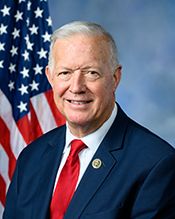
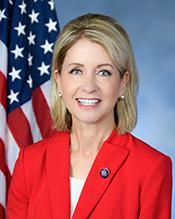
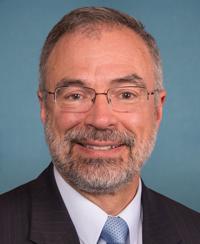
Sponsors and Cosponsors of HR 686



Latest Bills
TRAPS Act
Bill HR 4936September 18, 2026
Apples to Apples Comparison Act of 2025
Bill HR 4093September 18, 2026
American Lending Fairness Act of 2026
Bill HR 7866September 18, 2026
Civil Investigative Demand Reform Act of 2025
Bill HR 1653September 18, 2026
American Reserve Modernization Act of 2026
Bill HR 8957September 18, 2026
Preventive Health Savings Act
Bill HR 4464September 18, 2026
PEARL Act
Bill HR 9327September 18, 2026
Medically Tailored Home-Delivered Meals Program Pilot Act
Bill HR 5439September 18, 2026
To designate the facility of the United States Postal Service located at 117 West Lovett Street in Charlotte, Michigan, as the "Francis C. Flaherty Post Office Building".
Bill HR 9570September 18, 2026
To designate the facility of the United States Postal Service located at 1019 Avenue H in Fort Madison, Iowa, as the "Martin L. Graber Post Office".
Bill HR 4707September 18, 2026