0
0

To amend the Harmful Algal Bloom and Hypoxia Research and Control Act of 1998 to address harmful algal blooms, and for other purposes.

1/24/2025, 9:20 AM

Summary of Bill HR 644

Bill 119 hr 644, also known as the Harmful Algal Bloom and Hypoxia Research and Control Act of 1998, aims to amend the existing legislation to better address harmful algal blooms and hypoxia.

Harmful algal blooms are a phenomenon where algae grow rapidly and produce toxins that can harm marine life and humans. Hypoxia, on the other hand, is a condition where there is a deficiency of oxygen in water bodies, leading to the death of aquatic organisms.

The bill seeks to improve research and monitoring efforts related to harmful algal blooms and hypoxia. It also aims to enhance coordination among federal agencies, state governments, and other stakeholders to better address these environmental issues. Additionally, the bill includes provisions to support the development of technologies and strategies to prevent and mitigate harmful algal blooms and hypoxia. It also calls for increased public education and outreach efforts to raise awareness about these issues and their impacts on the environment and public health. Overall, Bill 119 hr 644 is a comprehensive effort to address harmful algal blooms and hypoxia through research, coordination, and prevention strategies.

Congressional Summary of HR 644

Harmful Algal Bloom and Hypoxia Research and Control Amendments Act of 2025

This bill extends through FY2030 and modifies the Harmful Algal Bloom and Hypoxia Research and Control Act to address algal blooms and hypoxia (deficiency of oxygen) in U.S. marine, estuarine, and freshwater systems. Harmful algal blooms are high concentrations of algae that may create nuisance or toxic conditions that are harmful to humans, animals, aquatic ecosystems, and the economy.

The bill directs the Inter-Agency Task Force on Harmful Algal Blooms and Hypoxia to submit to Congress an action strategy for harmful algal blooms at least once every five years. The bill also expands the task force's membership to include the Department of Energy.

The bill also expands the duties of the National Oceanic and Atmospheric Administration (NOAA) under the National Harmful Algal Bloom and Hypoxia program. NOAA must also carry out a variety of activities related to monitoring, predicting, preventing, mitigating, and responding to marine, coastal, and Great Lakes harmful algal bloom and hypoxia events. For example, NOAA must establish (1) a national network of observing systems for monitoring, detecting, and forecasting harmful algal blooms; and (2) a national-level incubator program to increase the number of strategies, technologies, and measures available to prevent, mitigate, and control harmful algal blooms.

Additionally, the Environmental Protection Agency must develop and enhance operational freshwater harmful algal bloom monitoring, observing, and forecasting programs in lakes, rivers, and reservoirs and carry out other activities related to researching freshwater harmful algal blooms and hypoxia events.
Current Status of Bill HR 644

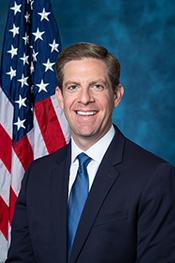
Bill HR 644 is currently in the status of Bill Introduced since January 23, 2025. Bill HR 644 was introduced during Congress 119 and was introduced to the House on January 23, 2025.  Bill HR 644's most recent activity was Referred to the Committee on Science, Space, and Technology, and in addition to the Committee on Natural Resources, for a period to be subsequently determined by the Speaker, in each case for consideration of such provisions as fall within the jurisdiction of the committee concerned. as of January 23, 2025

Bipartisan Support of Bill HR 644

Total Number of Sponsors
1
Democrat Sponsors
1
Republican Sponsors
0
Unaffiliated Sponsors
0
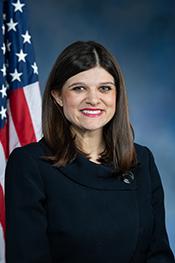
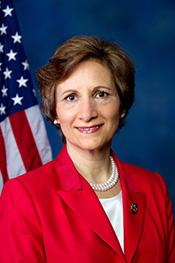
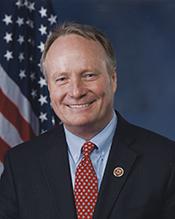
Total Number of Cosponsors
1
Democrat Cosponsors
0
Republican Cosponsors
1
Unaffiliated Cosponsors
0

Policy Area and Potential Impact of Bill HR 644

Primary Policy Focus

Alternate Title(s) of Bill HR 644

To amend the Harmful Algal Bloom and Hypoxia Research and Control Act of 1998 to address harmful algal blooms, and for other purposes.

Comments

Latest Bills

Providing for congressional disapproval under chapter 8 of title 5, United States Code, of the rule submitted by the Bureau of Land Management relating to Public Land Order No. 7917 for Withdrawal of Federal Lands; Cook, Lake, and Saint Louis Counties, MN.
Bill HJRES 140April 16, 2026
A joint resolution providing for congressional disapproval of the proposed foreign military sale to the Government of Israel of certain defense articles and services.
Bill SJRES 138April 16, 2026
A joint resolution providing for congressional disapproval under chapter 8 of title 5, United States Code, of the rule submitted by the Department of Education relating to "William D. Ford Federal Direct Loan (Direct Loan) Program".
Bill SJRES 182April 16, 2026
A resolution commending Taiwan on the 30th anniversary of its first direct presidential election in 1996, and expressing support for Taiwan in the preservation of its democratic institutions.
Bill SRES 657April 16, 2026
A joint resolution to direct the removal of United States Armed Forces from hostilities within or against the Islamic Republic of Iran that have not been authorized by Congress.
Bill SJRES 161April 16, 2026
A bill to amend section 13 of the Federal Trade Commission Act to provide for equitable relief, and for other purposes.
Bill S 4311April 16, 2026
A bill to prohibit the Export-Import Bank of the United States from providing financing to persons with seriously delinquent tax debt.
Bill S 4308April 16, 2026
A bill to amend the Internal Revenue Code of 1986 to repeal the tax credit for contributions of individuals to scholarship granting organizations, and for other purposes.
Bill S 4297April 16, 2026
A resolution supporting the goals and ideals of the 2026 Day of Silence in bringing attention to anti-LGBTQI+ bullying, harassment, discrimination, and other forms of victimization faced by individuals in schools, and calling on communities across the country to take action to demand equal educational opportunity, basic civil rights protections, and freedom from erasure for all students, particularly LGBTQI+ young people, in K-12 schools.
Bill SRES 670April 16, 2026
A resolution expressing the sense of Congress that the United States should prioritize bilateral security partnerships over multilateral security partnerships and institutions.
Bill SRES 672April 16, 2026
Harmful Algal Bloom and Hypoxia Research and Control Amendments Act of 2025
Bill S 93October 1, 2025