0
0
0
To amend the Internal Revenue Code of 1986 to reduce the rate of tax on estates, gifts, and generation-skipping transfers.
1/23/2025, 9:20 AM
Summary of Bill HR 601
Bill 119 HR 601, also known as the Estate Tax Rate Reduction Act, aims to amend the Internal Revenue Code of 1986 in order to lower the tax rate on estates, gifts, and generation-skipping transfers. The bill seeks to reduce the tax burden on individuals who inherit wealth or receive gifts from family members.
If passed, this legislation would result in a decrease in the amount of taxes owed on estates, gifts, and generation-skipping transfers. This could potentially benefit individuals who are recipients of such transfers by allowing them to keep more of the inherited wealth without having to pay as much in taxes.
Supporters of the bill argue that reducing the tax rate on these transfers would encourage economic growth and incentivize individuals to invest and save for future generations. They believe that lower taxes on estates and gifts would ultimately lead to increased wealth accumulation and investment in the economy. Opponents of the bill, however, argue that reducing the tax rate on estates, gifts, and generation-skipping transfers would primarily benefit the wealthy and exacerbate income inequality. They believe that the focus should be on implementing policies that promote economic equality and provide support for lower-income individuals and families. Overall, Bill 119 HR 601 is a contentious piece of legislation that has sparked debate among lawmakers and the public. Its potential impact on the economy and income inequality make it a significant topic of discussion in Congress.
If passed, this legislation would result in a decrease in the amount of taxes owed on estates, gifts, and generation-skipping transfers. This could potentially benefit individuals who are recipients of such transfers by allowing them to keep more of the inherited wealth without having to pay as much in taxes.
Supporters of the bill argue that reducing the tax rate on these transfers would encourage economic growth and incentivize individuals to invest and save for future generations. They believe that lower taxes on estates and gifts would ultimately lead to increased wealth accumulation and investment in the economy. Opponents of the bill, however, argue that reducing the tax rate on estates, gifts, and generation-skipping transfers would primarily benefit the wealthy and exacerbate income inequality. They believe that the focus should be on implementing policies that promote economic equality and provide support for lower-income individuals and families. Overall, Bill 119 HR 601 is a contentious piece of legislation that has sparked debate among lawmakers and the public. Its potential impact on the economy and income inequality make it a significant topic of discussion in Congress.
Current Status of Bill HR 601
Bill HR 601 is currently in the status of Bill Introduced since January 22, 2025. Bill HR 601 was introduced during Congress 119 and was introduced to the House on January 22, 2025. Bill HR 601's most recent activity was Referred to the Committee on Ways and Means, and in addition to the Committee on the Budget, for a period to be subsequently determined by the Speaker, in each case for consideration of such provisions as fall within the jurisdiction of the committee concerned. as of January 22, 2025
Bipartisan Support of Bill HR 601
Total Number of Sponsors
1Democrat Sponsors
0Republican Sponsors
1Unaffiliated Sponsors
0Total Number of Cosponsors
1Democrat Cosponsors
1Republican Cosponsors
0Unaffiliated Cosponsors
0Policy Area and Potential Impact of Bill HR 601
Primary Policy Focus
Alternate Title(s) of Bill HR 601
To amend the Internal Revenue Code of 1986 to reduce the rate of tax on estates, gifts, and generation-skipping transfers.
To amend the Internal Revenue Code of 1986 to reduce the rate of tax on estates, gifts, and generation-skipping transfers.
Comments
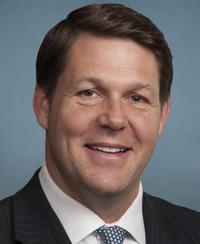
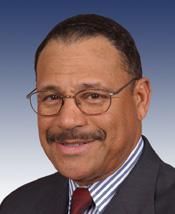
Sponsors and Cosponsors of HR 601
Latest Bills
TRAPS Act
Bill HR 4936September 18, 2026
Apples to Apples Comparison Act of 2025
Bill HR 4093September 18, 2026
American Lending Fairness Act of 2026
Bill HR 7866September 18, 2026
Civil Investigative Demand Reform Act of 2025
Bill HR 1653September 18, 2026
American Reserve Modernization Act of 2026
Bill HR 8957September 18, 2026
Preventive Health Savings Act
Bill HR 4464September 18, 2026
PEARL Act
Bill HR 9327September 18, 2026
Medically Tailored Home-Delivered Meals Program Pilot Act
Bill HR 5439September 18, 2026
To designate the facility of the United States Postal Service located at 117 West Lovett Street in Charlotte, Michigan, as the "Francis C. Flaherty Post Office Building".
Bill HR 9570September 18, 2026
To designate the facility of the United States Postal Service located at 1019 Avenue H in Fort Madison, Iowa, as the "Martin L. Graber Post Office".
Bill HR 4707September 18, 2026