0
0
0
To amend title 28, United States Code, to change the residency requirements for certain officials serving in the District of Columbia, and for other purposes.
1/21/2025, 3:22 PM
Summary of Bill HR 565
Bill 119 HR 565 aims to amend title 28 of the United States Code in order to change the residency requirements for certain officials serving in the District of Columbia. The bill seeks to address the issue of residency requirements for officials working in the nation's capital, potentially allowing for more flexibility in where these individuals can live while still serving in their roles.
The specific changes to the residency requirements outlined in the bill are not explicitly stated in the summary, but it is clear that the goal is to provide some level of flexibility for officials serving in the District of Columbia. Additionally, the bill states that it is intended for "other purposes," suggesting that there may be additional provisions or changes included in the legislation beyond just the residency requirements.
Overall, Bill 119 HR 565 appears to be focused on addressing residency requirements for officials serving in the District of Columbia, potentially allowing for more flexibility in where these individuals can live while still fulfilling their duties. The bill does not appear to be overtly partisan in nature, but rather seeks to make practical changes to existing regulations.
The specific changes to the residency requirements outlined in the bill are not explicitly stated in the summary, but it is clear that the goal is to provide some level of flexibility for officials serving in the District of Columbia. Additionally, the bill states that it is intended for "other purposes," suggesting that there may be additional provisions or changes included in the legislation beyond just the residency requirements.
Overall, Bill 119 HR 565 appears to be focused on addressing residency requirements for officials serving in the District of Columbia, potentially allowing for more flexibility in where these individuals can live while still fulfilling their duties. The bill does not appear to be overtly partisan in nature, but rather seeks to make practical changes to existing regulations.
Congressional Summary of HR 565
District of Columbia Federal Judicial Officials Residency Equality Act of 2025
This bill requires U.S. district and circuit court judges, U.S. district court clerks, U.S. attorneys, and U.S. marshals who are appointed to serve in the District of Columbia to be residents of the District of Columbia.
Current Status of Bill HR 565
Bill HR 565 is currently in the status of Bill Introduced since January 20, 2025. Bill HR 565 was introduced during Congress 119 and was introduced to the House on January 20, 2025. Bill HR 565's most recent activity was Referred to the House Committee on the Judiciary. as of January 20, 2025
Bipartisan Support of Bill HR 565
Total Number of Sponsors
2Democrat Sponsors
2Republican Sponsors
0Unaffiliated Sponsors
0Total Number of Cosponsors
0Democrat Cosponsors
0Republican Cosponsors
0Unaffiliated Cosponsors
0Policy Area and Potential Impact of Bill HR 565
Primary Policy Focus
Alternate Title(s) of Bill HR 565
To amend title 28, United States Code, to change the residency requirements for certain officials serving in the District of Columbia, and for other purposes.
To amend title 28, United States Code, to change the residency requirements for certain officials serving in the District of Columbia, and for other purposes.
Comments
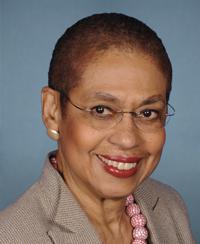
Sponsors and Cosponsors of HR 565
Latest Bills
TRAPS Act
Bill HR 4936September 18, 2026
Apples to Apples Comparison Act of 2025
Bill HR 4093September 18, 2026
American Lending Fairness Act of 2026
Bill HR 7866September 18, 2026
Civil Investigative Demand Reform Act of 2025
Bill HR 1653September 18, 2026
American Reserve Modernization Act of 2026
Bill HR 8957September 18, 2026
Preventive Health Savings Act
Bill HR 4464September 18, 2026
PEARL Act
Bill HR 9327September 18, 2026
Medically Tailored Home-Delivered Meals Program Pilot Act
Bill HR 5439September 18, 2026
To designate the facility of the United States Postal Service located at 117 West Lovett Street in Charlotte, Michigan, as the "Francis C. Flaherty Post Office Building".
Bill HR 9570September 18, 2026
To designate the facility of the United States Postal Service located at 1019 Avenue H in Fort Madison, Iowa, as the "Martin L. Graber Post Office".
Bill HR 4707September 18, 2026