1
0
0
Palliative Care and Hospice Education and Training Act
7/30/2025, 12:38 PM
Summary of Bill HR 4425
The bill titled "To amend the Public Health Service Act to increase the number of permanent faculty in palliative care at accredited allopathic and osteopathic medical schools, nursing schools and other programs, including social work, physician assistant, and chaplaincy education programs, to promote education and research in palliative care and hospice, and to support the development of faculty careers in academic palliative and hospice care" was introduced in the 119th Congress on July 16, 2025.
Current Status of Bill HR 4425
Bill HR 4425 is currently in the status of Bill Introduced since July 16, 2025. Bill HR 4425 was introduced during Congress 119 and was introduced to the House on July 16, 2025. Bill HR 4425's most recent activity was Referred to the House Committee on Energy and Commerce. as of July 16, 2025
Bipartisan Support of Bill HR 4425
Total Number of Sponsors
2Democrat Sponsors
0Republican Sponsors
2Unaffiliated Sponsors
0Total Number of Cosponsors
1Democrat Cosponsors
1Republican Cosponsors
0Unaffiliated Cosponsors
0Policy Area and Potential Impact of Bill HR 4425
Primary Policy Focus
Alternate Title(s) of Bill HR 4425
To amend the Public Health Service Act to increase the number of permanent faculty in palliative care at accredited allopathic and osteopathic medical schools, nursing schools and other programs, including social work, physician assistant, and chaplaincy education programs, to promote education and research in palliative care and hospice, and to support the development of faculty careers in academic palliative and hospice care.
To amend the Public Health Service Act to increase the number of permanent faculty in palliative care at accredited allopathic and osteopathic medical schools, nursing schools and other programs, including social work, physician assistant, and chaplaincy education programs, to promote education and research in palliative care and hospice, and to support the development of faculty careers in academic palliative and hospice care.
Comments
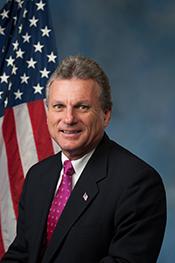
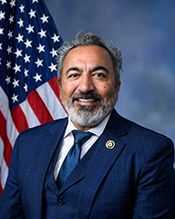
Sponsors and Cosponsors of HR 4425
Latest Bills
TRAPS Act
Bill HR 4936September 18, 2026
Apples to Apples Comparison Act of 2025
Bill HR 4093September 18, 2026
American Lending Fairness Act of 2026
Bill HR 7866September 18, 2026
Civil Investigative Demand Reform Act of 2025
Bill HR 1653September 18, 2026
American Reserve Modernization Act of 2026
Bill HR 8957September 18, 2026
Preventive Health Savings Act
Bill HR 4464September 18, 2026
PEARL Act
Bill HR 9327September 18, 2026
Medically Tailored Home-Delivered Meals Program Pilot Act
Bill HR 5439September 18, 2026
To designate the facility of the United States Postal Service located at 117 West Lovett Street in Charlotte, Michigan, as the "Francis C. Flaherty Post Office Building".
Bill HR 9570September 18, 2026
To designate the facility of the United States Postal Service located at 1019 Avenue H in Fort Madison, Iowa, as the "Martin L. Graber Post Office".
Bill HR 4707September 18, 2026