0
0
0
TRUST in Congress Act
2/11/2025, 1:12 PM
Summary of Bill HR 396
Bill 119 HR 396, also known as the Blind Trust Act, aims to require Members of Congress, as well as their spouses and dependent children, to place certain assets into blind trusts. A blind trust is a financial arrangement in which a trustee manages the assets of a beneficiary without the beneficiary knowing the specific investments being made. This is done to prevent conflicts of interest and ensure that decisions made by the beneficiary, in this case, Members of Congress, are not influenced by their personal financial interests.
The purpose of this bill is to increase transparency and accountability among Members of Congress by preventing them from using their positions for personal financial gain. By placing their assets into blind trusts, Members of Congress would be unable to make decisions that could directly benefit themselves or their families financially.
The bill does not specify which assets would need to be placed into blind trusts or how the trusts would be managed. It also does not outline any penalties for non-compliance. However, it does state that the Office of Government Ethics would be responsible for overseeing the implementation of the blind trusts. Overall, the Blind Trust Act seeks to promote ethical behavior and integrity among Members of Congress by ensuring that their financial interests do not interfere with their duties as elected officials.
The purpose of this bill is to increase transparency and accountability among Members of Congress by preventing them from using their positions for personal financial gain. By placing their assets into blind trusts, Members of Congress would be unable to make decisions that could directly benefit themselves or their families financially.
The bill does not specify which assets would need to be placed into blind trusts or how the trusts would be managed. It also does not outline any penalties for non-compliance. However, it does state that the Office of Government Ethics would be responsible for overseeing the implementation of the blind trusts. Overall, the Blind Trust Act seeks to promote ethical behavior and integrity among Members of Congress by ensuring that their financial interests do not interfere with their duties as elected officials.
Congressional Summary of HR 396
Transparent Representation Upholding Service and Trust in Congress Act or the TRUST in Congress Act
This bill requires a Member of Congress, as well as any spouse or dependent child of a Member, to place specified investments into a qualified blind trust (i.e., an arrangement in which certain financial holdings are placed in someone else's control to avoid a possible conflict of interest) until 180 days after the end of their tenure as a Member of Congress.
Read the Full Bill
Current Status of Bill HR 396
Bill HR 396 is currently in the status of Bill Introduced since January 14, 2025. Bill HR 396 was introduced during Congress 119 and was introduced to the House on January 14, 2025. Bill HR 396's most recent activity was Referred to the House Committee on House Administration. as of January 14, 2025
Bipartisan Support of Bill HR 396
Total Number of Sponsors
7Democrat Sponsors
7Republican Sponsors
0Unaffiliated Sponsors
0Total Number of Cosponsors
260Democrat Cosponsors
207Republican Cosponsors
53Unaffiliated Cosponsors
0Policy Area and Potential Impact of Bill HR 396
Primary Policy Focus
CongressAlternate Title(s) of Bill HR 396
To require Members of Congress and their spouses and dependent children to place certain assets into blind trusts, and for other purposes.
To require Members of Congress and their spouses and dependent children to place certain assets into blind trusts, and for other purposes.
Comments
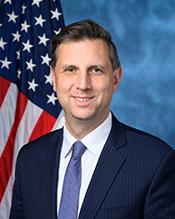
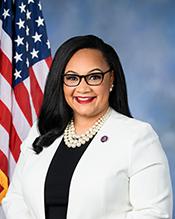
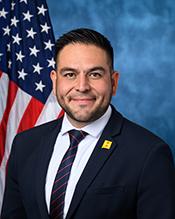
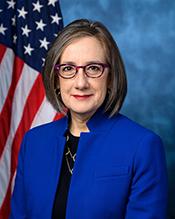
Sponsors and Cosponsors of HR 396


Latest Bills
TRAPS Act
Bill HR 4936September 18, 2026
Apples to Apples Comparison Act of 2025
Bill HR 4093September 18, 2026
American Lending Fairness Act of 2026
Bill HR 7866September 18, 2026
Civil Investigative Demand Reform Act of 2025
Bill HR 1653September 18, 2026
American Reserve Modernization Act of 2026
Bill HR 8957September 18, 2026
Preventive Health Savings Act
Bill HR 4464September 18, 2026
PEARL Act
Bill HR 9327September 18, 2026
Medically Tailored Home-Delivered Meals Program Pilot Act
Bill HR 5439September 18, 2026
To designate the facility of the United States Postal Service located at 117 West Lovett Street in Charlotte, Michigan, as the "Francis C. Flaherty Post Office Building".
Bill HR 9570September 18, 2026
To designate the facility of the United States Postal Service located at 1019 Avenue H in Fort Madison, Iowa, as the "Martin L. Graber Post Office".
Bill HR 4707September 18, 2026