3
1
1
POWER Act of 2025
4/9/2025, 8:06 AM
Summary of Bill HR 2599
Bill 119 HR 2599, also known as the Emergency Generator Tax Credit Act, aims to amend the Internal Revenue Code of 1986 to create a tax credit for the purchase and installation of emergency generators. The bill is designed to incentivize individuals and businesses to invest in emergency generators, which can provide critical backup power during times of natural disasters, power outages, or other emergencies.
Under this proposed legislation, individuals and businesses would be eligible for a tax credit equal to a percentage of the cost of purchasing and installing an emergency generator. The specific percentage of the credit would be determined by the size and capacity of the generator, with larger generators potentially qualifying for a higher credit.
The goal of the Emergency Generator Tax Credit Act is to encourage preparedness and resilience in the face of emergencies, ensuring that individuals and businesses have access to reliable backup power when it is needed most. Proponents of the bill argue that investing in emergency generators can help mitigate the impact of power outages and other disruptions, ultimately saving lives and reducing economic losses. Overall, the Emergency Generator Tax Credit Act seeks to provide a financial incentive for individuals and businesses to invest in emergency preparedness, ultimately enhancing the resilience of communities across the United States.
Under this proposed legislation, individuals and businesses would be eligible for a tax credit equal to a percentage of the cost of purchasing and installing an emergency generator. The specific percentage of the credit would be determined by the size and capacity of the generator, with larger generators potentially qualifying for a higher credit.
The goal of the Emergency Generator Tax Credit Act is to encourage preparedness and resilience in the face of emergencies, ensuring that individuals and businesses have access to reliable backup power when it is needed most. Proponents of the bill argue that investing in emergency generators can help mitigate the impact of power outages and other disruptions, ultimately saving lives and reducing economic losses. Overall, the Emergency Generator Tax Credit Act seeks to provide a financial incentive for individuals and businesses to invest in emergency preparedness, ultimately enhancing the resilience of communities across the United States.
Read the Full Bill
Current Status of Bill HR 2599
Bill HR 2599 is currently in the status of Bill Introduced since April 2, 2025. Bill HR 2599 was introduced during Congress 119 and was introduced to the House on April 2, 2025. Bill HR 2599's most recent activity was Referred to the House Committee on Ways and Means. as of April 2, 2025
Bipartisan Support of Bill HR 2599
Total Number of Sponsors
3Democrat Sponsors
0Republican Sponsors
3Unaffiliated Sponsors
0Total Number of Cosponsors
23Democrat Cosponsors
0Republican Cosponsors
23Unaffiliated Cosponsors
0Policy Area and Potential Impact of Bill HR 2599
Primary Policy Focus
Alternate Title(s) of Bill HR 2599
To amend the Internal Revenue Code of 1986 to establish the emergency generator tax credit.
To amend the Internal Revenue Code of 1986 to establish the emergency generator tax credit.
Comments
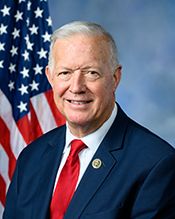
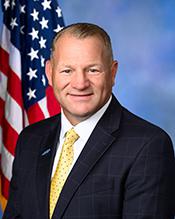
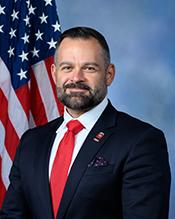
Sponsors and Cosponsors of HR 2599



Latest Bills
TRAPS Act
Bill HR 4936September 18, 2026
Apples to Apples Comparison Act of 2025
Bill HR 4093September 18, 2026
American Lending Fairness Act of 2026
Bill HR 7866September 18, 2026
Civil Investigative Demand Reform Act of 2025
Bill HR 1653September 18, 2026
American Reserve Modernization Act of 2026
Bill HR 8957September 18, 2026
Preventive Health Savings Act
Bill HR 4464September 18, 2026
PEARL Act
Bill HR 9327September 18, 2026
Medically Tailored Home-Delivered Meals Program Pilot Act
Bill HR 5439September 18, 2026
To designate the facility of the United States Postal Service located at 117 West Lovett Street in Charlotte, Michigan, as the "Francis C. Flaherty Post Office Building".
Bill HR 9570September 18, 2026
To designate the facility of the United States Postal Service located at 1019 Avenue H in Fort Madison, Iowa, as the "Martin L. Graber Post Office".
Bill HR 4707September 18, 2026