4
2
2
No Tax on Bonuses Act of 2025
4/6/2025, 4:38 AM
Summary of Bill HR 2565
Bill 119 HR 2565, also known as the "Military Enlistment Bonus Tax Exclusion Act," aims to amend the Internal Revenue Code of 1986 to exclude enlistment and reenlistment bonuses for members of the armed forces from gross income. This means that any bonuses received by military personnel for enlisting or reenlisting in the armed forces would not be subject to federal income tax.
The bill recognizes the sacrifices and service of our military members and seeks to provide them with financial relief by exempting their enlistment and reenlistment bonuses from taxation. This would allow service members to keep more of their hard-earned money and provide them with additional financial support as they serve our country.
By excluding enlistment and reenlistment bonuses from gross income, the bill aims to incentivize individuals to join or remain in the armed forces by removing a potential financial burden. This could help attract and retain talented individuals in the military, ultimately strengthening our national defense. Overall, Bill 119 HR 2565 seeks to support and honor our military members by providing them with tax relief on their enlistment and reenlistment bonuses. It acknowledges the sacrifices and contributions of our service members and aims to provide them with additional financial support as they serve our country.
The bill recognizes the sacrifices and service of our military members and seeks to provide them with financial relief by exempting their enlistment and reenlistment bonuses from taxation. This would allow service members to keep more of their hard-earned money and provide them with additional financial support as they serve our country.
By excluding enlistment and reenlistment bonuses from gross income, the bill aims to incentivize individuals to join or remain in the armed forces by removing a potential financial burden. This could help attract and retain talented individuals in the military, ultimately strengthening our national defense. Overall, Bill 119 HR 2565 seeks to support and honor our military members by providing them with tax relief on their enlistment and reenlistment bonuses. It acknowledges the sacrifices and contributions of our service members and aims to provide them with additional financial support as they serve our country.
Read the Full Bill
Current Status of Bill HR 2565
Bill HR 2565 is currently in the status of Bill Introduced since April 1, 2025. Bill HR 2565 was introduced during Congress 119 and was introduced to the House on April 1, 2025. Bill HR 2565's most recent activity was Referred to the House Committee on Ways and Means. as of April 1, 2025
Bipartisan Support of Bill HR 2565
Total Number of Sponsors
3Democrat Sponsors
0Republican Sponsors
3Unaffiliated Sponsors
0Total Number of Cosponsors
0Democrat Cosponsors
0Republican Cosponsors
0Unaffiliated Cosponsors
0Policy Area and Potential Impact of Bill HR 2565
Primary Policy Focus
Alternate Title(s) of Bill HR 2565
To amend the Internal Revenue Code of 1986 to exclude enlistment and reenlistment bonuses for members of the armed forces from gross income.
To amend the Internal Revenue Code of 1986 to exclude enlistment and reenlistment bonuses for members of the armed forces from gross income.
Comments
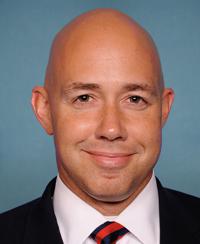
Sponsors and Cosponsors of HR 2565
Latest Bills
TRAPS Act
Bill HR 4936September 18, 2026
Apples to Apples Comparison Act of 2025
Bill HR 4093September 18, 2026
American Lending Fairness Act of 2026
Bill HR 7866September 18, 2026
Civil Investigative Demand Reform Act of 2025
Bill HR 1653September 18, 2026
American Reserve Modernization Act of 2026
Bill HR 8957September 18, 2026
Preventive Health Savings Act
Bill HR 4464September 18, 2026
PEARL Act
Bill HR 9327September 18, 2026
Medically Tailored Home-Delivered Meals Program Pilot Act
Bill HR 5439September 18, 2026
To designate the facility of the United States Postal Service located at 117 West Lovett Street in Charlotte, Michigan, as the "Francis C. Flaherty Post Office Building".
Bill HR 9570September 18, 2026
To designate the facility of the United States Postal Service located at 1019 Avenue H in Fort Madison, Iowa, as the "Martin L. Graber Post Office".
Bill HR 4707September 18, 2026