2
2
2
Paying a Fair Share Act of 2025
4/6/2025, 4:38 AM
Summary of Bill HR 2534
Bill 119 HR 2534, also known as the "Fair Share Tax Act," aims to ensure that high-income earners contribute their fair share of federal taxes. The bill proposes several measures to achieve this goal.
First, the bill would increase the top marginal tax rate for individuals earning over $1 million per year. This would help to address income inequality and ensure that those who can afford to pay more in taxes do so.
Second, the bill would close loopholes and tax breaks that benefit wealthy individuals and corporations. By eliminating these tax advantages, the bill aims to create a more equitable tax system where everyone pays their fair share. Additionally, the bill includes provisions to crack down on tax evasion and avoidance by high-income earners. This would help to ensure that all taxpayers comply with their tax obligations and prevent the wealthy from exploiting loopholes to reduce their tax burden. Overall, the Fair Share Tax Act seeks to promote fairness and equity in the federal tax system by ensuring that high-income earners pay their fair share. By increasing tax rates for the wealthy, closing loopholes, and cracking down on tax evasion, the bill aims to create a more just and equitable tax system for all Americans.
First, the bill would increase the top marginal tax rate for individuals earning over $1 million per year. This would help to address income inequality and ensure that those who can afford to pay more in taxes do so.
Second, the bill would close loopholes and tax breaks that benefit wealthy individuals and corporations. By eliminating these tax advantages, the bill aims to create a more equitable tax system where everyone pays their fair share. Additionally, the bill includes provisions to crack down on tax evasion and avoidance by high-income earners. This would help to ensure that all taxpayers comply with their tax obligations and prevent the wealthy from exploiting loopholes to reduce their tax burden. Overall, the Fair Share Tax Act seeks to promote fairness and equity in the federal tax system by ensuring that high-income earners pay their fair share. By increasing tax rates for the wealthy, closing loopholes, and cracking down on tax evasion, the bill aims to create a more just and equitable tax system for all Americans.
Read the Full Bill
Current Status of Bill HR 2534
Bill HR 2534 is currently in the status of Bill Introduced since April 1, 2025. Bill HR 2534 was introduced during Congress 119 and was introduced to the House on April 1, 2025. Bill HR 2534's most recent activity was Referred to the House Committee on Ways and Means. as of April 1, 2025
Bipartisan Support of Bill HR 2534
Total Number of Sponsors
3Democrat Sponsors
3Republican Sponsors
0Unaffiliated Sponsors
0Total Number of Cosponsors
2Democrat Cosponsors
2Republican Cosponsors
0Unaffiliated Cosponsors
0Policy Area and Potential Impact of Bill HR 2534
Primary Policy Focus
Alternate Title(s) of Bill HR 2534
To ensure high-income earners pay a fair share of Federal taxes.
To ensure high-income earners pay a fair share of Federal taxes.
Comments
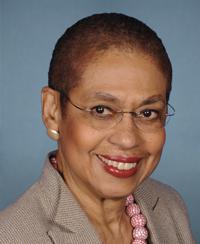
Sponsors and Cosponsors of HR 2534


Latest Bills
TRAPS Act
Bill HR 4936September 18, 2026
Apples to Apples Comparison Act of 2025
Bill HR 4093September 18, 2026
American Lending Fairness Act of 2026
Bill HR 7866September 18, 2026
Civil Investigative Demand Reform Act of 2025
Bill HR 1653September 18, 2026
American Reserve Modernization Act of 2026
Bill HR 8957September 18, 2026
Preventive Health Savings Act
Bill HR 4464September 18, 2026
PEARL Act
Bill HR 9327September 18, 2026
Medically Tailored Home-Delivered Meals Program Pilot Act
Bill HR 5439September 18, 2026
To designate the facility of the United States Postal Service located at 117 West Lovett Street in Charlotte, Michigan, as the "Francis C. Flaherty Post Office Building".
Bill HR 9570September 18, 2026
To designate the facility of the United States Postal Service located at 1019 Avenue H in Fort Madison, Iowa, as the "Martin L. Graber Post Office".
Bill HR 4707September 18, 2026