1
3
3
Stop Illegal Campaign Coordination Act
4/6/2025, 4:53 AM
Summary of Bill HR 2476
Bill 119 hr 2476, also known as the "Coordination Act," aims to amend the Federal Election Campaign Act of 1971. The main purpose of this bill is to classify expenditures as coordinated with a candidate, an authorized committee of a candidate, or a committee of a national, state, or local political party if the making of the expenditures aligns closely with instructions, directions, guidance, and suggestions from such candidate or committee.
In simpler terms, this bill seeks to tighten regulations on campaign expenditures to ensure that they are not being made independently of a candidate or political party. By considering expenditures as coordinated if they are materially consistent with the wishes of the candidate or committee, the bill aims to prevent circumvention of campaign finance laws and increase transparency in political spending.
Overall, the Coordination Act aims to strengthen accountability and oversight in campaign finance by clarifying the rules surrounding coordinated expenditures. This bill addresses an important aspect of campaign finance regulation and seeks to uphold the integrity of the electoral process.
In simpler terms, this bill seeks to tighten regulations on campaign expenditures to ensure that they are not being made independently of a candidate or political party. By considering expenditures as coordinated if they are materially consistent with the wishes of the candidate or committee, the bill aims to prevent circumvention of campaign finance laws and increase transparency in political spending.
Overall, the Coordination Act aims to strengthen accountability and oversight in campaign finance by clarifying the rules surrounding coordinated expenditures. This bill addresses an important aspect of campaign finance regulation and seeks to uphold the integrity of the electoral process.
Read the Full Bill
Current Status of Bill HR 2476
Bill HR 2476 is currently in the status of Bill Introduced since March 27, 2025. Bill HR 2476 was introduced during Congress 119 and was introduced to the House on March 27, 2025. Bill HR 2476's most recent activity was Referred to the House Committee on House Administration. as of March 27, 2025
Bipartisan Support of Bill HR 2476
Total Number of Sponsors
2Democrat Sponsors
2Republican Sponsors
0Unaffiliated Sponsors
0Total Number of Cosponsors
4Democrat Cosponsors
4Republican Cosponsors
0Unaffiliated Cosponsors
0Policy Area and Potential Impact of Bill HR 2476
Primary Policy Focus
Alternate Title(s) of Bill HR 2476
To amend the Federal Election Campaign Act of 1971 to treat expenditures as coordinated with a candidate, an authorized committee of a candidate, or a committee of a national, State, or local political party if the making of the expenditures is materially consistent with instructions, directions, guidance, and suggestions from such candidate or committee, and for other purposes.
To amend the Federal Election Campaign Act of 1971 to treat expenditures as coordinated with a candidate, an authorized committee of a candidate, or a committee of a national, State, or local political party if the making of the expenditures is materially consistent with instructions, directions, guidance, and suggestions from such candidate or committee, and for other purposes.
Comments
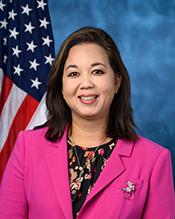
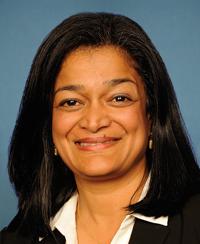
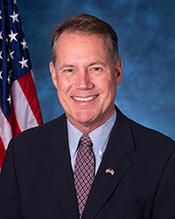
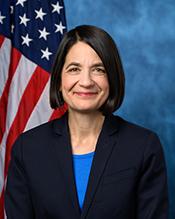
Sponsors and Cosponsors of HR 2476

Latest Bills
TRAPS Act
Bill HR 4936September 18, 2026
Apples to Apples Comparison Act of 2025
Bill HR 4093September 18, 2026
American Lending Fairness Act of 2026
Bill HR 7866September 18, 2026
Civil Investigative Demand Reform Act of 2025
Bill HR 1653September 18, 2026
American Reserve Modernization Act of 2026
Bill HR 8957September 18, 2026
Preventive Health Savings Act
Bill HR 4464September 18, 2026
PEARL Act
Bill HR 9327September 18, 2026
Medically Tailored Home-Delivered Meals Program Pilot Act
Bill HR 5439September 18, 2026
To designate the facility of the United States Postal Service located at 117 West Lovett Street in Charlotte, Michigan, as the "Francis C. Flaherty Post Office Building".
Bill HR 9570September 18, 2026
To designate the facility of the United States Postal Service located at 1019 Avenue H in Fort Madison, Iowa, as the "Martin L. Graber Post Office".
Bill HR 4707September 18, 2026