5
4
4
Foster Care Tax Credit Act
4/23/2025, 1:32 PM
Summary of Bill HR 2438
Bill 119 HR 2438, also known as the Foster Family Tax Credit Act, aims to amend the Internal Revenue Code of 1986 to provide a refundable tax credit for foster families. The bill seeks to support and incentivize individuals and families who open their homes to foster children by providing financial assistance through a tax credit.
The tax credit would be refundable, meaning that even if a foster family does not owe any federal income tax, they would still receive the full amount of the credit as a refund. This would help alleviate some of the financial burden that comes with caring for foster children and encourage more families to consider becoming foster parents.
In addition to the tax credit for foster families, the bill also includes provisions for other purposes related to foster care. These may include additional support services, resources, or incentives to further assist foster families in providing a safe and nurturing environment for the children in their care. Overall, the Foster Family Tax Credit Act aims to recognize and support the important role that foster families play in providing stability and care for children in need. By providing financial assistance through a refundable tax credit, the bill seeks to encourage more individuals and families to consider becoming foster parents and help improve outcomes for children in the foster care system.
The tax credit would be refundable, meaning that even if a foster family does not owe any federal income tax, they would still receive the full amount of the credit as a refund. This would help alleviate some of the financial burden that comes with caring for foster children and encourage more families to consider becoming foster parents.
In addition to the tax credit for foster families, the bill also includes provisions for other purposes related to foster care. These may include additional support services, resources, or incentives to further assist foster families in providing a safe and nurturing environment for the children in their care. Overall, the Foster Family Tax Credit Act aims to recognize and support the important role that foster families play in providing stability and care for children in need. By providing financial assistance through a refundable tax credit, the bill seeks to encourage more individuals and families to consider becoming foster parents and help improve outcomes for children in the foster care system.
Read the Full Bill
Current Status of Bill HR 2438
Bill HR 2438 is currently in the status of Bill Introduced since March 27, 2025. Bill HR 2438 was introduced during Congress 119 and was introduced to the House on March 27, 2025. Bill HR 2438's most recent activity was Referred to the Committee on Ways and Means, and in addition to the Committee on Education and Workforce, for a period to be subsequently determined by the Speaker, in each case for consideration of such provisions as fall within the jurisdiction of the committee concerned. as of March 27, 2025
Bipartisan Support of Bill HR 2438
Total Number of Sponsors
4Democrat Sponsors
0Republican Sponsors
4Unaffiliated Sponsors
0Total Number of Cosponsors
1Democrat Cosponsors
1Republican Cosponsors
0Unaffiliated Cosponsors
0Policy Area and Potential Impact of Bill HR 2438
Primary Policy Focus
Alternate Title(s) of Bill HR 2438
To amend the Internal Revenue Code of 1986 to create a refundable tax credit for foster families, and for other purposes.
To amend the Internal Revenue Code of 1986 to create a refundable tax credit for foster families, and for other purposes.
Comments

Sylas Erickson
1,169
1 year ago
Not sure about this one.
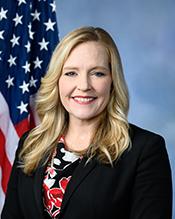
Sponsors and Cosponsors of HR 2438

Latest Bills
TRAPS Act
Bill HR 4936September 18, 2026
Apples to Apples Comparison Act of 2025
Bill HR 4093September 18, 2026
American Lending Fairness Act of 2026
Bill HR 7866September 18, 2026
Civil Investigative Demand Reform Act of 2025
Bill HR 1653September 18, 2026
American Reserve Modernization Act of 2026
Bill HR 8957September 18, 2026
Preventive Health Savings Act
Bill HR 4464September 18, 2026
PEARL Act
Bill HR 9327September 18, 2026
Medically Tailored Home-Delivered Meals Program Pilot Act
Bill HR 5439September 18, 2026
To designate the facility of the United States Postal Service located at 117 West Lovett Street in Charlotte, Michigan, as the "Francis C. Flaherty Post Office Building".
Bill HR 9570September 18, 2026
To designate the facility of the United States Postal Service located at 1019 Avenue H in Fort Madison, Iowa, as the "Martin L. Graber Post Office".
Bill HR 4707September 18, 2026