0
2
2
Unfair Tax Prevention Act
4/6/2025, 4:38 AM
Summary of Bill HR 2423
Bill 119 HR 2423, also known as the "Base Erosion and Anti-Abuse Tax Modification Act," aims to make changes to the Internal Revenue Code of 1986 in order to address concerns related to the base erosion and anti-abuse tax (BEAT). The BEAT is a tax provision that was introduced to prevent multinational corporations from shifting profits to low-tax jurisdictions in order to avoid paying taxes in the United States.
Specifically, this bill focuses on modifying the application of the BEAT with respect to certain entities that are connected to jurisdictions that have implemented an extraterritorial tax. An extraterritorial tax is a tax imposed by a foreign government on income that is earned outside of its borders.
The purpose of this modification is to ensure that the BEAT does not unfairly penalize entities that are subject to both the BEAT and an extraterritorial tax. By making these changes, the bill aims to create a more equitable tax system for multinational corporations operating in multiple jurisdictions. Overall, the goal of Bill 119 HR 2423 is to strike a balance between preventing tax avoidance by multinational corporations and ensuring that these entities are not subject to double taxation due to conflicting tax laws in different jurisdictions.
Specifically, this bill focuses on modifying the application of the BEAT with respect to certain entities that are connected to jurisdictions that have implemented an extraterritorial tax. An extraterritorial tax is a tax imposed by a foreign government on income that is earned outside of its borders.
The purpose of this modification is to ensure that the BEAT does not unfairly penalize entities that are subject to both the BEAT and an extraterritorial tax. By making these changes, the bill aims to create a more equitable tax system for multinational corporations operating in multiple jurisdictions. Overall, the goal of Bill 119 HR 2423 is to strike a balance between preventing tax avoidance by multinational corporations and ensuring that these entities are not subject to double taxation due to conflicting tax laws in different jurisdictions.
Read the Full Bill
Current Status of Bill HR 2423
Bill HR 2423 is currently in the status of Bill Introduced since March 27, 2025. Bill HR 2423 was introduced during Congress 119 and was introduced to the House on March 27, 2025. Bill HR 2423's most recent activity was Referred to the House Committee on Ways and Means. as of March 27, 2025
Bipartisan Support of Bill HR 2423
Total Number of Sponsors
2Democrat Sponsors
0Republican Sponsors
2Unaffiliated Sponsors
0Total Number of Cosponsors
24Democrat Cosponsors
0Republican Cosponsors
24Unaffiliated Cosponsors
0Policy Area and Potential Impact of Bill HR 2423
Primary Policy Focus
Alternate Title(s) of Bill HR 2423
Unfair Tax Prevention Act
Unfair Tax Prevention Act
To amend the Internal Revenue Code of 1986 to modify the application of the base erosion and anti-abuse tax with respect to certain entities connected to jurisdictions which have implemented an extraterritorial tax.
Comments

Guillermo Zhou
1,159
1 year ago
I support it.
Sponsors and Cosponsors of HR 2423
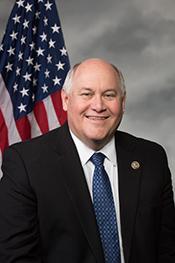

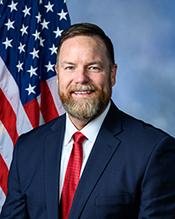



Latest Bills
TRAPS Act
Bill HR 4936September 18, 2026
Apples to Apples Comparison Act of 2025
Bill HR 4093September 18, 2026
American Lending Fairness Act of 2026
Bill HR 7866September 18, 2026
Civil Investigative Demand Reform Act of 2025
Bill HR 1653September 18, 2026
American Reserve Modernization Act of 2026
Bill HR 8957September 18, 2026
Preventive Health Savings Act
Bill HR 4464September 18, 2026
PEARL Act
Bill HR 9327September 18, 2026
Medically Tailored Home-Delivered Meals Program Pilot Act
Bill HR 5439September 18, 2026
To designate the facility of the United States Postal Service located at 117 West Lovett Street in Charlotte, Michigan, as the "Francis C. Flaherty Post Office Building".
Bill HR 9570September 18, 2026
To designate the facility of the United States Postal Service located at 1019 Avenue H in Fort Madison, Iowa, as the "Martin L. Graber Post Office".
Bill HR 4707September 18, 2026