17
Save Our Shrimpers Act
5/15/2026, 3:08 AM
Summary of Bill HR 2071
If passed, this legislation would prohibit any Federal funds from being allocated to international financial institutions for the purpose of financing foreign shrimp farms. The bill also includes provisions for reporting and monitoring to ensure compliance with the prohibition.
Supporters of the bill argue that foreign shrimp farms often have negative consequences on local ecosystems and communities, including deforestation, pollution, and displacement of indigenous populations. By cutting off funding from international financial institutions, the US can help promote more sustainable and responsible practices in the shrimp farming industry. Opponents of the bill may argue that restricting funding for foreign shrimp farms could have unintended consequences, such as limiting economic opportunities for developing countries or increasing the cost of shrimp for consumers. However, proponents believe that the potential benefits of protecting the environment and supporting local communities outweigh these concerns. Overall, Bill 119 HR 2071 represents a bipartisan effort to address the environmental and social impacts of foreign shrimp farming by restricting the use of Federal funds for financing these operations.
Congressional Summary of HR 2071
Save Our Shrimpers Act
This bill prohibits federal funds from being made available to international financial institutions (e.g., the International Monetary Fund) for financing activities related to foreign shrimp farms. The bill also requires an annual report on compliance by U.S. leadership of international financial institutions with policies to oppose financing for certain commodities or minerals.
Specifically, the bill requires the Department of the Treasury to condition any provision of federal funds to an international financial institution on the requirement that the funds not be used to finance any activity related to shrimp farming, shrimp processing, or the export of shrimp in any foreign country.
Under current law, Treasury must instruct U.S. leadership of international financial institutions to oppose providing financial assistance for the production or extraction of any commodity or mineral for export if (1) the commodity or mineral is in surplus on world markets, and (2) the export of such commodity or mineral will cause substantial injury to U.S. producers of a competing commodity or mineral (or of the same or a similar commodity or mineral). This bill requires the Government Accountability Office to investigate and annually report to Congress on the extent to which U.S. leadership at these institutions have carried out Treasury's instructions.
Read the Full Bill
Current Status of Bill HR 2071
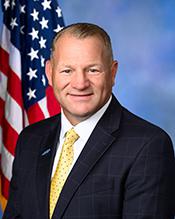
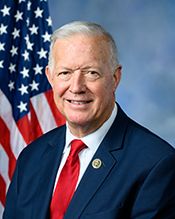
Bipartisan Support of Bill HR 2071
Total Number of Sponsors
1Democrat Sponsors
0Republican Sponsors
1Unaffiliated Sponsors
0Total Number of Cosponsors
55Democrat Cosponsors
7Republican Cosponsors
48Unaffiliated Cosponsors
0Policy Area and Potential Impact of Bill HR 2071
Primary Policy Focus
Foreign Trade and International FinanceAlternate Title(s) of Bill HR 2071
Comments

Koen Pollard
6 months ago
I totally support this bill cuz it helps our shrimpers and that's important. This bill is gonna make a big difference for them and that's great. I think this bill is gonna help our economy too, which is good for all of us. But I wonder, how exactly is this bill gonna help the shrimpers in the long run?