0
0
0
Royalty Transparency Act
3/21/2025, 4:08 AM
Summary of Bill HR 1863
Bill 119 HR 1863, also known as the "Executive Branch Royalty Reporting Act," aims to require employees of the executive branch to report any royalties they receive from outside sources. This bill is designed to increase transparency and accountability within the government by ensuring that potential conflicts of interest are disclosed.
Under this legislation, executive branch employees would be required to report any royalties they receive from sources outside of their government salary. This includes royalties from books, speaking engagements, or any other outside sources of income. By requiring these disclosures, the bill aims to prevent conflicts of interest and ensure that government officials are acting in the best interest of the public.
In addition to requiring royalty reporting, the bill also includes provisions for enforcement and penalties for non-compliance. This includes potential disciplinary action for employees who fail to report their royalties as required by the legislation. Overall, the Executive Branch Royalty Reporting Act is aimed at promoting transparency and accountability within the government by requiring executive branch employees to disclose any outside sources of income. This bill seeks to ensure that government officials are acting in the best interest of the public and are not influenced by outside financial interests.
Under this legislation, executive branch employees would be required to report any royalties they receive from sources outside of their government salary. This includes royalties from books, speaking engagements, or any other outside sources of income. By requiring these disclosures, the bill aims to prevent conflicts of interest and ensure that government officials are acting in the best interest of the public.
In addition to requiring royalty reporting, the bill also includes provisions for enforcement and penalties for non-compliance. This includes potential disciplinary action for employees who fail to report their royalties as required by the legislation. Overall, the Executive Branch Royalty Reporting Act is aimed at promoting transparency and accountability within the government by requiring executive branch employees to disclose any outside sources of income. This bill seeks to ensure that government officials are acting in the best interest of the public and are not influenced by outside financial interests.
Read the Full Bill
Current Status of Bill HR 1863
Bill HR 1863 is currently in the status of Bill Introduced since March 5, 2025. Bill HR 1863 was introduced during Congress 119 and was introduced to the House on March 5, 2025. Bill HR 1863's most recent activity was Referred to the Committee on Oversight and Government Reform, and in addition to the Committee on the Judiciary, for a period to be subsequently determined by the Speaker, in each case for consideration of such provisions as fall within the jurisdiction of the committee concerned. as of March 5, 2025
Bipartisan Support of Bill HR 1863
Total Number of Sponsors
2Democrat Sponsors
0Republican Sponsors
2Unaffiliated Sponsors
0Total Number of Cosponsors
0Democrat Cosponsors
0Republican Cosponsors
0Unaffiliated Cosponsors
0Policy Area and Potential Impact of Bill HR 1863
Primary Policy Focus
Alternate Title(s) of Bill HR 1863
To require executive branch employees to report certain royalties, and for other purposes.
To require executive branch employees to report certain royalties, and for other purposes.
Comments
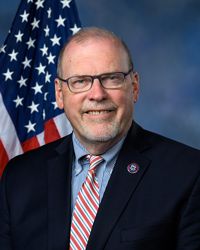
Sponsors and Cosponsors of HR 1863
Latest Bills
TRAPS Act
Bill HR 4936September 18, 2026
Apples to Apples Comparison Act of 2025
Bill HR 4093September 18, 2026
American Lending Fairness Act of 2026
Bill HR 7866September 18, 2026
Civil Investigative Demand Reform Act of 2025
Bill HR 1653September 18, 2026
American Reserve Modernization Act of 2026
Bill HR 8957September 18, 2026
Preventive Health Savings Act
Bill HR 4464September 18, 2026
PEARL Act
Bill HR 9327September 18, 2026
Medically Tailored Home-Delivered Meals Program Pilot Act
Bill HR 5439September 18, 2026
To designate the facility of the United States Postal Service located at 117 West Lovett Street in Charlotte, Michigan, as the "Francis C. Flaherty Post Office Building".
Bill HR 9570September 18, 2026
To designate the facility of the United States Postal Service located at 1019 Avenue H in Fort Madison, Iowa, as the "Martin L. Graber Post Office".
Bill HR 4707September 18, 2026