0
0
0
To prohibit Federal funds for any State, local, Tribal, or private entity that operates or controls an injection center in violation of section 416 of the Controlled Substances Act (21 U.S.C. 856; commonly referred to as the "Crack House Statute").
1/8/2025, 1:40 PM
Summary of Bill HR 172
Bill 119 hr 172, also known as the "Crack House Statute," aims to prohibit the use of Federal funds for any State, local, Tribal, or private entity that operates or controls an injection center in violation of section 416 of the Controlled Substances Act. This section of the Act, commonly referred to as the "Crack House Statute," prohibits the operation of any place for the purpose of using controlled substances, including illegal drugs like crack cocaine.
The bill seeks to prevent the establishment of injection centers where individuals can use illegal drugs under the guise of harm reduction. By withholding Federal funds from entities that operate or control such facilities, the legislation aims to uphold the federal law and discourage the facilitation of illegal drug use.
Supporters of the bill argue that injection centers enable and normalize drug use, undermining efforts to combat substance abuse and addiction. They believe that providing a safe space for drug use sends the wrong message and fails to address the root causes of addiction. Opponents of the bill, on the other hand, argue that injection centers can save lives by preventing overdose deaths and providing access to medical care and resources for individuals struggling with addiction. They believe that harm reduction strategies, such as supervised injection sites, are a more compassionate and effective approach to addressing the opioid crisis. Overall, Bill 119 hr 172 raises important questions about the balance between public health and law enforcement in addressing substance abuse issues. The debate surrounding the legislation highlights the complexities of drug policy and the challenges of finding solutions that prioritize both public safety and harm reduction.
The bill seeks to prevent the establishment of injection centers where individuals can use illegal drugs under the guise of harm reduction. By withholding Federal funds from entities that operate or control such facilities, the legislation aims to uphold the federal law and discourage the facilitation of illegal drug use.
Supporters of the bill argue that injection centers enable and normalize drug use, undermining efforts to combat substance abuse and addiction. They believe that providing a safe space for drug use sends the wrong message and fails to address the root causes of addiction. Opponents of the bill, on the other hand, argue that injection centers can save lives by preventing overdose deaths and providing access to medical care and resources for individuals struggling with addiction. They believe that harm reduction strategies, such as supervised injection sites, are a more compassionate and effective approach to addressing the opioid crisis. Overall, Bill 119 hr 172 raises important questions about the balance between public health and law enforcement in addressing substance abuse issues. The debate surrounding the legislation highlights the complexities of drug policy and the challenges of finding solutions that prioritize both public safety and harm reduction.
Congressional Summary of HR 172
Defund Heroin Injection Centers Act of 2025
This bill prohibits federal funds from being made available to a state, local, tribal, or private entity that operates or controls an injection center (i.e., a medically supervised injection site) in violation of the federal statute commonly known as the Crack House Statute. The statute generally prohibits making facilities available for the purpose of unlawfully using a controlled substance.
Current Status of Bill HR 172
Bill HR 172 is currently in the status of Bill Introduced since January 3, 2025. Bill HR 172 was introduced during Congress 119 and was introduced to the House on January 3, 2025. Bill HR 172's most recent activity was Referred to the House Committee on Oversight and Government Reform. as of January 3, 2025
Bipartisan Support of Bill HR 172
Total Number of Sponsors
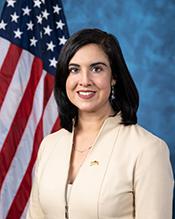
5Democrat Sponsors
0Republican Sponsors
5Unaffiliated Sponsors
0Total Number of Cosponsors
0Democrat Cosponsors
0Republican Cosponsors
0Unaffiliated Cosponsors
0Policy Area and Potential Impact of Bill HR 172
Primary Policy Focus
Alternate Title(s) of Bill HR 172
To prohibit Federal funds for any State, local, Tribal, or private entity that operates or controls an injection center in violation of section 416 of the Controlled Substances Act (21 U.S.C. 856; commonly referred to as the "Crack House Statute").
To prohibit Federal funds for any State, local, Tribal, or private entity that operates or controls an injection center in violation of section 416 of the Controlled Substances Act (21 U.S.C. 856; commonly referred to as the "Crack House Statute").
Comments
Sponsors and Cosponsors of HR 172
Latest Bills
TRAPS Act
Bill HR 4936September 18, 2026
Apples to Apples Comparison Act of 2025
Bill HR 4093September 18, 2026
American Lending Fairness Act of 2026
Bill HR 7866September 18, 2026
Civil Investigative Demand Reform Act of 2025
Bill HR 1653September 18, 2026
American Reserve Modernization Act of 2026
Bill HR 8957September 18, 2026
Preventive Health Savings Act
Bill HR 4464September 18, 2026
PEARL Act
Bill HR 9327September 18, 2026
Medically Tailored Home-Delivered Meals Program Pilot Act
Bill HR 5439September 18, 2026
To designate the facility of the United States Postal Service located at 117 West Lovett Street in Charlotte, Michigan, as the "Francis C. Flaherty Post Office Building".
Bill HR 9570September 18, 2026
To designate the facility of the United States Postal Service located at 1019 Avenue H in Fort Madison, Iowa, as the "Martin L. Graber Post Office".
Bill HR 4707September 18, 2026