0
0
0
To direct the Comptroller General of the United States to conduct a study on the effectiveness of emergency alerting systems, and for other purposes.
2/27/2025, 9:06 AM
Summary of Bill HR 1076
Bill 119 HR 1076, also known as the "Emergency Alerting Systems Study Act," aims to direct the Comptroller General of the United States to conduct a study on the effectiveness of emergency alerting systems. The bill seeks to evaluate the current emergency alerting systems in place and determine their efficiency in reaching and informing the public during emergencies.
The study will assess the effectiveness of various types of emergency alerting systems, including but not limited to the Emergency Alert System (EAS), Wireless Emergency Alerts (WEA), and other state and local alerting systems. The Comptroller General will analyze the timeliness, reach, and accuracy of these systems in delivering emergency notifications to the public.
Additionally, the study will examine the coordination and communication between federal, state, and local agencies in utilizing these alerting systems during emergencies. The goal is to identify any gaps or weaknesses in the current system and make recommendations for improvements to enhance the overall effectiveness of emergency alerting systems. Overall, Bill 119 HR 1076 aims to ensure that emergency alerting systems are efficient, reliable, and accessible to all individuals in the United States during times of crisis. The study conducted by the Comptroller General will provide valuable insights and recommendations for enhancing the effectiveness of these critical communication tools.
The study will assess the effectiveness of various types of emergency alerting systems, including but not limited to the Emergency Alert System (EAS), Wireless Emergency Alerts (WEA), and other state and local alerting systems. The Comptroller General will analyze the timeliness, reach, and accuracy of these systems in delivering emergency notifications to the public.
Additionally, the study will examine the coordination and communication between federal, state, and local agencies in utilizing these alerting systems during emergencies. The goal is to identify any gaps or weaknesses in the current system and make recommendations for improvements to enhance the overall effectiveness of emergency alerting systems. Overall, Bill 119 HR 1076 aims to ensure that emergency alerting systems are efficient, reliable, and accessible to all individuals in the United States during times of crisis. The study conducted by the Comptroller General will provide valuable insights and recommendations for enhancing the effectiveness of these critical communication tools.
Current Status of Bill HR 1076
Bill HR 1076 is currently in the status of Bill Introduced since February 6, 2025. Bill HR 1076 was introduced during Congress 119 and was introduced to the House on February 6, 2025. Bill HR 1076's most recent activity was Referred to the House Committee on Transportation and Infrastructure. as of February 6, 2025
Bipartisan Support of Bill HR 1076
Total Number of Sponsors
6Democrat Sponsors
0Republican Sponsors
6Unaffiliated Sponsors
0Total Number of Cosponsors
115Democrat Cosponsors
70Republican Cosponsors
45Unaffiliated Cosponsors
0Policy Area and Potential Impact of Bill HR 1076
Primary Policy Focus
Alternate Title(s) of Bill HR 1076
To direct the Comptroller General of the United States to conduct a study on the effectiveness of emergency alerting systems, and for other purposes.
To direct the Comptroller General of the United States to conduct a study on the effectiveness of emergency alerting systems, and for other purposes.
Comments
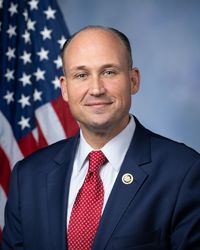
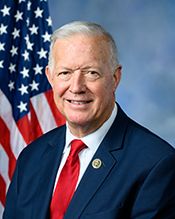
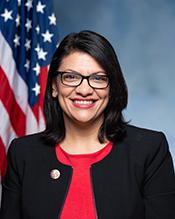
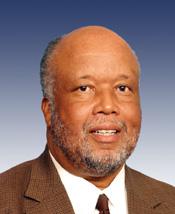
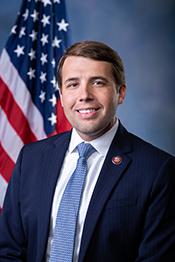
Sponsors and Cosponsors of HR 1076

Latest Bills
TRAPS Act
Bill HR 4936September 18, 2026
Apples to Apples Comparison Act of 2025
Bill HR 4093September 18, 2026
American Lending Fairness Act of 2026
Bill HR 7866September 18, 2026
Civil Investigative Demand Reform Act of 2025
Bill HR 1653September 18, 2026
American Reserve Modernization Act of 2026
Bill HR 8957September 18, 2026
Preventive Health Savings Act
Bill HR 4464September 18, 2026
PEARL Act
Bill HR 9327September 18, 2026
Medically Tailored Home-Delivered Meals Program Pilot Act
Bill HR 5439September 18, 2026
To designate the facility of the United States Postal Service located at 117 West Lovett Street in Charlotte, Michigan, as the "Francis C. Flaherty Post Office Building".
Bill HR 9570September 18, 2026
To designate the facility of the United States Postal Service located at 1019 Avenue H in Fort Madison, Iowa, as the "Martin L. Graber Post Office".
Bill HR 4707September 18, 2026