0
0
0
A joint resolution providing for congressional disapproval under chapter 8 of title 5, United States Code, of the rule submitted by the National Highway Traffic Safety Administration relating to "Corporate Average Fuel Economy Standards for Passenger Cars and Light Trucks for Model Years 2027 and Beyond and Fuel Efficiency Standards for Heavy-Duty Pickup Trucks and Vans for Model Years 2030 and Beyond".
8/8/2024, 1:13 PM
Summary of Bill SJRES 104
Bill 118 sjres 104 is a joint resolution that seeks to disapprove of a rule submitted by the National Highway Traffic Safety Administration (NHTSA) regarding Corporate Average Fuel Economy (CAFE) Standards for passenger cars and light trucks for model years 2027 and beyond, as well as fuel efficiency standards for heavy-duty pickup trucks and vans for model years 2030 and beyond.
The resolution falls under chapter 8 of title 5 of the United States Code, which allows Congress to review and potentially overturn regulations issued by federal agencies. In this case, the NHTSA's rule aims to set new CAFE standards for vehicles in the coming years, with the goal of improving fuel efficiency and reducing greenhouse gas emissions.
Supporters of the resolution argue that the NHTSA's proposed standards are overly burdensome for automakers and could lead to increased costs for consumers. They believe that the rule could stifle innovation and limit consumer choice in the marketplace. Opponents of the resolution, on the other hand, argue that the NHTSA's standards are necessary to combat climate change and reduce the country's dependence on fossil fuels. They believe that the rule will help to promote the development of cleaner, more efficient vehicles and ultimately benefit both the environment and public health. As of now, the resolution is still under consideration by Congress, and it remains to be seen whether it will ultimately be approved or rejected.
The resolution falls under chapter 8 of title 5 of the United States Code, which allows Congress to review and potentially overturn regulations issued by federal agencies. In this case, the NHTSA's rule aims to set new CAFE standards for vehicles in the coming years, with the goal of improving fuel efficiency and reducing greenhouse gas emissions.
Supporters of the resolution argue that the NHTSA's proposed standards are overly burdensome for automakers and could lead to increased costs for consumers. They believe that the rule could stifle innovation and limit consumer choice in the marketplace. Opponents of the resolution, on the other hand, argue that the NHTSA's standards are necessary to combat climate change and reduce the country's dependence on fossil fuels. They believe that the rule will help to promote the development of cleaner, more efficient vehicles and ultimately benefit both the environment and public health. As of now, the resolution is still under consideration by Congress, and it remains to be seen whether it will ultimately be approved or rejected.
Read the Full Bill
Current Status of Bill SJRES 104
Bill SJRES 104 is currently in the status of Bill Introduced since July 30, 2024. Bill SJRES 104 was introduced during Congress 118 and was introduced to the Senate on July 30, 2024. Bill SJRES 104's most recent activity was Read twice and referred to the Committee on Commerce, Science, and Transportation. as of July 30, 2024
Bipartisan Support of Bill SJRES 104
Total Number of Sponsors
1Democrat Sponsors
0Republican Sponsors
1Unaffiliated Sponsors
0Total Number of Cosponsors
58Democrat Cosponsors
0Republican Cosponsors
58Unaffiliated Cosponsors
0Policy Area and Potential Impact of Bill SJRES 104
Primary Policy Focus
EnergyAlternate Title(s) of Bill SJRES 104
A joint resolution providing for congressional disapproval under chapter 8 of title 5, United States Code, of the rule submitted by the National Highway Traffic Safety Administration relating to "Corporate Average Fuel Economy Standards for Passenger Cars and Light Trucks for Model Years 2027 and Beyond and Fuel Efficiency Standards for Heavy-Duty Pickup Trucks and Vans for Model Years 2030 and Beyond".
A joint resolution providing for congressional disapproval under chapter 8 of title 5, United States Code, of the rule submitted by the National Highway Traffic Safety Administration relating to "Corporate Average Fuel Economy Standards for Passenger Cars and Light Trucks for Model Years 2027 and Beyond and Fuel Efficiency Standards for Heavy-Duty Pickup Trucks and Vans for Model Years 2030 and Beyond".
Comments
Sponsors and Cosponsors of SJRES 104



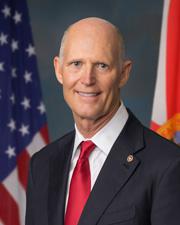

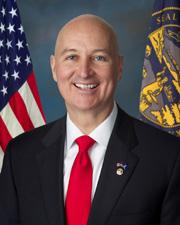
Latest Bills
TRAPS Act
Bill HR 4936September 18, 2026
Apples to Apples Comparison Act of 2025
Bill HR 4093September 18, 2026
American Lending Fairness Act of 2026
Bill HR 7866September 18, 2026
Civil Investigative Demand Reform Act of 2025
Bill HR 1653September 18, 2026
American Reserve Modernization Act of 2026
Bill HR 8957September 18, 2026
Preventive Health Savings Act
Bill HR 4464September 18, 2026
PEARL Act
Bill HR 9327September 18, 2026
Medically Tailored Home-Delivered Meals Program Pilot Act
Bill HR 5439September 18, 2026
To designate the facility of the United States Postal Service located at 117 West Lovett Street in Charlotte, Michigan, as the "Francis C. Flaherty Post Office Building".
Bill HR 9570September 18, 2026
To designate the facility of the United States Postal Service located at 1019 Avenue H in Fort Madison, Iowa, as the "Martin L. Graber Post Office".
Bill HR 4707September 18, 2026
Providing for congressional disapproval under chapter 8 of title 5, United States Code, of the rule submitted by the National Highway Traffic Safety Administration relating to "Corporate Average Fuel Economy Standards for Passenger Cars and Light Trucks for Model Years 2027 and Beyond and Fuel Efficiency Standards for Heavy-Duty Pickup Trucks and Vans for Model Years 2030 and Beyond".
Bill HJRES 199August 28, 2024
Providing for congressional disapproval under chapter 8 of title 5, United States Code, of the rule submitted by the National Highway Traffic Safety Administration entitled "Corporate Average Fuel Economy Standards for Passenger Cars and Light Trucks for Model Years 2027 and Beyond and Fuel Efficiency Standards for Heavy-Duty Pickup Trucks and Vans for Model Years 2030 and Beyond".
Bill HJRES 194August 8, 2024