0
0
0
A bill to establish a regulatory sandbox program under which agencies may provide waivers of agency rules and guidance, and for other purposes.
8/1/2024, 10:56 AM
Summary of Bill S 4919
Bill 118 s 4919, also known as the Regulatory Sandbox Act, is a proposed piece of legislation that aims to create a regulatory sandbox program within various government agencies. This program would allow these agencies to grant waivers of their rules and guidance in order to promote innovation and experimentation in various industries.
The main purpose of this bill is to provide a space for businesses and individuals to test new ideas and technologies without being hindered by strict regulations. By allowing for waivers of agency rules, the regulatory sandbox program seeks to foster creativity and growth in sectors such as technology, finance, and healthcare.
The bill also includes provisions for agencies to monitor and evaluate the outcomes of the waivers granted in the sandbox program. This oversight is intended to ensure that the waivers do not result in harm to consumers or the public interest. Overall, the Regulatory Sandbox Act is designed to strike a balance between promoting innovation and protecting the public welfare. It remains to be seen how this proposed legislation will be received by Congress and whether it will ultimately be passed into law.
The main purpose of this bill is to provide a space for businesses and individuals to test new ideas and technologies without being hindered by strict regulations. By allowing for waivers of agency rules, the regulatory sandbox program seeks to foster creativity and growth in sectors such as technology, finance, and healthcare.
The bill also includes provisions for agencies to monitor and evaluate the outcomes of the waivers granted in the sandbox program. This oversight is intended to ensure that the waivers do not result in harm to consumers or the public interest. Overall, the Regulatory Sandbox Act is designed to strike a balance between promoting innovation and protecting the public welfare. It remains to be seen how this proposed legislation will be received by Congress and whether it will ultimately be passed into law.
Current Status of Bill S 4919
Bill S 4919 is currently in the status of Bill Introduced since July 31, 2024. Bill S 4919 was introduced during Congress 118 and was introduced to the Senate on July 31, 2024. Bill S 4919's most recent activity was Read twice and referred to the Committee on Homeland Security and Governmental Affairs. as of July 31, 2024
Bipartisan Support of Bill S 4919
Total Number of Sponsors
1Democrat Sponsors
0Republican Sponsors
1Unaffiliated Sponsors
0Total Number of Cosponsors
0Democrat Cosponsors
0Republican Cosponsors
0Unaffiliated Cosponsors
0Policy Area and Potential Impact of Bill S 4919
Primary Policy Focus
Alternate Title(s) of Bill S 4919
A bill to establish a regulatory sandbox program under which agencies may provide waivers of agency rules and guidance, and for other purposes.
A bill to establish a regulatory sandbox program under which agencies may provide waivers of agency rules and guidance, and for other purposes.
Comments
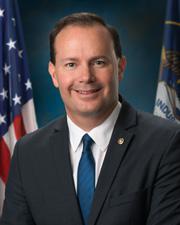
Sponsors and Cosponsors of S 4919
Latest Bills
TRAPS Act
Bill HR 4936September 18, 2026
Apples to Apples Comparison Act of 2025
Bill HR 4093September 18, 2026
American Lending Fairness Act of 2026
Bill HR 7866September 18, 2026
Civil Investigative Demand Reform Act of 2025
Bill HR 1653September 18, 2026
American Reserve Modernization Act of 2026
Bill HR 8957September 18, 2026
Preventive Health Savings Act
Bill HR 4464September 18, 2026
PEARL Act
Bill HR 9327September 18, 2026
Medically Tailored Home-Delivered Meals Program Pilot Act
Bill HR 5439September 18, 2026
To designate the facility of the United States Postal Service located at 117 West Lovett Street in Charlotte, Michigan, as the "Francis C. Flaherty Post Office Building".
Bill HR 9570September 18, 2026
To designate the facility of the United States Postal Service located at 1019 Avenue H in Fort Madison, Iowa, as the "Martin L. Graber Post Office".
Bill HR 4707September 18, 2026