0
0
0
A bill to prohibit the mass cancellation of student loans.
7/26/2024, 10:56 AM
Summary of Bill S 4815
Bill 118 s 4815, also known as the "Student Loan Cancellation Prohibition Act," aims to prevent the mass cancellation of student loans. The bill was introduced in the US Congress to address concerns about the potential impact of widespread student loan forgiveness on the economy and the financial stability of the student loan system.
The bill prohibits the Secretary of Education from canceling or forgiving student loans on a mass scale, meaning that any future student loan forgiveness programs would need to be targeted and specific rather than blanket forgiveness for all borrowers. This is intended to ensure that any student loan forgiveness initiatives are carefully considered and implemented in a way that does not have unintended consequences for borrowers, lenders, or the overall economy.
Supporters of the bill argue that mass student loan forgiveness could create moral hazard by encouraging irresponsible borrowing and could also have negative consequences for taxpayers and the economy. They believe that any student loan forgiveness programs should be targeted to help those who are truly in need and should be accompanied by measures to address the root causes of rising student loan debt. Opponents of the bill argue that student loan debt is a significant burden for many borrowers and that mass cancellation could provide much-needed relief to millions of Americans. They believe that student loan forgiveness could stimulate the economy by freeing up funds for borrowers to spend on other goods and services. Overall, Bill 118 s 4815 represents an ongoing debate about the best way to address the student loan crisis in the United States and highlights the complex trade-offs involved in balancing the needs of borrowers, lenders, and the economy.
The bill prohibits the Secretary of Education from canceling or forgiving student loans on a mass scale, meaning that any future student loan forgiveness programs would need to be targeted and specific rather than blanket forgiveness for all borrowers. This is intended to ensure that any student loan forgiveness initiatives are carefully considered and implemented in a way that does not have unintended consequences for borrowers, lenders, or the overall economy.
Supporters of the bill argue that mass student loan forgiveness could create moral hazard by encouraging irresponsible borrowing and could also have negative consequences for taxpayers and the economy. They believe that any student loan forgiveness programs should be targeted to help those who are truly in need and should be accompanied by measures to address the root causes of rising student loan debt. Opponents of the bill argue that student loan debt is a significant burden for many borrowers and that mass cancellation could provide much-needed relief to millions of Americans. They believe that student loan forgiveness could stimulate the economy by freeing up funds for borrowers to spend on other goods and services. Overall, Bill 118 s 4815 represents an ongoing debate about the best way to address the student loan crisis in the United States and highlights the complex trade-offs involved in balancing the needs of borrowers, lenders, and the economy.
Current Status of Bill S 4815
Bill S 4815 is currently in the status of Bill Introduced since July 25, 2024. Bill S 4815 was introduced during Congress 118 and was introduced to the Senate on July 25, 2024. Bill S 4815's most recent activity was Read twice and referred to the Committee on Health, Education, Labor, and Pensions. as of July 25, 2024
Bipartisan Support of Bill S 4815
Total Number of Sponsors
1Democrat Sponsors
0Republican Sponsors
1Unaffiliated Sponsors
0Total Number of Cosponsors
6Democrat Cosponsors
0Republican Cosponsors
6Unaffiliated Cosponsors
0Policy Area and Potential Impact of Bill S 4815
Primary Policy Focus
Alternate Title(s) of Bill S 4815
A bill to prohibit the mass cancellation of student loans.
A bill to prohibit the mass cancellation of student loans.
Comments
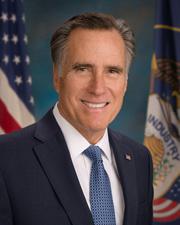
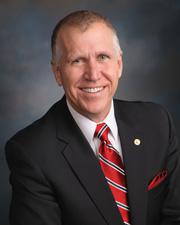
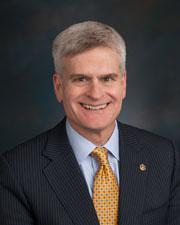
Sponsors and Cosponsors of S 4815

Latest Bills
TRAPS Act
Bill HR 4936September 18, 2026
Apples to Apples Comparison Act of 2025
Bill HR 4093September 18, 2026
American Lending Fairness Act of 2026
Bill HR 7866September 18, 2026
Civil Investigative Demand Reform Act of 2025
Bill HR 1653September 18, 2026
American Reserve Modernization Act of 2026
Bill HR 8957September 18, 2026
Preventive Health Savings Act
Bill HR 4464September 18, 2026
PEARL Act
Bill HR 9327September 18, 2026
Medically Tailored Home-Delivered Meals Program Pilot Act
Bill HR 5439September 18, 2026
To designate the facility of the United States Postal Service located at 117 West Lovett Street in Charlotte, Michigan, as the "Francis C. Flaherty Post Office Building".
Bill HR 9570September 18, 2026
To designate the facility of the United States Postal Service located at 1019 Avenue H in Fort Madison, Iowa, as the "Martin L. Graber Post Office".
Bill HR 4707September 18, 2026