0
0
0
A bill to require benefit eligibility determinations to be made within a certain period of time.
6/18/2024, 10:56 AM
Summary of Bill S 4559
Bill 118 s 4559, also known as the "Benefit Eligibility Determination Timeframe Act," is a proposed piece of legislation in the US Congress that aims to establish a specific timeframe for determining eligibility for government benefits. The bill seeks to address concerns about delays in the benefit eligibility determination process, which can result in individuals waiting for extended periods of time to receive the assistance they need.
If passed, this bill would require government agencies responsible for administering benefits to make eligibility determinations within a certain period of time. This timeframe would be established by the relevant agency and would vary depending on the type of benefit being sought. The goal of this legislation is to ensure that individuals receive timely decisions on their benefit applications, allowing them to access the support they need in a more efficient manner.
Overall, the "Benefit Eligibility Determination Timeframe Act" aims to streamline the benefit eligibility determination process and reduce delays in accessing government assistance. By setting specific timeframes for decision-making, this bill seeks to improve the efficiency and effectiveness of benefit administration, ultimately benefiting individuals who rely on these programs for support.
If passed, this bill would require government agencies responsible for administering benefits to make eligibility determinations within a certain period of time. This timeframe would be established by the relevant agency and would vary depending on the type of benefit being sought. The goal of this legislation is to ensure that individuals receive timely decisions on their benefit applications, allowing them to access the support they need in a more efficient manner.
Overall, the "Benefit Eligibility Determination Timeframe Act" aims to streamline the benefit eligibility determination process and reduce delays in accessing government assistance. By setting specific timeframes for decision-making, this bill seeks to improve the efficiency and effectiveness of benefit administration, ultimately benefiting individuals who rely on these programs for support.
Current Status of Bill S 4559
Bill S 4559 is currently in the status of Bill Introduced since June 17, 2024. Bill S 4559 was introduced during Congress 118 and was introduced to the Senate on June 17, 2024. Bill S 4559's most recent activity was Read twice and referred to the Committee on the Judiciary. as of June 17, 2024
Bipartisan Support of Bill S 4559
Total Number of Sponsors
1Democrat Sponsors
0Republican Sponsors
1Unaffiliated Sponsors
0Total Number of Cosponsors
0Democrat Cosponsors
0Republican Cosponsors
0Unaffiliated Cosponsors
0Policy Area and Potential Impact of Bill S 4559
Primary Policy Focus
Alternate Title(s) of Bill S 4559
A bill to require benefit eligibility determinations to be made within a certain period of time.
A bill to require benefit eligibility determinations to be made within a certain period of time.
Comments
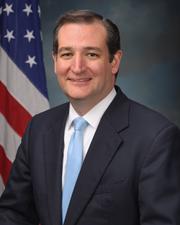
Sponsors and Cosponsors of S 4559
Latest Bills
TRAPS Act
Bill HR 4936September 18, 2026
Apples to Apples Comparison Act of 2025
Bill HR 4093September 18, 2026
American Lending Fairness Act of 2026
Bill HR 7866September 18, 2026
Civil Investigative Demand Reform Act of 2025
Bill HR 1653September 18, 2026
American Reserve Modernization Act of 2026
Bill HR 8957September 18, 2026
Preventive Health Savings Act
Bill HR 4464September 18, 2026
PEARL Act
Bill HR 9327September 18, 2026
Medically Tailored Home-Delivered Meals Program Pilot Act
Bill HR 5439September 18, 2026
To designate the facility of the United States Postal Service located at 117 West Lovett Street in Charlotte, Michigan, as the "Francis C. Flaherty Post Office Building".
Bill HR 9570September 18, 2026
To designate the facility of the United States Postal Service located at 1019 Avenue H in Fort Madison, Iowa, as the "Martin L. Graber Post Office".
Bill HR 4707September 18, 2026