0
0
0
A bill proposing a balanced budget amendment to the Constitution of the United States.
5/8/2024, 10:56 AM
Summary of Bill S 4268
Bill 118 s 4268, also known as the balanced budget amendment, is a proposed legislation that aims to amend the Constitution of the United States in order to require a balanced federal budget. This means that the government would be required to spend no more than it takes in through revenue, effectively eliminating deficit spending.
The bill outlines specific provisions that would need to be met in order to achieve a balanced budget, including limiting federal spending to a certain percentage of the country's Gross Domestic Product (GDP) and requiring a three-fifths majority vote in both the House of Representatives and the Senate in order to approve any budget that exceeds the established spending limits.
Supporters of the bill argue that a balanced budget amendment is necessary in order to ensure fiscal responsibility and prevent the accumulation of unsustainable levels of national debt. They believe that such an amendment would force the government to make tough decisions about spending priorities and would ultimately lead to a more stable and prosperous economy. Opponents of the bill, however, argue that a balanced budget amendment could have negative consequences, such as limiting the government's ability to respond to economic downturns or emergencies. They also point out that the amendment could lead to cuts in important social programs and services, as well as potentially harming economic growth. Overall, the balanced budget amendment proposed in Bill 118 s 4268 is a controversial piece of legislation that has sparked debate among lawmakers and the public. Its fate remains uncertain as it makes its way through the legislative process.
The bill outlines specific provisions that would need to be met in order to achieve a balanced budget, including limiting federal spending to a certain percentage of the country's Gross Domestic Product (GDP) and requiring a three-fifths majority vote in both the House of Representatives and the Senate in order to approve any budget that exceeds the established spending limits.
Supporters of the bill argue that a balanced budget amendment is necessary in order to ensure fiscal responsibility and prevent the accumulation of unsustainable levels of national debt. They believe that such an amendment would force the government to make tough decisions about spending priorities and would ultimately lead to a more stable and prosperous economy. Opponents of the bill, however, argue that a balanced budget amendment could have negative consequences, such as limiting the government's ability to respond to economic downturns or emergencies. They also point out that the amendment could lead to cuts in important social programs and services, as well as potentially harming economic growth. Overall, the balanced budget amendment proposed in Bill 118 s 4268 is a controversial piece of legislation that has sparked debate among lawmakers and the public. Its fate remains uncertain as it makes its way through the legislative process.
Current Status of Bill S 4268
Bill S 4268 is currently in the status of Bill Introduced since May 7, 2024. Bill S 4268 was introduced during Congress 118 and was introduced to the Senate on May 7, 2024. Bill S 4268's most recent activity was Read twice and referred to the Committee on the Judiciary. as of May 7, 2024
Bipartisan Support of Bill S 4268
Total Number of Sponsors
1Democrat Sponsors
1Republican Sponsors
0Unaffiliated Sponsors
0Total Number of Cosponsors
0Democrat Cosponsors
0Republican Cosponsors
0Unaffiliated Cosponsors
0Policy Area and Potential Impact of Bill S 4268
Primary Policy Focus
Alternate Title(s) of Bill S 4268
A bill proposing a balanced budget amendment to the Constitution of the United States.
A bill proposing a balanced budget amendment to the Constitution of the United States.
Comments
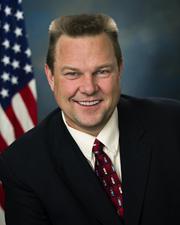
Sponsors and Cosponsors of S 4268
Latest Bills
TRAPS Act
Bill HR 4936September 18, 2026
Apples to Apples Comparison Act of 2025
Bill HR 4093September 18, 2026
American Lending Fairness Act of 2026
Bill HR 7866September 18, 2026
Civil Investigative Demand Reform Act of 2025
Bill HR 1653September 18, 2026
American Reserve Modernization Act of 2026
Bill HR 8957September 18, 2026
Preventive Health Savings Act
Bill HR 4464September 18, 2026
PEARL Act
Bill HR 9327September 18, 2026
Medically Tailored Home-Delivered Meals Program Pilot Act
Bill HR 5439September 18, 2026
To designate the facility of the United States Postal Service located at 117 West Lovett Street in Charlotte, Michigan, as the "Francis C. Flaherty Post Office Building".
Bill HR 9570September 18, 2026
To designate the facility of the United States Postal Service located at 1019 Avenue H in Fort Madison, Iowa, as the "Martin L. Graber Post Office".
Bill HR 4707September 18, 2026