0
0
0
Maintaining Cooperative Permitting Act of 2024
5/14/2024, 12:51 PM
Summary of Bill S 4162
Bill 118 s 4162, also known as the Maintaining Cooperative Permitting Act of 2024, is a piece of legislation introduced in the US Congress. The purpose of this bill is to streamline the permitting process for infrastructure projects by encouraging cooperation between federal, state, and local agencies.
The bill aims to reduce delays and costs associated with obtaining permits for projects such as roads, bridges, and other critical infrastructure. It establishes a framework for federal agencies to work with state and local governments to coordinate permitting processes and ensure timely approvals.
Additionally, the bill includes provisions to improve transparency and accountability in the permitting process. It requires agencies to provide clear guidance to project sponsors and stakeholders, and to track and report on the progress of permit applications. Overall, the Maintaining Cooperative Permitting Act of 2024 seeks to promote efficiency and collaboration in the permitting process, with the goal of accelerating the delivery of much-needed infrastructure projects.
The bill aims to reduce delays and costs associated with obtaining permits for projects such as roads, bridges, and other critical infrastructure. It establishes a framework for federal agencies to work with state and local governments to coordinate permitting processes and ensure timely approvals.
Additionally, the bill includes provisions to improve transparency and accountability in the permitting process. It requires agencies to provide clear guidance to project sponsors and stakeholders, and to track and report on the progress of permit applications. Overall, the Maintaining Cooperative Permitting Act of 2024 seeks to promote efficiency and collaboration in the permitting process, with the goal of accelerating the delivery of much-needed infrastructure projects.
Read the Full Bill
Current Status of Bill S 4162
Bill S 4162 is currently in the status of Bill Introduced since April 18, 2024. Bill S 4162 was introduced during Congress 118 and was introduced to the Senate on April 18, 2024. Bill S 4162's most recent activity was Read twice and referred to the Committee on Environment and Public Works. as of April 18, 2024
Bipartisan Support of Bill S 4162
Total Number of Sponsors
1Democrat Sponsors
0Republican Sponsors
1Unaffiliated Sponsors
0Total Number of Cosponsors
2Democrat Cosponsors
0Republican Cosponsors
2Unaffiliated Cosponsors
0Policy Area and Potential Impact of Bill S 4162
Primary Policy Focus
Environmental ProtectionAlternate Title(s) of Bill S 4162
Maintaining Cooperative Permitting Act of 2024
Maintaining Cooperative Permitting Act of 2024
A bill to ensure that certain permit approvals by the Environmental Protection Agency have the force and effect of law, and for other purposes.
Comments
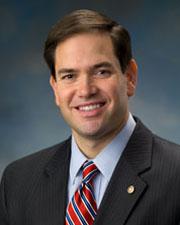
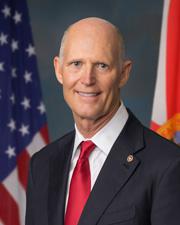
Sponsors and Cosponsors of S 4162
Latest Bills
TRAPS Act
Bill HR 4936September 18, 2026
Apples to Apples Comparison Act of 2025
Bill HR 4093September 18, 2026
American Lending Fairness Act of 2026
Bill HR 7866September 18, 2026
Civil Investigative Demand Reform Act of 2025
Bill HR 1653September 18, 2026
American Reserve Modernization Act of 2026
Bill HR 8957September 18, 2026
Preventive Health Savings Act
Bill HR 4464September 18, 2026
PEARL Act
Bill HR 9327September 18, 2026
Medically Tailored Home-Delivered Meals Program Pilot Act
Bill HR 5439September 18, 2026
To designate the facility of the United States Postal Service located at 117 West Lovett Street in Charlotte, Michigan, as the "Francis C. Flaherty Post Office Building".
Bill HR 9570September 18, 2026
To designate the facility of the United States Postal Service located at 1019 Avenue H in Fort Madison, Iowa, as the "Martin L. Graber Post Office".
Bill HR 4707September 18, 2026