0
0
0
A bill to prohibit the granting or renewing of security clearances to a person who has expressed support for a foreign terrorist organization, the Islamic Revolutionary Guard Corps, or any affiliate of such Corps, including Hamas and Hezbollah, and for other purposes.
4/5/2024, 3:08 PM
Summary of Bill S 3894
Bill 118 s 3894, also known as the "Security Clearance Prohibition Act," aims to prevent individuals who have expressed support for foreign terrorist organizations, specifically the Islamic Revolutionary Guard Corps (IRGC) and its affiliates such as Hamas and Hezbollah, from obtaining or renewing security clearances. The bill seeks to enhance national security by restricting access to sensitive information for individuals who may have ties to these extremist groups.
If passed, this legislation would prohibit government agencies from granting or renewing security clearances to individuals who have openly supported or endorsed these designated terrorist organizations. This measure is intended to safeguard classified information and prevent potential security breaches that could compromise the safety and security of the United States.
The bill does not target individuals based on their religious beliefs or nationality, but rather focuses on preventing individuals with known ties to terrorist organizations from accessing sensitive government information. By implementing this prohibition, the government aims to mitigate the risk of insider threats and protect national security interests. In addition to prohibiting security clearances for individuals with ties to the IRGC, Hamas, and Hezbollah, the bill may also have broader implications for individuals who have expressed support for other foreign terrorist organizations. The legislation is designed to strengthen existing security protocols and prevent individuals with extremist affiliations from obtaining access to classified information within the government. Overall, the Security Clearance Prohibition Act represents a proactive measure to enhance national security and protect against potential threats posed by individuals with ties to foreign terrorist organizations. If enacted, this legislation could have significant implications for individuals seeking security clearances within the federal government.
If passed, this legislation would prohibit government agencies from granting or renewing security clearances to individuals who have openly supported or endorsed these designated terrorist organizations. This measure is intended to safeguard classified information and prevent potential security breaches that could compromise the safety and security of the United States.
The bill does not target individuals based on their religious beliefs or nationality, but rather focuses on preventing individuals with known ties to terrorist organizations from accessing sensitive government information. By implementing this prohibition, the government aims to mitigate the risk of insider threats and protect national security interests. In addition to prohibiting security clearances for individuals with ties to the IRGC, Hamas, and Hezbollah, the bill may also have broader implications for individuals who have expressed support for other foreign terrorist organizations. The legislation is designed to strengthen existing security protocols and prevent individuals with extremist affiliations from obtaining access to classified information within the government. Overall, the Security Clearance Prohibition Act represents a proactive measure to enhance national security and protect against potential threats posed by individuals with ties to foreign terrorist organizations. If enacted, this legislation could have significant implications for individuals seeking security clearances within the federal government.
Read the Full Bill
Current Status of Bill S 3894
Bill S 3894 is currently in the status of Bill Introduced since March 7, 2024. Bill S 3894 was introduced during Congress 118 and was introduced to the Senate on March 7, 2024. Bill S 3894's most recent activity was Read twice and referred to the Committee on Homeland Security and Governmental Affairs. as of March 7, 2024
Bipartisan Support of Bill S 3894
Total Number of Sponsors
1Democrat Sponsors
0Republican Sponsors
1Unaffiliated Sponsors
0Total Number of Cosponsors
0Democrat Cosponsors
0Republican Cosponsors
0Unaffiliated Cosponsors
0Policy Area and Potential Impact of Bill S 3894
Primary Policy Focus
Armed Forces and National SecurityAlternate Title(s) of Bill S 3894
A bill to prohibit the granting or renewing of security clearances to a person who has expressed support for a foreign terrorist organization, the Islamic Revolutionary Guard Corps, or any affiliate of such Corps, including Hamas and Hezbollah, and for other purposes.
No Clearances for Terrorist Sympathizers Act of 2024
No Clearances for Terrorist Sympathizers Act of 2024
A bill to prohibit the granting or renewing of security clearances to a person who has expressed support for a foreign terrorist organization, the Islamic Revolutionary Guard Corps, or any affiliate of such Corps, including Hamas and Hezbollah, and for other purposes.
Comments
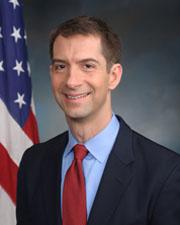
Sponsors and Cosponsors of S 3894
Latest Bills
TRAPS Act
Bill HR 4936September 18, 2026
Apples to Apples Comparison Act of 2025
Bill HR 4093September 18, 2026
American Lending Fairness Act of 2026
Bill HR 7866September 18, 2026
Civil Investigative Demand Reform Act of 2025
Bill HR 1653September 18, 2026
American Reserve Modernization Act of 2026
Bill HR 8957September 18, 2026
Preventive Health Savings Act
Bill HR 4464September 18, 2026
PEARL Act
Bill HR 9327September 18, 2026
Medically Tailored Home-Delivered Meals Program Pilot Act
Bill HR 5439September 18, 2026
To designate the facility of the United States Postal Service located at 117 West Lovett Street in Charlotte, Michigan, as the "Francis C. Flaherty Post Office Building".
Bill HR 9570September 18, 2026
To designate the facility of the United States Postal Service located at 1019 Avenue H in Fort Madison, Iowa, as the "Martin L. Graber Post Office".
Bill HR 4707September 18, 2026