0
0
0
A bill to make 5 percent across-the-board rescissions in non-defense, non-homeland-security, and non-veterans-affairs discretionary spending for each of fiscal years 2024 and 2025.
3/12/2024, 10:45 PM
Summary of Bill S 327
Bill 118 s 327 proposes to implement a 5 percent reduction in non-defense, non-homeland-security, and non-veterans-affairs discretionary spending for the fiscal years 2024 and 2025. This means that a portion of the government's budget allocated for programs and services outside of these specific areas would be cut by 5 percent in each of these years.
The purpose of this bill is to reduce overall government spending and address budgetary concerns. By making across-the-board rescissions in these areas, lawmakers aim to streamline government expenditures and potentially reduce the national deficit.
It is important to note that this bill specifically targets discretionary spending, which refers to funds that are not mandated by law and can be adjusted by Congress each year. This means that mandatory spending, such as entitlement programs like Social Security and Medicare, would not be affected by these cuts. If passed, this legislation would impact a wide range of government programs and services, potentially leading to changes in funding levels and operations for various agencies and initiatives. Supporters argue that these cuts are necessary to promote fiscal responsibility and ensure the long-term financial health of the government, while opponents may raise concerns about the potential impact on essential services and programs. Overall, Bill 118 s 327 represents an effort to address budgetary challenges by implementing targeted spending reductions in specific areas of the federal budget for the fiscal years 2024 and 2025.
The purpose of this bill is to reduce overall government spending and address budgetary concerns. By making across-the-board rescissions in these areas, lawmakers aim to streamline government expenditures and potentially reduce the national deficit.
It is important to note that this bill specifically targets discretionary spending, which refers to funds that are not mandated by law and can be adjusted by Congress each year. This means that mandatory spending, such as entitlement programs like Social Security and Medicare, would not be affected by these cuts. If passed, this legislation would impact a wide range of government programs and services, potentially leading to changes in funding levels and operations for various agencies and initiatives. Supporters argue that these cuts are necessary to promote fiscal responsibility and ensure the long-term financial health of the government, while opponents may raise concerns about the potential impact on essential services and programs. Overall, Bill 118 s 327 represents an effort to address budgetary challenges by implementing targeted spending reductions in specific areas of the federal budget for the fiscal years 2024 and 2025.
Congressional Summary of S 327
This bill requires 5% across-the-board rescissions to FY2024 and FY2025 appropriations provided for any non-defense, non-homeland-security, and non-veterans-affairs discretionary account by any appropriations act.
For the purpose of this bill, a non-defense, non-homeland-security, and non-veterans-affairs discretionary account is a discretionary spending account other than any account
- included in a Department of Defense Appropriations Act;
- included in a Department of Homeland Security Appropriations Act;
- of the Department of Defense or the Department of Veterans Affairs included in a Military Construction, Veterans Affairs, and Related Agencies Appropriations Act; or
- for Department of Energy defense activities included in an Energy and Water Development and Related Agencies Appropriations Act.
Read the Full Bill
Current Status of Bill S 327
Bill S 327 is currently in the status of Bill Introduced since February 9, 2023. Bill S 327 was introduced during Congress 118 and was introduced to the Senate on February 9, 2023. Bill S 327's most recent activity was Read twice and referred to the Committee on Appropriations. as of February 9, 2023
Bipartisan Support of Bill S 327
Total Number of Sponsors
1Democrat Sponsors
0Republican Sponsors
1Unaffiliated Sponsors
0Total Number of Cosponsors
0Democrat Cosponsors
0Republican Cosponsors
0Unaffiliated Cosponsors
0Policy Area and Potential Impact of Bill S 327
Primary Policy Focus
Economics and Public FinanceAlternate Title(s) of Bill S 327
A bill to make 5 percent across-the-board rescissions in non-defense, non-homeland-security, and non-veterans-affairs discretionary spending for each of fiscal years 2024 and 2025.
A bill to make 5 percent across-the-board rescissions in non-defense, non-homeland-security, and non-veterans-affairs discretionary spending for each of fiscal years 2024 and 2025.
Comments
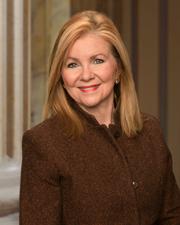
Sponsors and Cosponsors of S 327
Latest Bills
TRAPS Act
Bill HR 4936September 18, 2026
Apples to Apples Comparison Act of 2025
Bill HR 4093September 18, 2026
American Lending Fairness Act of 2026
Bill HR 7866September 18, 2026
Civil Investigative Demand Reform Act of 2025
Bill HR 1653September 18, 2026
American Reserve Modernization Act of 2026
Bill HR 8957September 18, 2026
Preventive Health Savings Act
Bill HR 4464September 18, 2026
PEARL Act
Bill HR 9327September 18, 2026
Medically Tailored Home-Delivered Meals Program Pilot Act
Bill HR 5439September 18, 2026
To designate the facility of the United States Postal Service located at 117 West Lovett Street in Charlotte, Michigan, as the "Francis C. Flaherty Post Office Building".
Bill HR 9570September 18, 2026
To designate the facility of the United States Postal Service located at 1019 Avenue H in Fort Madison, Iowa, as the "Martin L. Graber Post Office".
Bill HR 4707September 18, 2026
A bill to make 1 percent across-the-board rescissions in non-defense, non-homeland-security, and non-veterans-affairs discretionary spending for each of fiscal years 2024 and 2025.
Bill S 331March 12, 2024
A bill to make 2 percent across-the-board rescissions in non-defense, non-homeland-security, and non-veterans-affairs discretionary spending for each of fiscal years 2024 and 2025.
Bill S 330March 12, 2024