0
0
0
GRID Act
12/15/2023, 4:09 PM
Summary of Bill S 3115
The GRID Act, also known as Bill 118 s 3115, is a piece of legislation currently being considered by the US Congress. The purpose of this bill is to address the vulnerabilities in the nation's electric grid and improve its resilience to potential threats, such as cyber attacks and natural disasters.
The GRID Act proposes several key measures to achieve this goal. One of the main provisions of the bill is the establishment of a national strategy for grid security, which would involve coordination between federal, state, and local governments, as well as private sector stakeholders. This strategy would aim to identify and address potential weaknesses in the grid, as well as develop plans for responding to and recovering from grid disruptions.
Additionally, the GRID Act calls for the implementation of new standards and regulations to enhance the security of the electric grid. This would include measures to protect critical infrastructure, such as power plants and transmission lines, from cyber attacks and other threats. The bill also proposes increased funding for research and development of grid security technologies, as well as training programs for grid operators and other personnel. Overall, the GRID Act represents a comprehensive effort to strengthen the nation's electric grid and ensure its reliability in the face of evolving threats. If passed, this legislation could have a significant impact on the security and resilience of the US electric grid for years to come.
The GRID Act proposes several key measures to achieve this goal. One of the main provisions of the bill is the establishment of a national strategy for grid security, which would involve coordination between federal, state, and local governments, as well as private sector stakeholders. This strategy would aim to identify and address potential weaknesses in the grid, as well as develop plans for responding to and recovering from grid disruptions.
Additionally, the GRID Act calls for the implementation of new standards and regulations to enhance the security of the electric grid. This would include measures to protect critical infrastructure, such as power plants and transmission lines, from cyber attacks and other threats. The bill also proposes increased funding for research and development of grid security technologies, as well as training programs for grid operators and other personnel. Overall, the GRID Act represents a comprehensive effort to strengthen the nation's electric grid and ensure its reliability in the face of evolving threats. If passed, this legislation could have a significant impact on the security and resilience of the US electric grid for years to come.
Read the Full Bill
Current Status of Bill S 3115
Bill S 3115 is currently in the status of Bill Introduced since October 24, 2023. Bill S 3115 was introduced during Congress 118 and was introduced to the Senate on October 24, 2023. Bill S 3115's most recent activity was Read twice and referred to the Committee on Energy and Natural Resources. as of October 24, 2023
Bipartisan Support of Bill S 3115
Total Number of Sponsors
1Democrat Sponsors
0Republican Sponsors
1Unaffiliated Sponsors
0Total Number of Cosponsors
2Democrat Cosponsors
2Republican Cosponsors
0Unaffiliated Cosponsors
0Policy Area and Potential Impact of Bill S 3115
Primary Policy Focus
EnergyAlternate Title(s) of Bill S 3115
GRID Act
GRID Act
Grid Resilience Innovation and Development Act
A bill to amend the National Quantum Initiative Act to require the Secretary of Energy to conduct research on how quantum information science, technology, and engineering can enhance the resilience and security of the electric grid, and for other purposes.
Comments
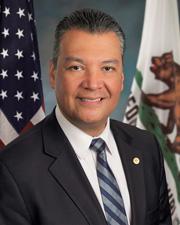
Sponsors and Cosponsors of S 3115

Latest Bills
TRAPS Act
Bill HR 4936September 18, 2026
Apples to Apples Comparison Act of 2025
Bill HR 4093September 18, 2026
American Lending Fairness Act of 2026
Bill HR 7866September 18, 2026
Civil Investigative Demand Reform Act of 2025
Bill HR 1653September 18, 2026
American Reserve Modernization Act of 2026
Bill HR 8957September 18, 2026
Preventive Health Savings Act
Bill HR 4464September 18, 2026
PEARL Act
Bill HR 9327September 18, 2026
Medically Tailored Home-Delivered Meals Program Pilot Act
Bill HR 5439September 18, 2026
To designate the facility of the United States Postal Service located at 117 West Lovett Street in Charlotte, Michigan, as the "Francis C. Flaherty Post Office Building".
Bill HR 9570September 18, 2026
To designate the facility of the United States Postal Service located at 1019 Avenue H in Fort Madison, Iowa, as the "Martin L. Graber Post Office".
Bill HR 4707September 18, 2026
GRID Act
Bill HR 6372December 16, 2023