0
0
0
Pay Less at the Pump Act
3/12/2024, 7:47 AM
Summary of Bill S 1942
The Pay Less at the Pump Act, also known as Bill 118 s 1942, is a piece of legislation currently being considered by the US Congress. The main goal of this bill is to reduce the cost of gasoline for American consumers by implementing various measures to lower gas prices.
One of the key provisions of the Pay Less at the Pump Act is the establishment of a Gas Price Reduction Fund, which would provide financial assistance to gas stations in order to lower the price of gasoline for consumers. This fund would be funded through a combination of federal grants and contributions from oil companies.
Additionally, the bill includes measures to increase transparency in the oil and gas industry, such as requiring oil companies to disclose information about their pricing practices and profit margins. This is intended to ensure that consumers are not being overcharged for gasoline. Furthermore, the Pay Less at the Pump Act includes provisions to promote competition in the oil and gas industry, such as prohibiting price-fixing and collusion among oil companies. This is aimed at preventing monopolistic practices that could drive up gas prices. Overall, the Pay Less at the Pump Act is a comprehensive piece of legislation that seeks to address the issue of high gas prices in the United States. If passed, this bill could potentially lead to lower gas prices for American consumers and increased transparency and competition in the oil and gas industry.
One of the key provisions of the Pay Less at the Pump Act is the establishment of a Gas Price Reduction Fund, which would provide financial assistance to gas stations in order to lower the price of gasoline for consumers. This fund would be funded through a combination of federal grants and contributions from oil companies.
Additionally, the bill includes measures to increase transparency in the oil and gas industry, such as requiring oil companies to disclose information about their pricing practices and profit margins. This is intended to ensure that consumers are not being overcharged for gasoline. Furthermore, the Pay Less at the Pump Act includes provisions to promote competition in the oil and gas industry, such as prohibiting price-fixing and collusion among oil companies. This is aimed at preventing monopolistic practices that could drive up gas prices. Overall, the Pay Less at the Pump Act is a comprehensive piece of legislation that seeks to address the issue of high gas prices in the United States. If passed, this bill could potentially lead to lower gas prices for American consumers and increased transparency and competition in the oil and gas industry.
Congressional Summary of S 1942
Pay Less at the Pump Act
This bill eliminates the excise tax on domestic crude oil and imported petroleum products (known as the petroleum Superfund tax rate) beginning on January 1, 2023. The bill also eliminates the authority for advances to the Hazardous Substance Superfund from the General Fund of the Treasury.
Under current law, the petroleum Superfund tax rate imposed is 16.4 cents per barrel (indexed annually for inflation). Amounts collected from this tax are deposited into the Hazardous Substance Superfund, which finances the remediation of certain environmentally contaminated sites.
Further, under current law, the authority for advances to be appropriated to the Hazardous Substance Superfund extends through 2032.
Read the Full Bill
Current Status of Bill S 1942
Bill S 1942 is currently in the status of Bill Introduced since June 13, 2023. Bill S 1942 was introduced during Congress 118 and was introduced to the Senate on June 13, 2023. Bill S 1942's most recent activity was Read twice and referred to the Committee on Finance. as of June 13, 2023
Bipartisan Support of Bill S 1942
Total Number of Sponsors
1Democrat Sponsors
0Republican Sponsors
1Unaffiliated Sponsors
0Total Number of Cosponsors
18Democrat Cosponsors
0Republican Cosponsors
18Unaffiliated Cosponsors
0Policy Area and Potential Impact of Bill S 1942
Primary Policy Focus
TaxationAlternate Title(s) of Bill S 1942
Pay Less at the Pump Act
Pay Less at the Pump Act
A bill to amend the Internal Revenue Code of 1986 to terminate the Hazardous Substance Superfund financing rate.
Comments
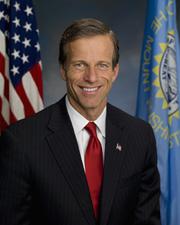
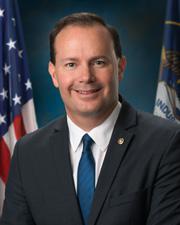
Sponsors and Cosponsors of S 1942




Latest Bills
TRAPS Act
Bill HR 4936September 18, 2026
Apples to Apples Comparison Act of 2025
Bill HR 4093September 18, 2026
American Lending Fairness Act of 2026
Bill HR 7866September 18, 2026
Civil Investigative Demand Reform Act of 2025
Bill HR 1653September 18, 2026
American Reserve Modernization Act of 2026
Bill HR 8957September 18, 2026
Preventive Health Savings Act
Bill HR 4464September 18, 2026
PEARL Act
Bill HR 9327September 18, 2026
Medically Tailored Home-Delivered Meals Program Pilot Act
Bill HR 5439September 18, 2026
To designate the facility of the United States Postal Service located at 117 West Lovett Street in Charlotte, Michigan, as the "Francis C. Flaherty Post Office Building".
Bill HR 9570September 18, 2026
To designate the facility of the United States Postal Service located at 1019 Avenue H in Fort Madison, Iowa, as the "Martin L. Graber Post Office".
Bill HR 4707September 18, 2026
Pay Less at the Pump Act
Bill HR 3678December 15, 2023