0
0
0
COMPOST Act
12/15/2023, 4:05 PM
Summary of Bill S 179
The COMPOST Act, also known as Bill 118 s 179, is a piece of legislation currently being considered by the US Congress. The main goal of this bill is to promote and support the development of composting infrastructure in the United States.
The bill outlines several key provisions, including the establishment of a grant program to provide funding for state and local governments, non-profit organizations, and businesses to develop and expand composting facilities. These grants would be used to purchase equipment, improve infrastructure, and implement composting programs.
Additionally, the COMPOST Act aims to increase public awareness and education about the benefits of composting. This includes funding for outreach campaigns, educational materials, and training programs to help individuals and communities understand the importance of composting and how to properly compost organic waste. The bill also includes provisions to support research and development in the field of composting, with a focus on improving technology, increasing efficiency, and reducing environmental impacts. This research would be funded through grants and partnerships with academic institutions and industry stakeholders. Overall, the COMPOST Act seeks to address the growing issue of organic waste in the United States by promoting sustainable solutions through composting. By investing in infrastructure, education, and research, this legislation aims to reduce waste, protect the environment, and support the growth of a more sustainable economy.
The bill outlines several key provisions, including the establishment of a grant program to provide funding for state and local governments, non-profit organizations, and businesses to develop and expand composting facilities. These grants would be used to purchase equipment, improve infrastructure, and implement composting programs.
Additionally, the COMPOST Act aims to increase public awareness and education about the benefits of composting. This includes funding for outreach campaigns, educational materials, and training programs to help individuals and communities understand the importance of composting and how to properly compost organic waste. The bill also includes provisions to support research and development in the field of composting, with a focus on improving technology, increasing efficiency, and reducing environmental impacts. This research would be funded through grants and partnerships with academic institutions and industry stakeholders. Overall, the COMPOST Act seeks to address the growing issue of organic waste in the United States by promoting sustainable solutions through composting. By investing in infrastructure, education, and research, this legislation aims to reduce waste, protect the environment, and support the growth of a more sustainable economy.
Congressional Summary of S 179
Cultivating Organic Matter through the Promotion Of Sustainable Techniques Act or the COMPOST Act
This bill makes composting a conservation practice and activity for purposes of Department of Agriculture (USDA) conservation programs. The bill also requires USDA to establish a competitive program to award grants and loan guarantees for projects that expand access to food waste composting.
In awarding grants and loans guarantees, USDA must prioritize projects that include the greatest number of the following factors:
- are located in or serving a location with significant access to food waste and no or limited prior access to food waste composting;
- demonstrate the potential to create new capacity for the volume or weight of food waste collected and processed, or make significant gains in the number of people with access to food waste composting facilities or systems;
- demonstrate a plan for following best management practices and producing a high-quality compost product;
- incorporate the participation of small and diverse businesses (e.g., minority-, woman-, and veteran-owned businesses certified by the Small Business Administration);
- create opportunities for hiring and leadership development practices that are inclusive and provide living wages;
- serve disadvantaged and low-income communities, engage Black farmers, Indigenous farmers, and other farmers of color, or incorporate an environmental justice plan or principle; and
- are for a facility or system that accepts or plans to accept and process only source separated organics.
Current Status of Bill S 179
Bill S 179 is currently in the status of Bill Introduced since January 31, 2023. Bill S 179 was introduced during Congress 118 and was introduced to the Senate on January 31, 2023. Bill S 179's most recent activity was Read twice and referred to the Committee on Agriculture, Nutrition, and Forestry. as of January 31, 2023
Bipartisan Support of Bill S 179
Total Number of Sponsors
1Democrat Sponsors
1Republican Sponsors
0Unaffiliated Sponsors
0Total Number of Cosponsors
0Democrat Cosponsors
0Republican Cosponsors
0Unaffiliated Cosponsors
0Policy Area and Potential Impact of Bill S 179
Primary Policy Focus
Agriculture and FoodComments
Sponsors and Cosponsors of S 179

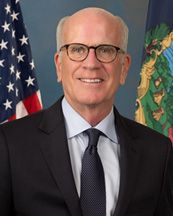

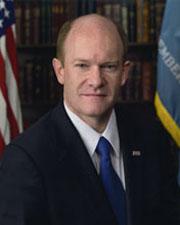
Latest Bills
TRAPS Act
Bill HR 4936September 18, 2026
Apples to Apples Comparison Act of 2025
Bill HR 4093September 18, 2026
American Lending Fairness Act of 2026
Bill HR 7866September 18, 2026
Civil Investigative Demand Reform Act of 2025
Bill HR 1653September 18, 2026
American Reserve Modernization Act of 2026
Bill HR 8957September 18, 2026
Preventive Health Savings Act
Bill HR 4464September 18, 2026
PEARL Act
Bill HR 9327September 18, 2026
Medically Tailored Home-Delivered Meals Program Pilot Act
Bill HR 5439September 18, 2026
To designate the facility of the United States Postal Service located at 117 West Lovett Street in Charlotte, Michigan, as the "Francis C. Flaherty Post Office Building".
Bill HR 9570September 18, 2026
To designate the facility of the United States Postal Service located at 1019 Avenue H in Fort Madison, Iowa, as the "Martin L. Graber Post Office".
Bill HR 4707September 18, 2026