0
0

To amend the Public Health Service Act to end the liability shield for vaccine manufacturers, and for other purposes.

9/26/2024, 8:05 AM

Summary of Bill HR 9828

Bill 118 hr 9828, also known as the "Ending Vaccine Manufacturer Liability Shield Act," aims to amend the Public Health Service Act to remove the liability shield currently in place for vaccine manufacturers. This shield protects manufacturers from being held liable for any injuries or damages caused by their vaccines.

The bill seeks to hold vaccine manufacturers accountable for any harm caused by their products, ensuring that individuals who suffer adverse reactions to vaccines have the ability to seek compensation for their injuries. This change would provide greater transparency and accountability within the vaccine industry, as manufacturers would be incentivized to prioritize safety and efficacy in their products.

In addition to ending the liability shield for vaccine manufacturers, the bill also includes provisions for other purposes related to public health and safety. These additional measures are not specified in the summary, but may include regulations or guidelines aimed at improving vaccine safety and oversight. Overall, Bill 118 hr 9828 represents a significant shift in the legal landscape surrounding vaccine manufacturers, with the potential to impact the way vaccines are developed, tested, and distributed in the United States.

Congressional Summary of HR 9828

End the Vaccine Carveout Act

This bill removes liability protections for manufacturers and administrators for vaccine-related injuries, and removes limitations on bringing civil actions for vaccine-related injuries or seeking compensation, under the National Vaccine Injury Compensation Program (VICP). It also excludes COVID-19 vaccines from liability protections under the Countermeasures Injury Compensation Program (CICP). 

Under current law, the VICP provides compensation for alleged injuries caused by certain routinely administered vaccines. Individuals generally may not file a civil action in court unless a VICP claim is filed and the resulting judgement is rejected. The VICP also limits the types of claims and amount of damages that may be sought (e.g., no liability for unavoidable side effects or failure to directly warn), and it imposes deadlines for filing claims. The bill removes the requirement to first file a claim under the VICP before pursuing a civil action, so individuals alleging vaccine-related injuries may choose to either bring a civil action or utilize the VICP. It also removes the restrictions on the types of civil actions and damages. The bill also removes the deadlines for filing claims under the VICP and applies this change retroactively.

Additionally, under current law, the CICP provides compensation for alleged injuries caused by certain medical countermeasures during public health emergencies, including COVID-19 vaccines. The bill excludes COVID-19 vaccines from being considered as medical countermeasures. Therefore, under the bill, individuals may file civil actions against manufacturers of COVID-19 vaccines rather than filing claims under the CICP.
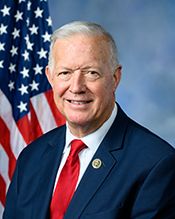
Current Status of Bill HR 9828

Bill HR 9828 is currently in the status of Bill Introduced since September 25, 2024. Bill HR 9828 was introduced during Congress 118 and was introduced to the House on September 25, 2024.  Bill HR 9828's most recent activity was Referred to the House Committee on Energy and Commerce. as of September 25, 2024

Bipartisan Support of Bill HR 9828

Total Number of Sponsors
1
Democrat Sponsors
0
Republican Sponsors
1
Unaffiliated Sponsors
0
Total Number of Cosponsors
30
Democrat Cosponsors
0
Republican Cosponsors
30
Unaffiliated Cosponsors
0

Policy Area and Potential Impact of Bill HR 9828

Primary Policy Focus

Alternate Title(s) of Bill HR 9828

To amend the Public Health Service Act to end the liability shield for vaccine manufacturers, and for other purposes.

Comments

Latest Bills

Ending Discrimination in Government Contracting Act
Bill HR 8511May 14, 2026
Ending Discrimination in Government Contracting Act
Bill S 4390May 14, 2026
To designate the facility of the United States Postal Service located at 201 East Grant Avenue in Georgetown, Ohio, as the "Ulysses S. Grant Post Office Building".
Bill HR 7809May 14, 2026
To designate the facility of the United States Postal Service located at 111 South Tremont Street in Tremonton, Utah, as the "Sorensen-Estrada Post Office".
Bill HR 8225May 14, 2026
To designate the facility of the United States Postal Service located at 189 East Main Street in Xenia, Ohio, as the "Gilman 'Gil' Whitney Post Office Building".
Bill HR 8193May 14, 2026
To designate the facility of the United States Postal Service located at 2200 South Salina Street in Syracuse, New York, as the "Wallie Howard Jr. Post Office Building".
Bill HR 6099May 14, 2026
To designate the facility of the United States Postal Service located at 3817 Marysville Boulevard in Sacramento, California, as the "Grantland Johnson Post Office".
Bill HR 2488May 14, 2026
Providing for congressional disapproval under chapter 8 of title 5, United States Code, of the rule submitted by the Bureau of Consumer Financial Protection relating to the withdrawal of the rule relating to "Bulletin 2022-06: Unfair Returned Deposited Item Fee Assessment Practices".
Bill HJRES 171May 14, 2026
Supporting the mission and goals of National Fentanyl Awareness Day in 2026, including increasing individual and public awareness of the impact of fake or counterfeit fentanyl pills on families and young people.
Bill HRES 1234May 14, 2026
A resolution supporting the mission and goals of National Fentanyl Awareness Day in 2026, including increasing individual and public awareness of the impact of fake or counterfeit fentanyl pills on families and young people.
Bill SRES 704May 14, 2026