0
0
0
Maximum Pressure Act
1/4/2025, 11:17 AM
Summary of Bill HR 6114
Bill 118 hr 6114, also known as the Maximum Pressure Act, is a piece of legislation currently being considered by the US Congress. The purpose of this bill is to increase economic and diplomatic pressure on countries that pose a threat to the national security interests of the United States.
The Maximum Pressure Act outlines a series of measures that the US government can take to exert pressure on these countries. This includes imposing economic sanctions, restricting trade and diplomatic relations, and taking other actions to isolate and weaken the targeted countries.
Supporters of the bill argue that it is necessary to take a strong stance against countries that threaten US national security, and that increasing pressure on these countries will help to deter aggression and protect American interests. They believe that the Maximum Pressure Act will send a clear message to hostile nations that their actions will not be tolerated. Opponents of the bill, however, raise concerns about the potential negative consequences of escalating tensions with other countries. They worry that the increased pressure could lead to retaliation and further destabilize international relations. Critics also argue that the bill gives too much power to the executive branch to unilaterally impose sanctions without sufficient oversight from Congress. Overall, the Maximum Pressure Act is a controversial piece of legislation that has sparked debate among lawmakers and experts. Its fate in Congress remains uncertain as both supporters and opponents continue to make their case for or against the bill.
The Maximum Pressure Act outlines a series of measures that the US government can take to exert pressure on these countries. This includes imposing economic sanctions, restricting trade and diplomatic relations, and taking other actions to isolate and weaken the targeted countries.
Supporters of the bill argue that it is necessary to take a strong stance against countries that threaten US national security, and that increasing pressure on these countries will help to deter aggression and protect American interests. They believe that the Maximum Pressure Act will send a clear message to hostile nations that their actions will not be tolerated. Opponents of the bill, however, raise concerns about the potential negative consequences of escalating tensions with other countries. They worry that the increased pressure could lead to retaliation and further destabilize international relations. Critics also argue that the bill gives too much power to the executive branch to unilaterally impose sanctions without sufficient oversight from Congress. Overall, the Maximum Pressure Act is a controversial piece of legislation that has sparked debate among lawmakers and experts. Its fate in Congress remains uncertain as both supporters and opponents continue to make their case for or against the bill.
Read the Full Bill
Current Status of Bill HR 6114
Bill HR 6114 is currently in the status of Bill Introduced since October 30, 2023. Bill HR 6114 was introduced during Congress 118 and was introduced to the House on October 30, 2023. Bill HR 6114's most recent activity was Referred to the Subcommittee on Trade. as of December 17, 2024
Bipartisan Support of Bill HR 6114
Total Number of Sponsors
3Democrat Sponsors
0Republican Sponsors
3Unaffiliated Sponsors
0Total Number of Cosponsors
106Democrat Cosponsors
0Republican Cosponsors
106Unaffiliated Cosponsors
0Policy Area and Potential Impact of Bill HR 6114
Primary Policy Focus
International AffairsAlternate Title(s) of Bill HR 6114
Maximum Pressure Act
Maximum Pressure Act
To impose additional sanctions with respect to Iran and modify other existing sanctions with respect to Iran, and for other purposes.
Comments
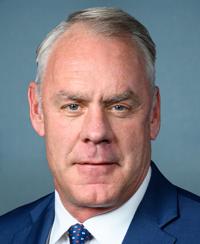
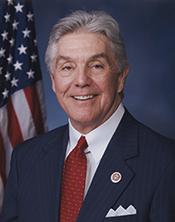
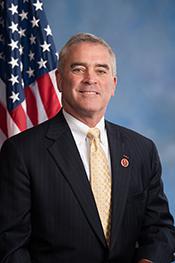
Sponsors and Cosponsors of HR 6114



Latest Bills
TRAPS Act
Bill HR 4936September 18, 2026
Apples to Apples Comparison Act of 2025
Bill HR 4093September 18, 2026
American Lending Fairness Act of 2026
Bill HR 7866September 18, 2026
Civil Investigative Demand Reform Act of 2025
Bill HR 1653September 18, 2026
American Reserve Modernization Act of 2026
Bill HR 8957September 18, 2026
Preventive Health Savings Act
Bill HR 4464September 18, 2026
PEARL Act
Bill HR 9327September 18, 2026
Medically Tailored Home-Delivered Meals Program Pilot Act
Bill HR 5439September 18, 2026
To designate the facility of the United States Postal Service located at 117 West Lovett Street in Charlotte, Michigan, as the "Francis C. Flaherty Post Office Building".
Bill HR 9570September 18, 2026
To designate the facility of the United States Postal Service located at 1019 Avenue H in Fort Madison, Iowa, as the "Martin L. Graber Post Office".
Bill HR 4707September 18, 2026
Iran Sanctions Relief Review Act
Bill S 2210March 14, 2024
Iran Sanctions Relief Review Act of 2023
Bill HR 4691December 15, 2023
Closing IRGC Sanctions Loopholes Act
Bill HR 2958December 15, 2023