0
0
0
Medicare Access to Rural Anesthesiology Act of 2023
12/20/2024, 9:05 AM
Summary of Bill HR 5256
Bill 118 HR 5256, also known as the Medicare Access to Rural Anesthesiology Act of 2023, aims to address the shortage of anesthesiologists in rural areas by increasing access to anesthesia services for Medicare beneficiaries in these underserved regions. The bill proposes several key provisions to achieve this goal.
First, the bill would establish a payment incentive program to encourage anesthesiologists to practice in rural areas. This program would provide financial incentives to anesthesiologists who choose to work in rural hospitals or clinics, helping to attract and retain these crucial healthcare providers in underserved communities.
Second, the bill would expand telemedicine services for anesthesia consultations in rural areas. By leveraging technology, this provision would allow anesthesiologists to remotely consult with patients and healthcare providers in rural areas, improving access to anesthesia services for Medicare beneficiaries who may not have easy access to these specialists. Additionally, the bill would support training programs for nurse anesthetists and other advanced practice providers in rural areas. By investing in the education and training of these healthcare professionals, the bill aims to increase the capacity of rural healthcare facilities to provide anesthesia services to Medicare beneficiaries. Overall, the Medicare Access to Rural Anesthesiology Act of 2023 seeks to address the disparities in access to anesthesia services in rural areas by incentivizing anesthesiologists to practice in these underserved regions, expanding telemedicine services, and supporting the training of advanced practice providers. By improving access to anesthesia care for Medicare beneficiaries in rural areas, this bill has the potential to enhance healthcare outcomes and quality of life for individuals living in these communities.
First, the bill would establish a payment incentive program to encourage anesthesiologists to practice in rural areas. This program would provide financial incentives to anesthesiologists who choose to work in rural hospitals or clinics, helping to attract and retain these crucial healthcare providers in underserved communities.
Second, the bill would expand telemedicine services for anesthesia consultations in rural areas. By leveraging technology, this provision would allow anesthesiologists to remotely consult with patients and healthcare providers in rural areas, improving access to anesthesia services for Medicare beneficiaries who may not have easy access to these specialists. Additionally, the bill would support training programs for nurse anesthetists and other advanced practice providers in rural areas. By investing in the education and training of these healthcare professionals, the bill aims to increase the capacity of rural healthcare facilities to provide anesthesia services to Medicare beneficiaries. Overall, the Medicare Access to Rural Anesthesiology Act of 2023 seeks to address the disparities in access to anesthesia services in rural areas by incentivizing anesthesiologists to practice in these underserved regions, expanding telemedicine services, and supporting the training of advanced practice providers. By improving access to anesthesia care for Medicare beneficiaries in rural areas, this bill has the potential to enhance healthcare outcomes and quality of life for individuals living in these communities.
Congressional Summary of HR 5256
Medicare Access to Rural Anesthesiology Act of 2023
This bill requires the Centers for Medicare & Medicaid Services (CMS) to provide Medicare payment on a reasonable-cost basis for anesthesia services furnished by an anesthesiologist in a rural hospital. Specifically, the CMS shall provide payment for such services in the same manner as payment is provided under current law for services furnished in a rural hospital by a certified registered nurse anesthetist.
Read the Full Bill
Current Status of Bill HR 5256
Bill HR 5256 is currently in the status of Bill Introduced since August 22, 2023. Bill HR 5256 was introduced during Congress 118 and was introduced to the House on August 22, 2023. Bill HR 5256's most recent activity was Referred to the Subcommittee on Health. as of December 17, 2024
Bipartisan Support of Bill HR 5256
Total Number of Sponsors
2Democrat Sponsors
0Republican Sponsors
2Unaffiliated Sponsors
0Total Number of Cosponsors
17Democrat Cosponsors
5Republican Cosponsors
12Unaffiliated Cosponsors
0Policy Area and Potential Impact of Bill HR 5256
Primary Policy Focus
HealthAlternate Title(s) of Bill HR 5256
Medicare Access to Rural Anesthesiology Act of 2023
Medicare Access to Rural Anesthesiology Act of 2023
To amend title XVIII of the Social Security Act to provide payment under part A of the Medicare Program on a reasonable cost basis for anesthesia services furnished by an anesthesiologist in certain rural hospitals in the same manner as payments are provided for anesthesia services furnished by anesthesiologist assistants and certified registered nurse anesthetists in such hospitals, and for other purposes.
Comments
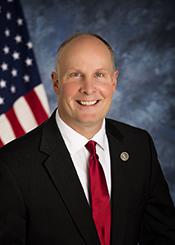
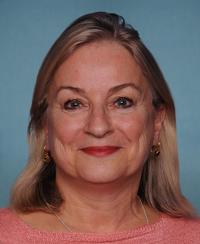
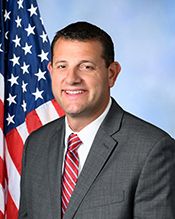
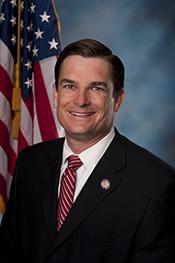
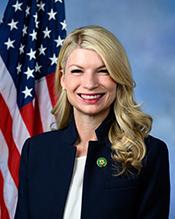
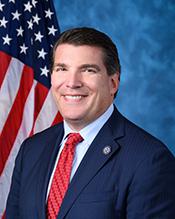
Sponsors and Cosponsors of HR 5256
Latest Bills
TRAPS Act
Bill HR 4936September 18, 2026
Apples to Apples Comparison Act of 2025
Bill HR 4093September 18, 2026
American Lending Fairness Act of 2026
Bill HR 7866September 18, 2026
Civil Investigative Demand Reform Act of 2025
Bill HR 1653September 18, 2026
American Reserve Modernization Act of 2026
Bill HR 8957September 18, 2026
Preventive Health Savings Act
Bill HR 4464September 18, 2026
PEARL Act
Bill HR 9327September 18, 2026
Medically Tailored Home-Delivered Meals Program Pilot Act
Bill HR 5439September 18, 2026
To designate the facility of the United States Postal Service located at 117 West Lovett Street in Charlotte, Michigan, as the "Francis C. Flaherty Post Office Building".
Bill HR 9570September 18, 2026
To designate the facility of the United States Postal Service located at 1019 Avenue H in Fort Madison, Iowa, as the "Martin L. Graber Post Office".
Bill HR 4707September 18, 2026