0
0
0
Food Worker Pay Standards Act
2/5/2024, 11:45 AM
Summary of Bill HR 4559
Bill 118 hr 4559, also known as the Food Worker Pay Standards Act, is a piece of legislation currently being considered by the US Congress. The main goal of this bill is to establish minimum pay standards for food workers across the country.
Under this proposed legislation, food workers would be guaranteed a minimum wage of $15 per hour, which is higher than the current federal minimum wage of $7.25 per hour. This increase in pay is intended to help food workers make ends meet and improve their quality of life.
In addition to setting a minimum wage, the Food Worker Pay Standards Act also includes provisions for paid sick leave and overtime pay for food workers. This is aimed at ensuring that food workers are able to take time off when they are sick without losing income, and that they are fairly compensated for any overtime work they may be required to do. Overall, the Food Worker Pay Standards Act is designed to improve the working conditions and financial security of food workers in the United States. It is currently being debated in Congress, and its fate will ultimately be decided by lawmakers in the coming months.
Under this proposed legislation, food workers would be guaranteed a minimum wage of $15 per hour, which is higher than the current federal minimum wage of $7.25 per hour. This increase in pay is intended to help food workers make ends meet and improve their quality of life.
In addition to setting a minimum wage, the Food Worker Pay Standards Act also includes provisions for paid sick leave and overtime pay for food workers. This is aimed at ensuring that food workers are able to take time off when they are sick without losing income, and that they are fairly compensated for any overtime work they may be required to do. Overall, the Food Worker Pay Standards Act is designed to improve the working conditions and financial security of food workers in the United States. It is currently being debated in Congress, and its fate will ultimately be decided by lawmakers in the coming months.
Congressional Summary of HR 4559
Food Worker Pay Standards Act
This bill prohibits the Department of Agriculture from purchasing any meat, meat food product, poultry, poultry food product, or processed food produced by workers in the United States who are compensated at a rate lower than the prevailing rate for wages and fringe benefits for such workers in their locality.
The Department of Labor must determine the prevailing rates and in determining such rates shall take into account any applicable existing collective bargaining agreements in the locality. A prevailing rate established pursuant to this bill must not supersede a worker's wages and benefits agreed to in a collective bargaining agreement.
Read the Full Bill
Current Status of Bill HR 4559
Bill HR 4559 is currently in the status of Bill Introduced since July 11, 2023. Bill HR 4559 was introduced during Congress 118 and was introduced to the House on July 11, 2023. Bill HR 4559's most recent activity was Referred to the Subcommittee on Livestock, Dairy, and Poultry. as of August 24, 2023
Bipartisan Support of Bill HR 4559
Total Number of Sponsors
1Democrat Sponsors
1Republican Sponsors
0Unaffiliated Sponsors
0Total Number of Cosponsors
2Democrat Cosponsors
2Republican Cosponsors
0Unaffiliated Cosponsors
0Policy Area and Potential Impact of Bill HR 4559
Primary Policy Focus
Government Operations and PoliticsPotential Impact Areas
- Employee benefits and pensions
- Food industry and services
- Meat
- Public contracts and procurement
- Wages and earnings
Alternate Title(s) of Bill HR 4559
Food Worker Pay Standards Act
Food Worker Pay Standards Act
To require fair pay for workers employed by companies who provide meat, meat food products, poultry, poultry food products, and processed food to the Federal Government.
Comments
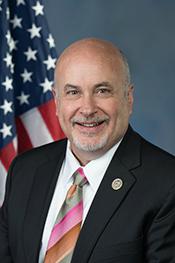
Sponsors and Cosponsors of HR 4559

Latest Bills
TRAPS Act
Bill HR 4936September 18, 2026
Apples to Apples Comparison Act of 2025
Bill HR 4093September 18, 2026
American Lending Fairness Act of 2026
Bill HR 7866September 18, 2026
Civil Investigative Demand Reform Act of 2025
Bill HR 1653September 18, 2026
American Reserve Modernization Act of 2026
Bill HR 8957September 18, 2026
Preventive Health Savings Act
Bill HR 4464September 18, 2026
PEARL Act
Bill HR 9327September 18, 2026
Medically Tailored Home-Delivered Meals Program Pilot Act
Bill HR 5439September 18, 2026
To designate the facility of the United States Postal Service located at 117 West Lovett Street in Charlotte, Michigan, as the "Francis C. Flaherty Post Office Building".
Bill HR 9570September 18, 2026
To designate the facility of the United States Postal Service located at 1019 Avenue H in Fort Madison, Iowa, as the "Martin L. Graber Post Office".
Bill HR 4707September 18, 2026
Agricultural Worker Justice Act
Bill S 2601March 13, 2024
Agricultural Worker Justice Act
Bill HR 4978March 8, 2024