0
0
0
Naturally Offsetting Emissions by Managing and Implementing Tillage Strategies Act of 2023
2/5/2024, 11:45 AM
Summary of Bill HR 4163
Bill 118 HR 4163, also known as the Naturally Offsetting Emissions by Managing and Implementing Tillage Strategies Act of 2023, aims to address the issue of greenhouse gas emissions in the agricultural sector. The bill focuses on promoting sustainable tillage practices that can help reduce carbon emissions and mitigate the effects of climate change.
The key provisions of the bill include funding for research and development of innovative tillage strategies that can help sequester carbon in the soil. This includes promoting conservation tillage practices, such as no-till farming, which can help reduce soil erosion and improve soil health. The bill also provides incentives for farmers to adopt these practices through grants and technical assistance programs.
Additionally, the bill includes measures to support the development of carbon markets for agricultural producers. This would allow farmers to earn credits for sequestering carbon in their soil, which can then be sold on the market to companies looking to offset their own emissions. This creates a financial incentive for farmers to adopt sustainable tillage practices and helps to create a more sustainable agricultural industry. Overall, Bill 118 HR 4163 aims to promote sustainable agriculture practices that can help reduce greenhouse gas emissions and mitigate the effects of climate change. By supporting research, providing incentives, and creating new market opportunities, the bill seeks to encourage farmers to adopt practices that are beneficial for both the environment and their bottom line.
The key provisions of the bill include funding for research and development of innovative tillage strategies that can help sequester carbon in the soil. This includes promoting conservation tillage practices, such as no-till farming, which can help reduce soil erosion and improve soil health. The bill also provides incentives for farmers to adopt these practices through grants and technical assistance programs.
Additionally, the bill includes measures to support the development of carbon markets for agricultural producers. This would allow farmers to earn credits for sequestering carbon in their soil, which can then be sold on the market to companies looking to offset their own emissions. This creates a financial incentive for farmers to adopt sustainable tillage practices and helps to create a more sustainable agricultural industry. Overall, Bill 118 HR 4163 aims to promote sustainable agriculture practices that can help reduce greenhouse gas emissions and mitigate the effects of climate change. By supporting research, providing incentives, and creating new market opportunities, the bill seeks to encourage farmers to adopt practices that are beneficial for both the environment and their bottom line.
Congressional Summary of HR 4163
Naturally Offsetting Emissions by Managing and Implementing Tillage Strategies Act of 2023 or the NO EMITS Act of 2023
This bill directs the Department of Agriculture (USDA) to carry out activities to improve soil health, including to address climate change.
Specifically, USDA must
- establish a program that provides agricultural producers incentives (i.e., payments) for and technical assistance with adopting or maintaining practices or cropping systems to improve soil health,
- award grants to states and Indian tribes for implementing soil health programs, and
- use a portion of funds of the Commodity Credit Corporation to provide agricultural producers with technical assistance for mitigating and adapting to climate change.
The bill also (1) makes practices related to livestock production eligible for certain competitive grants under the On-Farm Conservation Innovation Trials program, and (2) increases funding for the program.
Read the Full Bill
Current Status of Bill HR 4163
Bill HR 4163 is currently in the status of Bill Introduced since June 15, 2023. Bill HR 4163 was introduced during Congress 118 and was introduced to the House on June 15, 2023. Bill HR 4163's most recent activity was Referred to the Subcommittee on Conservation, Research, and Biotechnology. as of September 19, 2023
Bipartisan Support of Bill HR 4163
Total Number of Sponsors
1Democrat Sponsors
0Republican Sponsors
1Unaffiliated Sponsors
0Total Number of Cosponsors
10Democrat Cosponsors
4Republican Cosponsors
6Unaffiliated Cosponsors
0Policy Area and Potential Impact of Bill HR 4163
Primary Policy Focus
Agriculture and FoodPotential Impact Areas
- Accounting and auditing
- Agricultural conservation and pollution
- Agricultural practices and innovations
- Air quality
- Climate change and greenhouse gases
- Commodity Credit Corporation
- Farmland
- Government corporations and government-sponsored enterprises
- Livestock
- Public contracts and procurement
Alternate Title(s) of Bill HR 4163
Naturally Offsetting Emissions by Managing and Implementing Tillage Strategies Act of 2023
Naturally Offsetting Emissions by Managing and Implementing Tillage Strategies Act of 2023
To amend the Food Security Act of 1985 to optimize the sequestration of carbon and the reduction of net emissions through agricultural practices, and for other purposes.
Comments
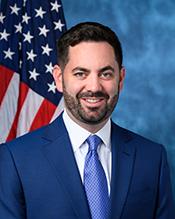
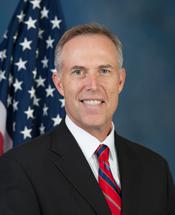
Sponsors and Cosponsors of HR 4163
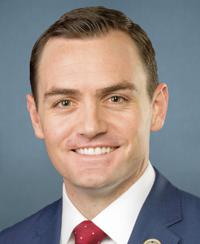
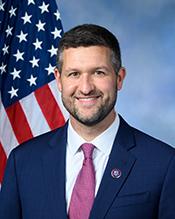
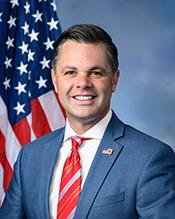
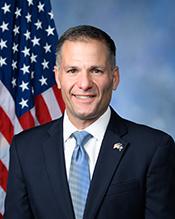
Latest Bills
TRAPS Act
Bill HR 4936September 18, 2026
Apples to Apples Comparison Act of 2025
Bill HR 4093September 18, 2026
American Lending Fairness Act of 2026
Bill HR 7866September 18, 2026
Civil Investigative Demand Reform Act of 2025
Bill HR 1653September 18, 2026
American Reserve Modernization Act of 2026
Bill HR 8957September 18, 2026
Preventive Health Savings Act
Bill HR 4464September 18, 2026
PEARL Act
Bill HR 9327September 18, 2026
Medically Tailored Home-Delivered Meals Program Pilot Act
Bill HR 5439September 18, 2026
To designate the facility of the United States Postal Service located at 117 West Lovett Street in Charlotte, Michigan, as the "Francis C. Flaherty Post Office Building".
Bill HR 9570September 18, 2026
To designate the facility of the United States Postal Service located at 1019 Avenue H in Fort Madison, Iowa, as the "Martin L. Graber Post Office".
Bill HR 4707September 18, 2026