0
0
0
No Altering Public Comments Act
12/15/2023, 3:59 PM
Summary of Bill HR 4113
Bill 118 HR 4113, also known as the No Altering Public Comments Act, is a piece of legislation currently being considered by the US Congress. The purpose of this bill is to prevent government agencies from altering or manipulating public comments submitted during the rulemaking process.
The bill specifically prohibits any federal agency from altering, modifying, or suppressing public comments submitted by individuals or organizations during the rulemaking process. It also requires agencies to maintain a record of all public comments received and to make these comments publicly available in their original form.
The No Altering Public Comments Act aims to promote transparency and accountability in the rulemaking process by ensuring that the public's input is accurately reflected and considered by government agencies. By preventing agencies from altering or suppressing public comments, the bill seeks to uphold the principles of open government and democratic participation. Overall, the No Altering Public Comments Act is a bipartisan effort to protect the integrity of the rulemaking process and ensure that the voices of the public are heard and respected by federal agencies. If passed, this bill would help to strengthen public trust in the regulatory process and promote greater transparency and accountability in government decision-making.
The bill specifically prohibits any federal agency from altering, modifying, or suppressing public comments submitted by individuals or organizations during the rulemaking process. It also requires agencies to maintain a record of all public comments received and to make these comments publicly available in their original form.
The No Altering Public Comments Act aims to promote transparency and accountability in the rulemaking process by ensuring that the public's input is accurately reflected and considered by government agencies. By preventing agencies from altering or suppressing public comments, the bill seeks to uphold the principles of open government and democratic participation. Overall, the No Altering Public Comments Act is a bipartisan effort to protect the integrity of the rulemaking process and ensure that the voices of the public are heard and respected by federal agencies. If passed, this bill would help to strengthen public trust in the regulatory process and promote greater transparency and accountability in government decision-making.
Read the Full Bill
Current Status of Bill HR 4113
Bill HR 4113 is currently in the status of Bill Introduced since June 14, 2023. Bill HR 4113 was introduced during Congress 118 and was introduced to the House on June 14, 2023. Bill HR 4113's most recent activity was Referred to the House Committee on Oversight and Accountability. as of June 14, 2023
Bipartisan Support of Bill HR 4113
Total Number of Sponsors
1Democrat Sponsors
0Republican Sponsors
1Unaffiliated Sponsors
0Total Number of Cosponsors
6Democrat Cosponsors
0Republican Cosponsors
6Unaffiliated Cosponsors
0Policy Area and Potential Impact of Bill HR 4113
Primary Policy Focus
Government Operations and PoliticsAlternate Title(s) of Bill HR 4113
No Altering Public Comments Act
No Altering Public Comments Act
To prohibit agencies from removing or altering public comments on their websites.
Comments
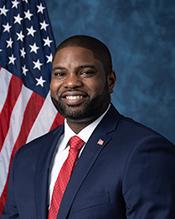
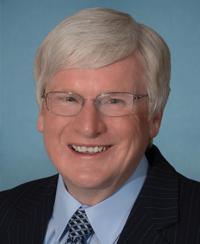
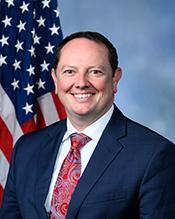
Sponsors and Cosponsors of HR 4113

Latest Bills
TRAPS Act
Bill HR 4936September 18, 2026
Apples to Apples Comparison Act of 2025
Bill HR 4093September 18, 2026
American Lending Fairness Act of 2026
Bill HR 7866September 18, 2026
Civil Investigative Demand Reform Act of 2025
Bill HR 1653September 18, 2026
American Reserve Modernization Act of 2026
Bill HR 8957September 18, 2026
Preventive Health Savings Act
Bill HR 4464September 18, 2026
PEARL Act
Bill HR 9327September 18, 2026
Medically Tailored Home-Delivered Meals Program Pilot Act
Bill HR 5439September 18, 2026
To designate the facility of the United States Postal Service located at 117 West Lovett Street in Charlotte, Michigan, as the "Francis C. Flaherty Post Office Building".
Bill HR 9570September 18, 2026
To designate the facility of the United States Postal Service located at 1019 Avenue H in Fort Madison, Iowa, as the "Martin L. Graber Post Office".
Bill HR 4707September 18, 2026