0
0
0
Studying Suboxone Act
1/3/2024, 5:45 PM
Summary of Bill HR 4053
Bill 118 HR 4053, also known as the Studying Suboxone Act, is a piece of legislation introduced in the US Congress. The purpose of this bill is to authorize the Department of Health and Human Services to conduct a study on the effectiveness of Suboxone in treating opioid addiction.
Suboxone is a medication commonly used in medication-assisted treatment for opioid addiction. It contains a combination of buprenorphine and naloxone, which work together to reduce cravings and withdrawal symptoms in individuals struggling with opioid dependence.
The Studying Suboxone Act aims to gather data and research on the use of Suboxone in treating opioid addiction, including its effectiveness, safety, and potential side effects. This information will be crucial in informing policymakers and healthcare providers on the best practices for treating opioid addiction and reducing the harm caused by the opioid epidemic. Overall, Bill 118 HR 4053 seeks to improve our understanding of Suboxone as a treatment option for opioid addiction and to ultimately improve outcomes for individuals struggling with substance use disorders. It highlights the importance of evidence-based research in addressing the ongoing public health crisis of opioid addiction in the United States.
Suboxone is a medication commonly used in medication-assisted treatment for opioid addiction. It contains a combination of buprenorphine and naloxone, which work together to reduce cravings and withdrawal symptoms in individuals struggling with opioid dependence.
The Studying Suboxone Act aims to gather data and research on the use of Suboxone in treating opioid addiction, including its effectiveness, safety, and potential side effects. This information will be crucial in informing policymakers and healthcare providers on the best practices for treating opioid addiction and reducing the harm caused by the opioid epidemic. Overall, Bill 118 HR 4053 seeks to improve our understanding of Suboxone as a treatment option for opioid addiction and to ultimately improve outcomes for individuals struggling with substance use disorders. It highlights the importance of evidence-based research in addressing the ongoing public health crisis of opioid addiction in the United States.
Read the Full Bill
Current Status of Bill HR 4053
Bill HR 4053 is currently in the status of Bill Introduced since June 13, 2023. Bill HR 4053 was introduced during Congress 118 and was introduced to the House on June 13, 2023. Bill HR 4053's most recent activity was Referred to the Subcommittee on Health. as of June 16, 2023
Bipartisan Support of Bill HR 4053
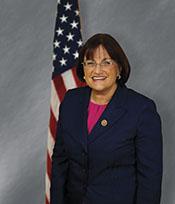
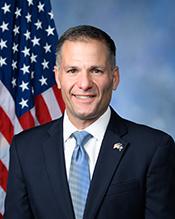
Total Number of Sponsors
1Democrat Sponsors
1Republican Sponsors
0Unaffiliated Sponsors
0Total Number of Cosponsors
6Democrat Cosponsors
2Republican Cosponsors
4Unaffiliated Cosponsors
0Policy Area and Potential Impact of Bill HR 4053
Primary Policy Focus
HealthAlternate Title(s) of Bill HR 4053
Studying Suboxone Act
Studying Suboxone Act
To provide for the review of the scheduling under the Controlled Substances Act of buprenorphine-naloxone combination products, and for other purposes.
Comments
Sponsors and Cosponsors of HR 4053


Latest Bills
TRAPS Act
Bill HR 4936September 18, 2026
Apples to Apples Comparison Act of 2025
Bill HR 4093September 18, 2026
American Lending Fairness Act of 2026
Bill HR 7866September 18, 2026
Civil Investigative Demand Reform Act of 2025
Bill HR 1653September 18, 2026
American Reserve Modernization Act of 2026
Bill HR 8957September 18, 2026
Preventive Health Savings Act
Bill HR 4464September 18, 2026
PEARL Act
Bill HR 9327September 18, 2026
Medically Tailored Home-Delivered Meals Program Pilot Act
Bill HR 5439September 18, 2026
To designate the facility of the United States Postal Service located at 117 West Lovett Street in Charlotte, Michigan, as the "Francis C. Flaherty Post Office Building".
Bill HR 9570September 18, 2026
To designate the facility of the United States Postal Service located at 1019 Avenue H in Fort Madison, Iowa, as the "Martin L. Graber Post Office".
Bill HR 4707September 18, 2026