0
0
0
Small Business Flexibility Act
12/12/2023, 6:26 AM
Summary of Bill HR 3798
Bill 118 HR 3798, also known as the Small Business Flexibility Act, aims to provide small businesses with more flexibility in how they use funds received through the Paycheck Protection Program (PPP). The PPP was established to provide financial assistance to small businesses struggling during the COVID-19 pandemic.
The Small Business Flexibility Act would extend the covered period for PPP loan forgiveness from 8 weeks to 24 weeks, giving small businesses more time to use the funds in a way that maximizes forgiveness. This extension would allow businesses to use the funds for a longer period of time, potentially helping them to retain employees and keep their businesses afloat.
Additionally, the bill would reduce the requirement for businesses to use 75% of the loan amount for payroll costs in order to qualify for full loan forgiveness. Under the Small Business Flexibility Act, businesses would only need to use 60% of the loan amount for payroll costs, giving them more flexibility to use the remaining funds for other expenses such as rent, utilities, and mortgage interest. Overall, the Small Business Flexibility Act aims to provide small businesses with the flexibility they need to weather the economic challenges brought on by the COVID-19 pandemic. By extending the covered period for loan forgiveness and reducing the payroll cost requirement, this bill seeks to support small businesses in their efforts to survive and recover from the financial impacts of the pandemic.
The Small Business Flexibility Act would extend the covered period for PPP loan forgiveness from 8 weeks to 24 weeks, giving small businesses more time to use the funds in a way that maximizes forgiveness. This extension would allow businesses to use the funds for a longer period of time, potentially helping them to retain employees and keep their businesses afloat.
Additionally, the bill would reduce the requirement for businesses to use 75% of the loan amount for payroll costs in order to qualify for full loan forgiveness. Under the Small Business Flexibility Act, businesses would only need to use 60% of the loan amount for payroll costs, giving them more flexibility to use the remaining funds for other expenses such as rent, utilities, and mortgage interest. Overall, the Small Business Flexibility Act aims to provide small businesses with the flexibility they need to weather the economic challenges brought on by the COVID-19 pandemic. By extending the covered period for loan forgiveness and reducing the payroll cost requirement, this bill seeks to support small businesses in their efforts to survive and recover from the financial impacts of the pandemic.
Read the Full Bill
Current Status of Bill HR 3798
Bill HR 3798 is currently in the status of Bill Introduced since June 5, 2023. Bill HR 3798 was introduced during Congress 118 and was introduced to the House on June 5, 2023. Bill HR 3798's most recent activity was Placed on the Union Calendar, Calendar No. 82. as of June 12, 2023
Bipartisan Support of Bill HR 3798
Total Number of Sponsors
1Democrat Sponsors
0Republican Sponsors
1Unaffiliated Sponsors
0Total Number of Cosponsors
0Democrat Cosponsors
0Republican Cosponsors
0Unaffiliated Cosponsors
0Policy Area and Potential Impact of Bill HR 3798
Primary Policy Focus
TaxationPotential Impact Areas
- Employee benefits and pensions
- Health care costs and insurance
- Health care coverage and access
- Small business
Alternate Title(s) of Bill HR 3798
Small Business Flexibility Act
Small Business Flexibility Act
Small Business Flexibility Act
To amend the Internal Revenue Code of 1986 to inform employers of flexible health insurance benefits.
Comments
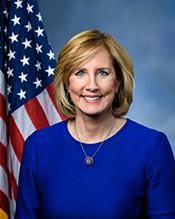
Sponsors and Cosponsors of HR 3798
Latest Bills
TRAPS Act
Bill HR 4936September 18, 2026
Apples to Apples Comparison Act of 2025
Bill HR 4093September 18, 2026
American Lending Fairness Act of 2026
Bill HR 7866September 18, 2026
Civil Investigative Demand Reform Act of 2025
Bill HR 1653September 18, 2026
American Reserve Modernization Act of 2026
Bill HR 8957September 18, 2026
Preventive Health Savings Act
Bill HR 4464September 18, 2026
PEARL Act
Bill HR 9327September 18, 2026
Medically Tailored Home-Delivered Meals Program Pilot Act
Bill HR 5439September 18, 2026
To designate the facility of the United States Postal Service located at 117 West Lovett Street in Charlotte, Michigan, as the "Francis C. Flaherty Post Office Building".
Bill HR 9570September 18, 2026
To designate the facility of the United States Postal Service located at 1019 Avenue H in Fort Madison, Iowa, as the "Martin L. Graber Post Office".
Bill HR 4707September 18, 2026
CHOICE Arrangement Act
Bill HR 3799December 12, 2023