0
0
0
Beautifying Federal Civic Architecture Act
12/15/2023, 3:58 PM
Summary of Bill HR 3627
Bill 118 hr 3627, also known as the Beautifying Federal Civic Architecture Act, aims to promote the classical architectural style for federal buildings in the United States. The bill was introduced in the House of Representatives on June 25, 2021, by Representative Jeff Duncan from South Carolina.
The main purpose of this bill is to require that all federal buildings constructed or renovated after the enactment of the bill adhere to the principles of classical architecture. This means that federal buildings should be designed in a way that reflects the traditional architectural styles that have been used in the United States for centuries.
Proponents of the bill argue that promoting classical architecture for federal buildings will help create a sense of unity and continuity in the nation's architectural landscape. They believe that classical architecture is timeless and represents the values and ideals of the American people. Opponents of the bill, however, argue that mandating a specific architectural style for federal buildings limits creativity and innovation in design. They believe that architects should have the freedom to choose the style that best fits the purpose and context of the building. If passed, the Beautifying Federal Civic Architecture Act would have a significant impact on the design and construction of federal buildings across the country. It would require federal agencies to prioritize classical architectural styles in their building projects and ensure that new federal buildings reflect the traditional values and aesthetics of American architecture.
The main purpose of this bill is to require that all federal buildings constructed or renovated after the enactment of the bill adhere to the principles of classical architecture. This means that federal buildings should be designed in a way that reflects the traditional architectural styles that have been used in the United States for centuries.
Proponents of the bill argue that promoting classical architecture for federal buildings will help create a sense of unity and continuity in the nation's architectural landscape. They believe that classical architecture is timeless and represents the values and ideals of the American people. Opponents of the bill, however, argue that mandating a specific architectural style for federal buildings limits creativity and innovation in design. They believe that architects should have the freedom to choose the style that best fits the purpose and context of the building. If passed, the Beautifying Federal Civic Architecture Act would have a significant impact on the design and construction of federal buildings across the country. It would require federal agencies to prioritize classical architectural styles in their building projects and ensure that new federal buildings reflect the traditional values and aesthetics of American architecture.
Congressional Summary of HR 3627
Beautifying Federal Civic Architecture Act
This bill declares U.S. policy applicable to public buildings and establishes the President's Council on Improving Federal Civic Architecture.
The policy includes that
- applicable federal public buildings should uplift and beautify public spaces, command respect from the general public, be visually identifiable as civic buildings, respect regional architectural heritage, and meet other specified criteria;
- in the District of Columbia, classical architecture is the preferred and default architecture for federal public buildings absent exceptional factors;
- buildings that do not meet specified criteria should be considered for redesign where feasible and economical, particularly with respect to the exterior of the applicable federal building; and
- the General Services Administration (GSA) should seek input from future users of the applicable federal public buildings and the general public in the community where such buildings will be located before selecting an architectural firm or design style and give the general public's input substantial consideration.
The GSA must adhere to the policy. If the GSA proposes to approve a design for a new applicable federal public building that diverges from the preferred architecture, it must notify the Office of the Domestic Policy Advisor and Congress not later than 30 days before the date on which the GSA could reject the design without incurring substantial expenditures and describe the reasons for proposing to approve the design.
Read the Full Bill
Current Status of Bill HR 3627
Bill HR 3627 is currently in the status of Bill Introduced since May 24, 2023. Bill HR 3627 was introduced during Congress 118 and was introduced to the House on May 24, 2023. Bill HR 3627's most recent activity was Referred to the Subcommittee on Economic Development, Public Buildings, and Emergency Management. as of May 25, 2023
Bipartisan Support of Bill HR 3627
Total Number of Sponsors
1Democrat Sponsors
0Republican Sponsors
1Unaffiliated Sponsors
0Total Number of Cosponsors
16Democrat Cosponsors
0Republican Cosponsors
16Unaffiliated Cosponsors
0Policy Area and Potential Impact of Bill HR 3627
Primary Policy Focus
Government Operations and PoliticsPotential Impact Areas
- Advisory bodies
- Architecture
- Congressional oversight
- General Services Administration
- Government buildings, facilities, and property
Alternate Title(s) of Bill HR 3627
Beautifying Federal Civic Architecture Act
Beautifying Federal Civic Architecture Act
To establish the President's Council on Improving Federal Civic Architecture, and for other purposes.
Comments
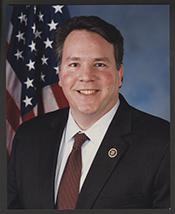
Sponsors and Cosponsors of HR 3627





Latest Bills
TRAPS Act
Bill HR 4936September 18, 2026
Apples to Apples Comparison Act of 2025
Bill HR 4093September 18, 2026
American Lending Fairness Act of 2026
Bill HR 7866September 18, 2026
Civil Investigative Demand Reform Act of 2025
Bill HR 1653September 18, 2026
American Reserve Modernization Act of 2026
Bill HR 8957September 18, 2026
Preventive Health Savings Act
Bill HR 4464September 18, 2026
PEARL Act
Bill HR 9327September 18, 2026
Medically Tailored Home-Delivered Meals Program Pilot Act
Bill HR 5439September 18, 2026
To designate the facility of the United States Postal Service located at 117 West Lovett Street in Charlotte, Michigan, as the "Francis C. Flaherty Post Office Building".
Bill HR 9570September 18, 2026
To designate the facility of the United States Postal Service located at 1019 Avenue H in Fort Madison, Iowa, as the "Martin L. Graber Post Office".
Bill HR 4707September 18, 2026
Beautifying Federal Civic Architecture Act of 2023
Bill S 1943December 7, 2023