0
0
0
To direct the Administrator of the Federal Aviation Administration to include medications and medical equipment for the emergency treatment of known or suspected opioid overdose in aircraft emergency medical kits, and for other purposes.
12/15/2023, 3:58 PM
Summary of Bill HR 3616
Bill 118 hr 3616, also known as the Opioid Overdose Prevention in Aviation Act, aims to address the growing opioid crisis by requiring the Federal Aviation Administration (FAA) to include medications and medical equipment for the emergency treatment of known or suspected opioid overdoses in aircraft emergency medical kits.
The bill mandates that the FAA update their regulations to ensure that all commercial aircraft are equipped with naloxone, a medication used to rapidly reverse the effects of opioid overdose, as well as other necessary medical supplies for treating opioid overdoses. This requirement is crucial in ensuring that passengers and crew members have access to life-saving treatment in the event of an opioid-related emergency while in the air.
In addition to requiring the inclusion of naloxone and other medical supplies in aircraft emergency medical kits, the bill also directs the FAA to provide training to flight attendants and other relevant personnel on how to administer naloxone and respond to opioid overdoses effectively. This training is essential in ensuring that airline staff are prepared to handle opioid-related emergencies and provide timely and appropriate care to passengers in need. Overall, the Opioid Overdose Prevention in Aviation Act is a crucial step towards addressing the opioid crisis and ensuring the safety and well-being of airline passengers and crew members. By requiring the inclusion of naloxone and other medical supplies in aircraft emergency medical kits, as well as providing training to airline staff, this bill has the potential to save lives and prevent tragic outcomes related to opioid overdoses in the aviation industry.
The bill mandates that the FAA update their regulations to ensure that all commercial aircraft are equipped with naloxone, a medication used to rapidly reverse the effects of opioid overdose, as well as other necessary medical supplies for treating opioid overdoses. This requirement is crucial in ensuring that passengers and crew members have access to life-saving treatment in the event of an opioid-related emergency while in the air.
In addition to requiring the inclusion of naloxone and other medical supplies in aircraft emergency medical kits, the bill also directs the FAA to provide training to flight attendants and other relevant personnel on how to administer naloxone and respond to opioid overdoses effectively. This training is essential in ensuring that airline staff are prepared to handle opioid-related emergencies and provide timely and appropriate care to passengers in need. Overall, the Opioid Overdose Prevention in Aviation Act is a crucial step towards addressing the opioid crisis and ensuring the safety and well-being of airline passengers and crew members. By requiring the inclusion of naloxone and other medical supplies in aircraft emergency medical kits, as well as providing training to airline staff, this bill has the potential to save lives and prevent tragic outcomes related to opioid overdoses in the aviation industry.
Congressional Summary of HR 3616
This bill directs the Federal Aviation Administration (FAA) to require that medications and medical equipment for the emergency treatment of a known or suspected opioid overdose be included in an aircraft emergency medical kit; the FAA must, to the maximum extent possible, follow the guidance of the Aerospace Medical Association.
In a 2019 guidance document to the FAA, the Aerospace Medical Association recommended including an opioid antagonist (e.g., naloxone or Narcan) in an aircraft emergency medical kit.
Read the Full Bill
Current Status of Bill HR 3616
Bill HR 3616 is currently in the status of Bill Introduced since May 23, 2023. Bill HR 3616 was introduced during Congress 118 and was introduced to the House on May 23, 2023. Bill HR 3616's most recent activity was Referred to the Subcommittee on Aviation. as of May 24, 2023
Bipartisan Support of Bill HR 3616
Total Number of Sponsors
1Democrat Sponsors
1Republican Sponsors
0Unaffiliated Sponsors
0Total Number of Cosponsors
36Democrat Cosponsors
30Republican Cosponsors
6Unaffiliated Cosponsors
0Policy Area and Potential Impact of Bill HR 3616
Primary Policy Focus
Transportation and Public WorksPotential Impact Areas
- Aviation and airports
- Drug therapy
- Drug, alcohol, tobacco use
- Emergency medical services and trauma care
- Health technology, devices, supplies
- Transportation employees
Alternate Title(s) of Bill HR 3616
To direct the Administrator of the Federal Aviation Administration to include medications and medical equipment for the emergency treatment of known or suspected opioid overdose in aircraft emergency medical kits, and for other purposes.
To direct the Administrator of the Federal Aviation Administration to include medications and medical equipment for the emergency treatment of known or suspected opioid overdose in aircraft emergency medical kits, and for other purposes.
Comments
Sponsors and Cosponsors of HR 3616
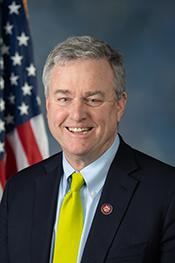
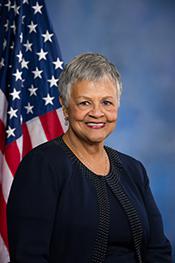


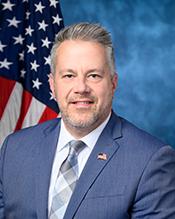

Latest Bills
TRAPS Act
Bill HR 4936September 18, 2026
Apples to Apples Comparison Act of 2025
Bill HR 4093September 18, 2026
American Lending Fairness Act of 2026
Bill HR 7866September 18, 2026
Civil Investigative Demand Reform Act of 2025
Bill HR 1653September 18, 2026
American Reserve Modernization Act of 2026
Bill HR 8957September 18, 2026
Preventive Health Savings Act
Bill HR 4464September 18, 2026
PEARL Act
Bill HR 9327September 18, 2026
Medically Tailored Home-Delivered Meals Program Pilot Act
Bill HR 5439September 18, 2026
To designate the facility of the United States Postal Service located at 117 West Lovett Street in Charlotte, Michigan, as the "Francis C. Flaherty Post Office Building".
Bill HR 9570September 18, 2026
To designate the facility of the United States Postal Service located at 1019 Avenue H in Fort Madison, Iowa, as the "Martin L. Graber Post Office".
Bill HR 4707September 18, 2026