0
0
0
Close the Double Subsidy Loophole for Electric Vehicles Act
12/15/2023, 3:53 PM
Summary of Bill HR 327
Bill 118 hr 327, also known as the Close the Double Subsidy Loophole for Electric Vehicles Act, aims to address a loophole in current legislation that allows some electric vehicle owners to receive double subsidies for their vehicles. The bill was introduced in the US Congress in an effort to ensure that electric vehicle subsidies are fair and equitable.
The bill specifically targets electric vehicle owners who receive both a federal tax credit and a state subsidy for their vehicle. Currently, some states offer their own subsidies for electric vehicles in addition to the federal tax credit, leading to some owners receiving double benefits. This has raised concerns about the fairness of the subsidy system and the potential for abuse.
If passed, the Close the Double Subsidy Loophole for Electric Vehicles Act would prohibit electric vehicle owners from receiving both a federal tax credit and a state subsidy for the same vehicle. Owners would have to choose one benefit or the other, but not both. This would help ensure that subsidies are distributed more fairly and efficiently, while also preventing double dipping by some electric vehicle owners. Supporters of the bill argue that it is necessary to close this loophole in order to promote transparency and accountability in the electric vehicle subsidy system. They believe that the current system is unfair to taxpayers and undermines the goal of incentivizing the adoption of electric vehicles. Opponents of the bill, however, argue that it could discourage some electric vehicle owners from taking advantage of available subsidies, ultimately slowing the transition to cleaner transportation options. They also raise concerns about the potential impact on state-level efforts to promote electric vehicle adoption. Overall, the Close the Double Subsidy Loophole for Electric Vehicles Act addresses a specific issue within the electric vehicle subsidy system and seeks to ensure that subsidies are distributed in a fair and efficient manner. The bill is currently under consideration in Congress, where it will be debated and potentially amended before a final vote is taken.
The bill specifically targets electric vehicle owners who receive both a federal tax credit and a state subsidy for their vehicle. Currently, some states offer their own subsidies for electric vehicles in addition to the federal tax credit, leading to some owners receiving double benefits. This has raised concerns about the fairness of the subsidy system and the potential for abuse.
If passed, the Close the Double Subsidy Loophole for Electric Vehicles Act would prohibit electric vehicle owners from receiving both a federal tax credit and a state subsidy for the same vehicle. Owners would have to choose one benefit or the other, but not both. This would help ensure that subsidies are distributed more fairly and efficiently, while also preventing double dipping by some electric vehicle owners. Supporters of the bill argue that it is necessary to close this loophole in order to promote transparency and accountability in the electric vehicle subsidy system. They believe that the current system is unfair to taxpayers and undermines the goal of incentivizing the adoption of electric vehicles. Opponents of the bill, however, argue that it could discourage some electric vehicle owners from taking advantage of available subsidies, ultimately slowing the transition to cleaner transportation options. They also raise concerns about the potential impact on state-level efforts to promote electric vehicle adoption. Overall, the Close the Double Subsidy Loophole for Electric Vehicles Act addresses a specific issue within the electric vehicle subsidy system and seeks to ensure that subsidies are distributed in a fair and efficient manner. The bill is currently under consideration in Congress, where it will be debated and potentially amended before a final vote is taken.
Congressional Summary of HR 327
Close the Double Subsidy Loophole for Electric Vehicles Act
This bill reduces the allowable amount of the tax credit for a new qualified plug-in electric drive motor vehicle by any subsidy made available by the state in which the vehicle is registered and was placed in service.
Read the Full Bill
Current Status of Bill HR 327
Bill HR 327 is currently in the status of Bill Introduced since January 12, 2023. Bill HR 327 was introduced during Congress 118 and was introduced to the House on January 12, 2023. Bill HR 327's most recent activity was Referred to the House Committee on Ways and Means. as of January 12, 2023
Bipartisan Support of Bill HR 327
Total Number of Sponsors
1Democrat Sponsors
0Republican Sponsors
1Unaffiliated Sponsors
0Total Number of Cosponsors
6Democrat Cosponsors
0Republican Cosponsors
6Unaffiliated Cosponsors
0Policy Area and Potential Impact of Bill HR 327
Primary Policy Focus
TaxationPotential Impact Areas
- Hybrid, electric, and advanced technology vehicles
- Motor vehicles
- Tax administration and collection, taxpayers
Alternate Title(s) of Bill HR 327
Close the Double Subsidy Loophole for Electric Vehicles Act
Close the Double Subsidy Loophole for Electric Vehicles Act
To amend the Internal Revenue Code of 1986 to reduce the tax credit for new qualified plug-in electric drive motor vehicles by State subsidies for these vehicles.
Comments
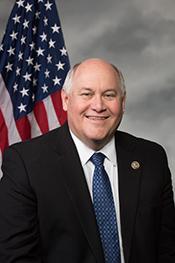
Sponsors and Cosponsors of HR 327



Latest Bills
TRAPS Act
Bill HR 4936September 18, 2026
Apples to Apples Comparison Act of 2025
Bill HR 4093September 18, 2026
American Lending Fairness Act of 2026
Bill HR 7866September 18, 2026
Civil Investigative Demand Reform Act of 2025
Bill HR 1653September 18, 2026
American Reserve Modernization Act of 2026
Bill HR 8957September 18, 2026
Preventive Health Savings Act
Bill HR 4464September 18, 2026
PEARL Act
Bill HR 9327September 18, 2026
Medically Tailored Home-Delivered Meals Program Pilot Act
Bill HR 5439September 18, 2026
To designate the facility of the United States Postal Service located at 117 West Lovett Street in Charlotte, Michigan, as the "Francis C. Flaherty Post Office Building".
Bill HR 9570September 18, 2026
To designate the facility of the United States Postal Service located at 1019 Avenue H in Fort Madison, Iowa, as the "Martin L. Graber Post Office".
Bill HR 4707September 18, 2026