0
0
0
Harmful Algal Bloom Essential Forecasting Act
1/11/2024, 8:26 PM
Summary of Bill HR 325
Bill 118 hr 325, also known as the Harmful Algal Bloom Essential Forecasting Act, is a piece of legislation introduced in the US Congress. The main purpose of this bill is to improve the forecasting and monitoring of harmful algal blooms (HABs) in bodies of water across the United States.
HABs are a natural phenomenon that occur when algae grow out of control and produce toxins that can harm humans, animals, and the environment. These blooms can have serious consequences for public health, the economy, and the ecosystem.
The Harmful Algal Bloom Essential Forecasting Act aims to address this issue by requiring the National Oceanic and Atmospheric Administration (NOAA) to develop and maintain a national harmful algal bloom forecasting system. This system would provide timely and accurate information on the location, extent, and potential impacts of HABs, allowing communities to better prepare for and respond to these events. Additionally, the bill would establish a task force to coordinate federal, state, tribal, and local efforts to address harmful algal blooms. This task force would be responsible for developing a national strategy to reduce the occurrence and impact of HABs, as well as promoting research and monitoring efforts to better understand and predict these events. Overall, the Harmful Algal Bloom Essential Forecasting Act seeks to improve the nation's ability to forecast, monitor, and mitigate the impacts of harmful algal blooms, ultimately protecting public health and the environment.
HABs are a natural phenomenon that occur when algae grow out of control and produce toxins that can harm humans, animals, and the environment. These blooms can have serious consequences for public health, the economy, and the ecosystem.
The Harmful Algal Bloom Essential Forecasting Act aims to address this issue by requiring the National Oceanic and Atmospheric Administration (NOAA) to develop and maintain a national harmful algal bloom forecasting system. This system would provide timely and accurate information on the location, extent, and potential impacts of HABs, allowing communities to better prepare for and respond to these events. Additionally, the bill would establish a task force to coordinate federal, state, tribal, and local efforts to address harmful algal blooms. This task force would be responsible for developing a national strategy to reduce the occurrence and impact of HABs, as well as promoting research and monitoring efforts to better understand and predict these events. Overall, the Harmful Algal Bloom Essential Forecasting Act seeks to improve the nation's ability to forecast, monitor, and mitigate the impacts of harmful algal blooms, ultimately protecting public health and the environment.
Current Status of Bill HR 325
Bill HR 325 is currently in the status of Bill Introduced since January 12, 2023. Bill HR 325 was introduced during Congress 118 and was introduced to the House on January 12, 2023. Bill HR 325's most recent activity was Referred to the Subcommittee on Water, Wildlife, and Fisheries. as of February 21, 2023
Bipartisan Support of Bill HR 325
Total Number of Sponsors
1Democrat Sponsors
0Republican Sponsors
1Unaffiliated Sponsors
0Total Number of Cosponsors
0Democrat Cosponsors
0Republican Cosponsors
0Unaffiliated Cosponsors
0Policy Area and Potential Impact of Bill HR 325
Primary Policy Focus
Environmental ProtectionComments
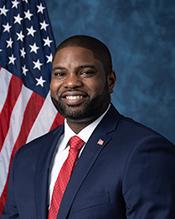
Sponsors and Cosponsors of HR 325
Latest Bills
TRAPS Act
Bill HR 4936September 18, 2026
Apples to Apples Comparison Act of 2025
Bill HR 4093September 18, 2026
American Lending Fairness Act of 2026
Bill HR 7866September 18, 2026
Civil Investigative Demand Reform Act of 2025
Bill HR 1653September 18, 2026
American Reserve Modernization Act of 2026
Bill HR 8957September 18, 2026
Preventive Health Savings Act
Bill HR 4464September 18, 2026
PEARL Act
Bill HR 9327September 18, 2026
Medically Tailored Home-Delivered Meals Program Pilot Act
Bill HR 5439September 18, 2026
To designate the facility of the United States Postal Service located at 117 West Lovett Street in Charlotte, Michigan, as the "Francis C. Flaherty Post Office Building".
Bill HR 9570September 18, 2026
To designate the facility of the United States Postal Service located at 1019 Avenue H in Fort Madison, Iowa, as the "Martin L. Graber Post Office".
Bill HR 4707September 18, 2026