0
0
0
Book Minimum Tax Repeal Act
12/15/2023, 3:57 PM
Summary of Bill HR 3210
Bill 118 HR 3210, also known as the Book Minimum Tax Repeal Act, is a piece of legislation currently being considered by the US Congress. The purpose of this bill is to repeal the book minimum tax, which is a provision in the tax code that requires certain corporations to pay a minimum tax based on their financial statement income.
The book minimum tax was originally implemented to ensure that corporations with high profits reported on their financial statements were paying a minimum amount of tax, regardless of any deductions or credits they may have been able to claim. However, critics of the provision argue that it is overly burdensome and complex, and can result in double taxation for some corporations.
If passed, the Book Minimum Tax Repeal Act would eliminate the book minimum tax requirement, providing relief to corporations that have been subject to this tax. Supporters of the bill argue that repealing the provision would simplify the tax code and make it easier for corporations to comply with their tax obligations. Opponents of the bill, on the other hand, argue that repealing the book minimum tax could result in reduced tax revenue for the government and could potentially benefit wealthy corporations at the expense of the general public. They also argue that the provision serves an important purpose in ensuring that corporations pay their fair share of taxes. Overall, the Book Minimum Tax Repeal Act is a controversial piece of legislation that has sparked debate among lawmakers and stakeholders. It remains to be seen whether the bill will ultimately be passed into law.
The book minimum tax was originally implemented to ensure that corporations with high profits reported on their financial statements were paying a minimum amount of tax, regardless of any deductions or credits they may have been able to claim. However, critics of the provision argue that it is overly burdensome and complex, and can result in double taxation for some corporations.
If passed, the Book Minimum Tax Repeal Act would eliminate the book minimum tax requirement, providing relief to corporations that have been subject to this tax. Supporters of the bill argue that repealing the provision would simplify the tax code and make it easier for corporations to comply with their tax obligations. Opponents of the bill, on the other hand, argue that repealing the book minimum tax could result in reduced tax revenue for the government and could potentially benefit wealthy corporations at the expense of the general public. They also argue that the provision serves an important purpose in ensuring that corporations pay their fair share of taxes. Overall, the Book Minimum Tax Repeal Act is a controversial piece of legislation that has sparked debate among lawmakers and stakeholders. It remains to be seen whether the bill will ultimately be passed into law.
Congressional Summary of HR 3210
Book Minimum Tax Repeal Act
This bill repeals the 15% alternative tax on the financial statement (i.e., book) income of certain corporations. The tax applies to companies that report over $1 billion in profits to their shareholders.
Read the Full Bill
Current Status of Bill HR 3210
Bill HR 3210 is currently in the status of Bill Introduced since May 11, 2023. Bill HR 3210 was introduced during Congress 118 and was introduced to the House on May 11, 2023. Bill HR 3210's most recent activity was Referred to the House Committee on Ways and Means. as of May 11, 2023
Bipartisan Support of Bill HR 3210
Total Number of Sponsors
1Democrat Sponsors
0Republican Sponsors
1Unaffiliated Sponsors
0Total Number of Cosponsors
0Democrat Cosponsors
0Republican Cosponsors
0Unaffiliated Cosponsors
0Policy Area and Potential Impact of Bill HR 3210
Primary Policy Focus
TaxationAlternate Title(s) of Bill HR 3210
Book Minimum Tax Repeal Act
Book Minimum Tax Repeal Act
To amend the Internal Revenue Code of 1986 to repeal the corporate alternative minimum tax.
Comments
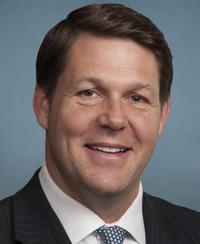
Sponsors and Cosponsors of HR 3210
Latest Bills
TRAPS Act
Bill HR 4936September 18, 2026
Apples to Apples Comparison Act of 2025
Bill HR 4093September 18, 2026
American Lending Fairness Act of 2026
Bill HR 7866September 18, 2026
Civil Investigative Demand Reform Act of 2025
Bill HR 1653September 18, 2026
American Reserve Modernization Act of 2026
Bill HR 8957September 18, 2026
Preventive Health Savings Act
Bill HR 4464September 18, 2026
PEARL Act
Bill HR 9327September 18, 2026
Medically Tailored Home-Delivered Meals Program Pilot Act
Bill HR 5439September 18, 2026
To designate the facility of the United States Postal Service located at 117 West Lovett Street in Charlotte, Michigan, as the "Francis C. Flaherty Post Office Building".
Bill HR 9570September 18, 2026
To designate the facility of the United States Postal Service located at 1019 Avenue H in Fort Madison, Iowa, as the "Martin L. Graber Post Office".
Bill HR 4707September 18, 2026
Book Minimum Tax Repeal Act
Bill S 1559December 15, 2023