0
0
0
BIDIRECTIONAL Act
1/15/2025, 6:51 PM
Summary of Bill HR 3180
The BIDIRECTIONAL Act, also known as Bill 118 hr 3180, is a piece of legislation currently being considered by the US Congress. The main goal of this bill is to promote the development and implementation of bidirectional charging infrastructure for electric vehicles.
Bidirectional charging allows electric vehicles to not only receive power from the grid but also to send power back to the grid. This technology has the potential to increase the flexibility and efficiency of the electric grid, as well as provide additional revenue streams for electric vehicle owners.
The BIDIRECTIONAL Act aims to incentivize the deployment of bidirectional charging infrastructure by providing grants to states, local governments, and private entities for the installation of this technology. The bill also directs the Department of Energy to conduct research and development on bidirectional charging technology and to establish technical standards for its implementation. Supporters of the BIDIRECTIONAL Act argue that it will help accelerate the adoption of electric vehicles and reduce greenhouse gas emissions. Critics, however, raise concerns about the cost of implementing bidirectional charging infrastructure and the potential impact on the stability of the electric grid. Overall, the BIDIRECTIONAL Act represents an important step towards modernizing the electric grid and promoting the widespread use of electric vehicles. Its passage would signal a commitment to sustainable transportation and energy practices in the United States.
Bidirectional charging allows electric vehicles to not only receive power from the grid but also to send power back to the grid. This technology has the potential to increase the flexibility and efficiency of the electric grid, as well as provide additional revenue streams for electric vehicle owners.
The BIDIRECTIONAL Act aims to incentivize the deployment of bidirectional charging infrastructure by providing grants to states, local governments, and private entities for the installation of this technology. The bill also directs the Department of Energy to conduct research and development on bidirectional charging technology and to establish technical standards for its implementation. Supporters of the BIDIRECTIONAL Act argue that it will help accelerate the adoption of electric vehicles and reduce greenhouse gas emissions. Critics, however, raise concerns about the cost of implementing bidirectional charging infrastructure and the potential impact on the stability of the electric grid. Overall, the BIDIRECTIONAL Act represents an important step towards modernizing the electric grid and promoting the widespread use of electric vehicles. Its passage would signal a commitment to sustainable transportation and energy practices in the United States.
Read the Full Bill
Current Status of Bill HR 3180
Bill HR 3180 is currently in the status of Bill Introduced since May 10, 2023. Bill HR 3180 was introduced during Congress 118 and was introduced to the House on May 10, 2023. Bill HR 3180's most recent activity was Referred to the Subcommittee on Energy, Climate and Grid Security. as of May 12, 2023
Bipartisan Support of Bill HR 3180
Total Number of Sponsors
1Democrat Sponsors
1Republican Sponsors
0Unaffiliated Sponsors
0Total Number of Cosponsors
1Democrat Cosponsors
1Republican Cosponsors
0Unaffiliated Cosponsors
0Policy Area and Potential Impact of Bill HR 3180
Primary Policy Focus
EnergyPotential Impact Areas
- Alternative and renewable resources
- Congressional oversight
- Educational facilities and institutions
- Electric power generation and transmission
- Energy efficiency and conservation
- Hybrid, electric, and advanced technology vehicles
- Motor carriers
Alternate Title(s) of Bill HR 3180
BIDIRECTIONAL Act
BIDIRECTIONAL Act
Bus Integration Dedicated to Improving Resilience, Eliminating Congestion, and Triggering Innovation Over Numerous Applications and Localities Act
To require the Secretary of Energy to establish a program to encourage deployment of electric school buses and vehicle-to-grid technologies and applications, and for other purposes.
Comments
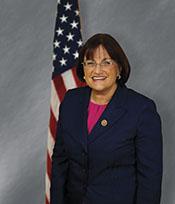
Sponsors and Cosponsors of HR 3180

Latest Bills
TRAPS Act
Bill HR 4936September 18, 2026
Apples to Apples Comparison Act of 2025
Bill HR 4093September 18, 2026
American Lending Fairness Act of 2026
Bill HR 7866September 18, 2026
Civil Investigative Demand Reform Act of 2025
Bill HR 1653September 18, 2026
American Reserve Modernization Act of 2026
Bill HR 8957September 18, 2026
Preventive Health Savings Act
Bill HR 4464September 18, 2026
PEARL Act
Bill HR 9327September 18, 2026
Medically Tailored Home-Delivered Meals Program Pilot Act
Bill HR 5439September 18, 2026
To designate the facility of the United States Postal Service located at 117 West Lovett Street in Charlotte, Michigan, as the "Francis C. Flaherty Post Office Building".
Bill HR 9570September 18, 2026
To designate the facility of the United States Postal Service located at 1019 Avenue H in Fort Madison, Iowa, as the "Martin L. Graber Post Office".
Bill HR 4707September 18, 2026
BIDIRECTIONAL Act
Bill S 1548February 16, 2024