0
0
0
No Taxpayer Funding for United Nations Green Climate Fund Act
12/15/2023, 3:57 PM
Summary of Bill HR 3053
Bill 118 hr 3053, also known as the No Taxpayer Funding for United Nations Green Climate Fund Act, is a piece of legislation introduced in the United States Congress. The purpose of this bill is to prohibit the use of taxpayer funds to contribute to the United Nations Green Climate Fund.
The United Nations Green Climate Fund is an international fund that provides financial assistance to developing countries to help them combat climate change and reduce greenhouse gas emissions. The fund was established as part of the United Nations Framework Convention on Climate Change.
The No Taxpayer Funding for United Nations Green Climate Fund Act aims to prevent the United States government from contributing any taxpayer dollars to this fund. Supporters of the bill argue that the United States should not be obligated to provide financial assistance to other countries for climate change mitigation efforts, especially when there are pressing domestic issues that need to be addressed. Opponents of the bill argue that climate change is a global issue that requires international cooperation and support. They believe that the United States should be a leader in the fight against climate change and should continue to contribute to the Green Climate Fund. Overall, the No Taxpayer Funding for United Nations Green Climate Fund Act is a controversial piece of legislation that highlights the ongoing debate over the United States' role in addressing climate change on the global stage.
The United Nations Green Climate Fund is an international fund that provides financial assistance to developing countries to help them combat climate change and reduce greenhouse gas emissions. The fund was established as part of the United Nations Framework Convention on Climate Change.
The No Taxpayer Funding for United Nations Green Climate Fund Act aims to prevent the United States government from contributing any taxpayer dollars to this fund. Supporters of the bill argue that the United States should not be obligated to provide financial assistance to other countries for climate change mitigation efforts, especially when there are pressing domestic issues that need to be addressed. Opponents of the bill argue that climate change is a global issue that requires international cooperation and support. They believe that the United States should be a leader in the fight against climate change and should continue to contribute to the Green Climate Fund. Overall, the No Taxpayer Funding for United Nations Green Climate Fund Act is a controversial piece of legislation that highlights the ongoing debate over the United States' role in addressing climate change on the global stage.
Current Status of Bill HR 3053
Bill HR 3053 is currently in the status of Bill Introduced since May 2, 2023. Bill HR 3053 was introduced during Congress 118 and was introduced to the House on May 2, 2023. Bill HR 3053's most recent activity was Referred to the House Committee on Foreign Affairs. as of May 2, 2023
Bipartisan Support of Bill HR 3053
Total Number of Sponsors
1Democrat Sponsors
0Republican Sponsors
1Unaffiliated Sponsors
0Total Number of Cosponsors
14Democrat Cosponsors
0Republican Cosponsors
14Unaffiliated Cosponsors
0Policy Area and Potential Impact of Bill HR 3053
Primary Policy Focus
International AffairsAlternate Title(s) of Bill HR 3053
No Taxpayer Funding for United Nations Green Climate Fund Act
No Taxpayer Funding for United Nations Green Climate Fund Act
To prohibit contributions to the United Nations Green Climate Fund, and for other purposes.
Comments
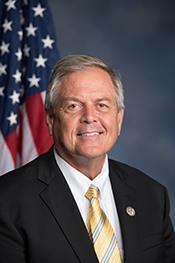
Sponsors and Cosponsors of HR 3053





Latest Bills
TRAPS Act
Bill HR 4936September 18, 2026
Apples to Apples Comparison Act of 2025
Bill HR 4093September 18, 2026
American Lending Fairness Act of 2026
Bill HR 7866September 18, 2026
Civil Investigative Demand Reform Act of 2025
Bill HR 1653September 18, 2026
American Reserve Modernization Act of 2026
Bill HR 8957September 18, 2026
Preventive Health Savings Act
Bill HR 4464September 18, 2026
PEARL Act
Bill HR 9327September 18, 2026
Medically Tailored Home-Delivered Meals Program Pilot Act
Bill HR 5439September 18, 2026
To designate the facility of the United States Postal Service located at 117 West Lovett Street in Charlotte, Michigan, as the "Francis C. Flaherty Post Office Building".
Bill HR 9570September 18, 2026
To designate the facility of the United States Postal Service located at 1019 Avenue H in Fort Madison, Iowa, as the "Martin L. Graber Post Office".
Bill HR 4707September 18, 2026