0
0
0
Tax-Free Pell Grant Act
12/12/2023, 8:15 AM
Summary of Bill HR 3000
Bill 118 HR 3000, also known as the Tax-Free Pell Grant Act, is a piece of legislation introduced in the US Congress. The main purpose of this bill is to make Pell Grants tax-free for recipients. Pell Grants are federal financial aid awarded to low-income undergraduate students to help cover the cost of their education.
Under current law, Pell Grants are considered taxable income, which means that recipients must report the grant on their tax returns and may be required to pay taxes on the amount received. The Tax-Free Pell Grant Act seeks to change this by exempting Pell Grants from federal income tax.
Proponents of the bill argue that making Pell Grants tax-free will help alleviate the financial burden on low-income students and make higher education more accessible. They believe that taxing Pell Grants contradicts the original intent of the program, which is to provide financial assistance to those who need it most. Opponents of the bill may argue that making Pell Grants tax-free could have implications for the federal budget and may lead to decreased funding for other programs. They may also raise concerns about the potential for abuse or misuse of tax-free grants. Overall, the Tax-Free Pell Grant Act aims to support low-income students in pursuing higher education by removing the tax burden associated with Pell Grants. The bill is currently being considered by Congress and its outcome will have significant implications for students receiving financial aid.
Under current law, Pell Grants are considered taxable income, which means that recipients must report the grant on their tax returns and may be required to pay taxes on the amount received. The Tax-Free Pell Grant Act seeks to change this by exempting Pell Grants from federal income tax.
Proponents of the bill argue that making Pell Grants tax-free will help alleviate the financial burden on low-income students and make higher education more accessible. They believe that taxing Pell Grants contradicts the original intent of the program, which is to provide financial assistance to those who need it most. Opponents of the bill may argue that making Pell Grants tax-free could have implications for the federal budget and may lead to decreased funding for other programs. They may also raise concerns about the potential for abuse or misuse of tax-free grants. Overall, the Tax-Free Pell Grant Act aims to support low-income students in pursuing higher education by removing the tax burden associated with Pell Grants. The bill is currently being considered by Congress and its outcome will have significant implications for students receiving financial aid.
Congressional Summary of HR 3000
Tax-Free Pell Grant Act
This bill excludes from gross income, for income tax purposes, any amount received as a federal Pell Grant. It also expands the definition of qualified tuition and related expenses under the American Opportunity and Lifetime Learning tax credit to include computer or peripheral equipment (up to a maximum of $1,000), child and dependent care expenses, and course materials.Read the Full Bill
Current Status of Bill HR 3000
Bill HR 3000 is currently in the status of Bill Introduced since April 28, 2023. Bill HR 3000 was introduced during Congress 118 and was introduced to the House on April 28, 2023. Bill HR 3000's most recent activity was Referred to the House Committee on Ways and Means. as of April 28, 2023
Bipartisan Support of Bill HR 3000
Total Number of Sponsors
1Democrat Sponsors
1Republican Sponsors
0Unaffiliated Sponsors
0Total Number of Cosponsors
0Democrat Cosponsors
0Republican Cosponsors
0Unaffiliated Cosponsors
0Policy Area and Potential Impact of Bill HR 3000
Primary Policy Focus
TaxationAlternate Title(s) of Bill HR 3000
Tax-Free Pell Grant Act
Tax-Free Pell Grant Act
To amend the Internal Revenue Code of 1986 to expand the exclusion of Pell Grants from gross income, and for other purposes.
Comments
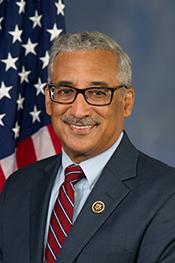
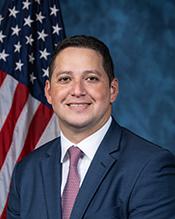
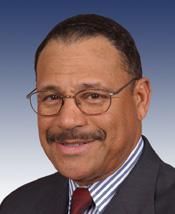
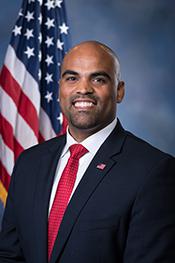
Sponsors and Cosponsors of HR 3000

Latest Bills
TRAPS Act
Bill HR 4936September 18, 2026
Apples to Apples Comparison Act of 2025
Bill HR 4093September 18, 2026
American Lending Fairness Act of 2026
Bill HR 7866September 18, 2026
Civil Investigative Demand Reform Act of 2025
Bill HR 1653September 18, 2026
American Reserve Modernization Act of 2026
Bill HR 8957September 18, 2026
Preventive Health Savings Act
Bill HR 4464September 18, 2026
PEARL Act
Bill HR 9327September 18, 2026
Medically Tailored Home-Delivered Meals Program Pilot Act
Bill HR 5439September 18, 2026
To designate the facility of the United States Postal Service located at 117 West Lovett Street in Charlotte, Michigan, as the "Francis C. Flaherty Post Office Building".
Bill HR 9570September 18, 2026
To designate the facility of the United States Postal Service located at 1019 Avenue H in Fort Madison, Iowa, as the "Martin L. Graber Post Office".
Bill HR 4707September 18, 2026