0
0
0
Border Patrol Pay Parity Act
12/15/2023, 3:57 PM
Summary of Bill HR 2837
Bill 118 hr 2837, also known as the Border Patrol Pay Parity Act, is a piece of legislation currently being considered by the US Congress. The purpose of this bill is to address the issue of pay disparities between Border Patrol agents and other federal law enforcement officers.
The bill seeks to ensure that Border Patrol agents are paid at a rate that is comparable to other federal law enforcement officers, such as those in the FBI or DEA. This is important because Border Patrol agents play a crucial role in protecting our nation's borders and ensuring the safety and security of our country.
If passed, the Border Patrol Pay Parity Act would require the Department of Homeland Security to conduct a study to determine the appropriate pay scale for Border Patrol agents. This study would take into account factors such as job responsibilities, qualifications, and the level of danger faced by Border Patrol agents in the course of their duties. Overall, the Border Patrol Pay Parity Act aims to ensure that Border Patrol agents are fairly compensated for their important work and that they are on par with other federal law enforcement officers. This bill is currently in the early stages of the legislative process and will need to be debated and voted on by both the House of Representatives and the Senate before it can become law.
The bill seeks to ensure that Border Patrol agents are paid at a rate that is comparable to other federal law enforcement officers, such as those in the FBI or DEA. This is important because Border Patrol agents play a crucial role in protecting our nation's borders and ensuring the safety and security of our country.
If passed, the Border Patrol Pay Parity Act would require the Department of Homeland Security to conduct a study to determine the appropriate pay scale for Border Patrol agents. This study would take into account factors such as job responsibilities, qualifications, and the level of danger faced by Border Patrol agents in the course of their duties. Overall, the Border Patrol Pay Parity Act aims to ensure that Border Patrol agents are fairly compensated for their important work and that they are on par with other federal law enforcement officers. This bill is currently in the early stages of the legislative process and will need to be debated and voted on by both the House of Representatives and the Senate before it can become law.
Read the Full Bill
Current Status of Bill HR 2837
Bill HR 2837 is currently in the status of Bill Introduced since April 25, 2023. Bill HR 2837 was introduced during Congress 118 and was introduced to the House on April 25, 2023. Bill HR 2837's most recent activity was Referred to the House Committee on Oversight and Accountability. as of April 25, 2023
Bipartisan Support of Bill HR 2837
Total Number of Sponsors
1Democrat Sponsors
0Republican Sponsors
1Unaffiliated Sponsors
0Total Number of Cosponsors
6Democrat Cosponsors
0Republican Cosponsors
6Unaffiliated Cosponsors
0Policy Area and Potential Impact of Bill HR 2837
Primary Policy Focus
Government Operations and PoliticsAlternate Title(s) of Bill HR 2837
Border Patrol Pay Parity Act
Border Patrol Pay Parity Act
To provide for higher minimum pay for certain U.S. Border Patrol agents, and for other purposes.
Comments
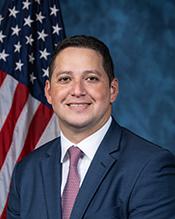
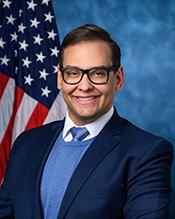
Sponsors and Cosponsors of HR 2837


Latest Bills
TRAPS Act
Bill HR 4936September 18, 2026
Apples to Apples Comparison Act of 2025
Bill HR 4093September 18, 2026
American Lending Fairness Act of 2026
Bill HR 7866September 18, 2026
Civil Investigative Demand Reform Act of 2025
Bill HR 1653September 18, 2026
American Reserve Modernization Act of 2026
Bill HR 8957September 18, 2026
Preventive Health Savings Act
Bill HR 4464September 18, 2026
PEARL Act
Bill HR 9327September 18, 2026
Medically Tailored Home-Delivered Meals Program Pilot Act
Bill HR 5439September 18, 2026
To designate the facility of the United States Postal Service located at 117 West Lovett Street in Charlotte, Michigan, as the "Francis C. Flaherty Post Office Building".
Bill HR 9570September 18, 2026
To designate the facility of the United States Postal Service located at 1019 Avenue H in Fort Madison, Iowa, as the "Martin L. Graber Post Office".
Bill HR 4707September 18, 2026
Border Patrol Enhancement Act
Bill S 1444January 3, 2025
DIGNIDAD (Dignity) Act of 2023
Bill HR 3599January 4, 2025