0
0
0
To repeal the corporate average fuel economy standards.
12/15/2023, 3:57 PM
Summary of Bill HR 2779
Bill 118 hr 2779, also known as the Corporate Average Fuel Economy (CAFE) Standards Repeal Act, aims to eliminate the current regulations that require automakers to meet specific fuel efficiency standards for their vehicles. These standards were put in place to reduce greenhouse gas emissions and decrease the United States' dependence on foreign oil.
If this bill were to pass, it would effectively remove the requirement for car manufacturers to produce vehicles that meet certain fuel efficiency levels. This could potentially lead to an increase in gas consumption and air pollution, as vehicles would not be required to be as fuel-efficient.
Proponents of the bill argue that repealing the CAFE standards would give automakers more flexibility in designing and producing vehicles, potentially leading to lower costs for consumers. They also argue that the current standards are too stringent and place an unnecessary burden on the auto industry. Opponents of the bill, however, argue that repealing the CAFE standards would be a step backward in the fight against climate change and air pollution. They believe that maintaining and even increasing fuel efficiency standards is crucial for reducing greenhouse gas emissions and protecting the environment. Overall, the passage of Bill 118 hr 2779 would have significant implications for the auto industry, the environment, and consumers. It is important for lawmakers to carefully consider the potential consequences of repealing the CAFE standards before making a decision on this bill.
If this bill were to pass, it would effectively remove the requirement for car manufacturers to produce vehicles that meet certain fuel efficiency levels. This could potentially lead to an increase in gas consumption and air pollution, as vehicles would not be required to be as fuel-efficient.
Proponents of the bill argue that repealing the CAFE standards would give automakers more flexibility in designing and producing vehicles, potentially leading to lower costs for consumers. They also argue that the current standards are too stringent and place an unnecessary burden on the auto industry. Opponents of the bill, however, argue that repealing the CAFE standards would be a step backward in the fight against climate change and air pollution. They believe that maintaining and even increasing fuel efficiency standards is crucial for reducing greenhouse gas emissions and protecting the environment. Overall, the passage of Bill 118 hr 2779 would have significant implications for the auto industry, the environment, and consumers. It is important for lawmakers to carefully consider the potential consequences of repealing the CAFE standards before making a decision on this bill.
Congressional Summary of HR 2779
This bill repeals the corporate average fuel economy standards, which regulate how far automobiles must travel on a gallon of fuel.
Current Status of Bill HR 2779
Bill HR 2779 is currently in the status of Bill Introduced since April 20, 2023. Bill HR 2779 was introduced during Congress 118 and was introduced to the House on April 20, 2023. Bill HR 2779's most recent activity was Referred to the House Committee on Energy and Commerce. as of April 20, 2023
Bipartisan Support of Bill HR 2779
Total Number of Sponsors
1Democrat Sponsors
0Republican Sponsors
1Unaffiliated Sponsors
0Total Number of Cosponsors
0Democrat Cosponsors
0Republican Cosponsors
0Unaffiliated Cosponsors
0Policy Area and Potential Impact of Bill HR 2779
Primary Policy Focus
EnergyAlternate Title(s) of Bill HR 2779
To repeal the corporate average fuel economy standards.
To repeal the corporate average fuel economy standards.
Comments
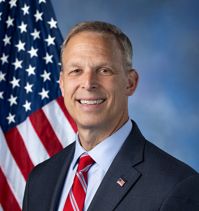
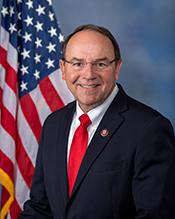
Sponsors and Cosponsors of HR 2779

Latest Bills
TRAPS Act
Bill HR 4936September 18, 2026
Apples to Apples Comparison Act of 2025
Bill HR 4093September 18, 2026
American Lending Fairness Act of 2026
Bill HR 7866September 18, 2026
Civil Investigative Demand Reform Act of 2025
Bill HR 1653September 18, 2026
American Reserve Modernization Act of 2026
Bill HR 8957September 18, 2026
Preventive Health Savings Act
Bill HR 4464September 18, 2026
PEARL Act
Bill HR 9327September 18, 2026
Medically Tailored Home-Delivered Meals Program Pilot Act
Bill HR 5439September 18, 2026
To designate the facility of the United States Postal Service located at 117 West Lovett Street in Charlotte, Michigan, as the "Francis C. Flaherty Post Office Building".
Bill HR 9570September 18, 2026
To designate the facility of the United States Postal Service located at 1019 Avenue H in Fort Madison, Iowa, as the "Martin L. Graber Post Office".
Bill HR 4707September 18, 2026