0
0
0
Leo’s Law
12/15/2023, 3:55 PM
Summary of Bill HR 1805
Bill 118 hr 1805, also known as Leo's Law, is a piece of legislation currently being considered by the US Congress. The bill is named after Leo, a young boy who tragically lost his life due to a preventable medical error. Leo's Law aims to improve patient safety and prevent medical errors by implementing several key provisions.
One of the main components of Leo's Law is the establishment of a national database for reporting and tracking medical errors. This database would allow healthcare providers to learn from past mistakes and implement measures to prevent similar errors in the future. Additionally, the bill calls for increased transparency in healthcare facilities, requiring them to disclose information about their safety records to patients and the public.
Leo's Law also includes provisions to improve communication between healthcare providers and patients. The bill encourages the use of electronic health records to ensure that important medical information is easily accessible to all members of a patient's care team. It also promotes the use of patient advocates to help individuals navigate the healthcare system and advocate for their own safety. Overall, Leo's Law is a comprehensive piece of legislation that seeks to address the issue of medical errors and improve patient safety in the United States. If passed, this bill has the potential to save lives and prevent unnecessary harm to patients.
One of the main components of Leo's Law is the establishment of a national database for reporting and tracking medical errors. This database would allow healthcare providers to learn from past mistakes and implement measures to prevent similar errors in the future. Additionally, the bill calls for increased transparency in healthcare facilities, requiring them to disclose information about their safety records to patients and the public.
Leo's Law also includes provisions to improve communication between healthcare providers and patients. The bill encourages the use of electronic health records to ensure that important medical information is easily accessible to all members of a patient's care team. It also promotes the use of patient advocates to help individuals navigate the healthcare system and advocate for their own safety. Overall, Leo's Law is a comprehensive piece of legislation that seeks to address the issue of medical errors and improve patient safety in the United States. If passed, this bill has the potential to save lives and prevent unnecessary harm to patients.
Congressional Summary of HR 1805
Leo's Law
This bill extends by 180 days the relevant periods of market exclusivity for drugs for rare diseases or conditions (i.e., orphan drugs) for which applications were submitted during the COVID-19 emergency period.
Read the Full Bill
Current Status of Bill HR 1805
Bill HR 1805 is currently in the status of Bill Introduced since March 27, 2023. Bill HR 1805 was introduced during Congress 118 and was introduced to the House on March 27, 2023. Bill HR 1805's most recent activity was Referred to the Subcommittee on Health. as of April 7, 2023
Bipartisan Support of Bill HR 1805
Total Number of Sponsors
1Democrat Sponsors
1Republican Sponsors
0Unaffiliated Sponsors
0Total Number of Cosponsors
4Democrat Cosponsors
2Republican Cosponsors
2Unaffiliated Cosponsors
0Policy Area and Potential Impact of Bill HR 1805
Primary Policy Focus
HealthAlternate Title(s) of Bill HR 1805
Leo’s Law
Leo’s Law
To mitigate the effects of the COVID-19 pandemic on incentives under the Federal Food, Drug, and Cosmetic Act for the development of orphan drugs, and for other purposes.
Comments
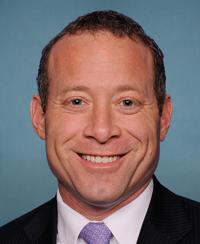
Sponsors and Cosponsors of HR 1805


Latest Bills
TRAPS Act
Bill HR 4936September 18, 2026
Apples to Apples Comparison Act of 2025
Bill HR 4093September 18, 2026
American Lending Fairness Act of 2026
Bill HR 7866September 18, 2026
Civil Investigative Demand Reform Act of 2025
Bill HR 1653September 18, 2026
American Reserve Modernization Act of 2026
Bill HR 8957September 18, 2026
Preventive Health Savings Act
Bill HR 4464September 18, 2026
PEARL Act
Bill HR 9327September 18, 2026
Medically Tailored Home-Delivered Meals Program Pilot Act
Bill HR 5439September 18, 2026
To designate the facility of the United States Postal Service located at 117 West Lovett Street in Charlotte, Michigan, as the "Francis C. Flaherty Post Office Building".
Bill HR 9570September 18, 2026
To designate the facility of the United States Postal Service located at 1019 Avenue H in Fort Madison, Iowa, as the "Martin L. Graber Post Office".
Bill HR 4707September 18, 2026