0
0
0
Accountability for Government Censorship Act
12/15/2023, 3:54 PM
Summary of Bill HR 1162
Bill 118 hr 1162, also known as the Accountability for Government Censorship Act, aims to address concerns regarding government censorship of information and communication. The bill seeks to hold government agencies accountable for any actions that restrict or suppress the free flow of information to the public.
The key provisions of the bill include requiring government agencies to report any instances of censorship or suppression of information to Congress within 30 days of the incident occurring. This reporting requirement is intended to increase transparency and ensure that any instances of censorship are brought to light and addressed promptly.
Additionally, the bill establishes a process for individuals or organizations to file complaints with the Government Accountability Office (GAO) if they believe they have been subject to government censorship. The GAO will then investigate the complaint and report its findings to Congress. Furthermore, the bill prohibits government agencies from retaliating against individuals or organizations that report instances of censorship or suppression of information. This provision is designed to protect whistleblowers and ensure that they can come forward without fear of reprisal. Overall, the Accountability for Government Censorship Act seeks to promote transparency and accountability within government agencies and protect the free flow of information to the public. By requiring reporting of censorship incidents, establishing a complaint process, and prohibiting retaliation against whistleblowers, the bill aims to safeguard the public's right to access information and hold government agencies accountable for any attempts to suppress it.
The key provisions of the bill include requiring government agencies to report any instances of censorship or suppression of information to Congress within 30 days of the incident occurring. This reporting requirement is intended to increase transparency and ensure that any instances of censorship are brought to light and addressed promptly.
Additionally, the bill establishes a process for individuals or organizations to file complaints with the Government Accountability Office (GAO) if they believe they have been subject to government censorship. The GAO will then investigate the complaint and report its findings to Congress. Furthermore, the bill prohibits government agencies from retaliating against individuals or organizations that report instances of censorship or suppression of information. This provision is designed to protect whistleblowers and ensure that they can come forward without fear of reprisal. Overall, the Accountability for Government Censorship Act seeks to promote transparency and accountability within government agencies and protect the free flow of information to the public. By requiring reporting of censorship incidents, establishing a complaint process, and prohibiting retaliation against whistleblowers, the bill aims to safeguard the public's right to access information and hold government agencies accountable for any attempts to suppress it.
Congressional Summary of HR 1162
Accountability for Government Censorship Act
This bill requires federal agencies to report any actions taken to suppress lawful speech on privately owned or operated platforms, including interactive computer services (e.g., social media).
Agencies must report actions taken within the last five years to (1) remove or suppress lawful speech, (2) add disclaimers, information, or other alerts to lawful speech; or (3) remove or restrict access to a platform. Agencies must include specified details about these actions, including the names of the employees involved and the legal authority for taking the action.
Current Status of Bill HR 1162
Bill HR 1162 is currently in the status of Bill Introduced since February 24, 2023. Bill HR 1162 was introduced during Congress 118 and was introduced to the House on February 24, 2023. Bill HR 1162's most recent activity was Ordered to be Reported in the Nature of a Substitute (Amended) by the Yeas and Nays: 24 - 20. as of February 28, 2023
Bipartisan Support of Bill HR 1162
Total Number of Sponsors
1Democrat Sponsors
0Republican Sponsors
1Unaffiliated Sponsors
0Total Number of Cosponsors
0Democrat Cosponsors
0Republican Cosponsors
0Unaffiliated Cosponsors
0Policy Area and Potential Impact of Bill HR 1162
Primary Policy Focus
Government Operations and PoliticsPotential Impact Areas
- Congressional oversight
- Federal officials
- First Amendment rights
- Government employee pay, benefits, personnel management
- Government information and archives
- Government studies and investigations
Comments
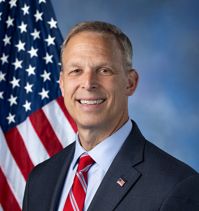
Sponsors and Cosponsors of HR 1162
Latest Bills
TRAPS Act
Bill HR 4936September 18, 2026
Apples to Apples Comparison Act of 2025
Bill HR 4093September 18, 2026
American Lending Fairness Act of 2026
Bill HR 7866September 18, 2026
Civil Investigative Demand Reform Act of 2025
Bill HR 1653September 18, 2026
American Reserve Modernization Act of 2026
Bill HR 8957September 18, 2026
Preventive Health Savings Act
Bill HR 4464September 18, 2026
PEARL Act
Bill HR 9327September 18, 2026
Medically Tailored Home-Delivered Meals Program Pilot Act
Bill HR 5439September 18, 2026
To designate the facility of the United States Postal Service located at 117 West Lovett Street in Charlotte, Michigan, as the "Francis C. Flaherty Post Office Building".
Bill HR 9570September 18, 2026
To designate the facility of the United States Postal Service located at 1019 Avenue H in Fort Madison, Iowa, as the "Martin L. Graber Post Office".
Bill HR 4707September 18, 2026